📚 Table of Contents
- Introduction: Work Has Quietly Changed for Good
- What Remote Consulting Careers Really Mean Today
- Areas Where Remote Consulting Is Thriving
- Why Remote Consulting Careers Are Growing So Fast
- Digital Tools Changed Everything
- Companies Want Expertise Without Boundaries
- It’s More Cost-Effective Than Traditional Hiring
- Professionals Want Freedom More Than Ever
- Common Types of Remote Consulting Careers You’ll See in Practice
- Business Strategy Consulting
- IT and Technology Consulting
- Marketing and Brand Consulting
- HR and People Strategy Consulting
- Financial Consulting
- Skills That Actually Matter in Remote Consulting Careers
- Clear Communication Over Everything Else
- Strong Analytical Thinking
- Comfort With Digital Platforms
- Time Discipline
- Depth in Your Niche
- How People Actually Start Remote Consulting Careers
- Finding Your Focus Area
- Building a Professional Presence Online
- Creating Proof of Work
- Connecting With the Right People
- Starting Small and Growing Gradually
- A Simple Real-Life Scenario
- Challenges You Can’t Ignore
- Getting the First Clients
- Communication Across Time Zones
- Staying Self-Motivated
- Competition in a Global Market
- Where Remote Consulting Careers Are Headed
- Why This Career Path Keeps Attracting People
- FAQs About Remote Consulting Careers
- 1. What exactly does a remote consulting career involve?
- 2. Can beginners start remote consulting careers?
- 3. Which industries rely most on remote consultants?
- 4. How do consultants usually find work online?
- 5. Is remote consulting a stable long-term option?
- Conclusion: A Career Model That Fits the Modern World
The Rise of Remote Consulting Careers
Introduction: Work Has Quietly Changed for Good
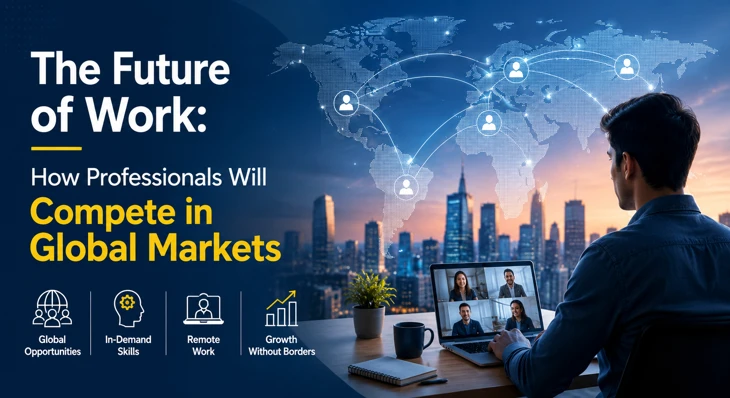
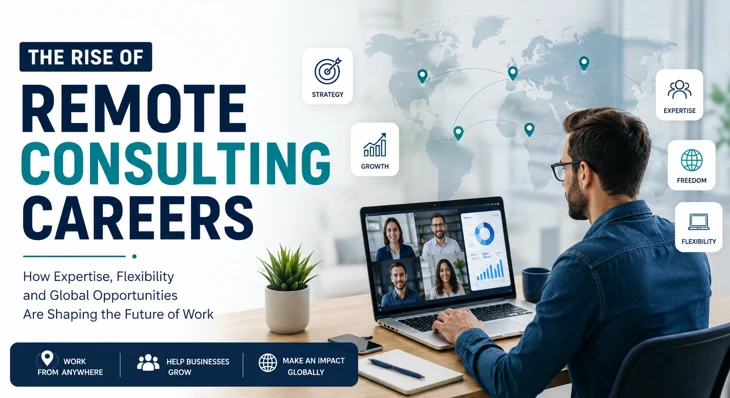
Something has shifted in the way people think about work. It didn’t happen overnight, but the signs are everywhere. Teams are spread across countries, meetings happen on screens, and expertise is no longer tied to a single office building. This is where remote consulting careers have stepped into the spotlight. What used to be a role defined by travel, client offices, and fixed desks has now become something far more flexible. Professionals are offering high-level consulting services from home setups, shared workspaces, and sometimes even while moving between cities. Businesses are embracing it too, because access to skilled consultants is no longer limited by geography. The result is a work model that feels lighter, faster, and more global than anything we’ve seen before.What Remote Consulting Careers Really Mean Today
At its core, a remote consulting career is about solving problems for clients without being physically present in their office. The consultant brings expertise, structure, and direction, while everything happens through digital communication. But in practice, it’s much more dynamic than that. A consultant might be reviewing a company’s marketing strategy in the morning, joining a video call with a finance team in the afternoon, and sending a detailed report by evening. Everything runs through tools like video conferencing platforms, shared documents, and cloud systems.Areas Where Remote Consulting Is Thriving
Remote consulting careers are not limited to one type of expertise. In fact, the range is surprisingly wide:- Business and growth strategy
- Digital marketing and SEO planning
- IT systems and cloud solutions
- HR and recruitment strategy
- Financial planning and forecasting
- Operations and project execution
Why Remote Consulting Careers Are Growing So Fast
There’s a reason this career path is gaining serious momentum. It’s not just about convenience—it’s about how modern business actually works now.Digital Tools Changed Everything
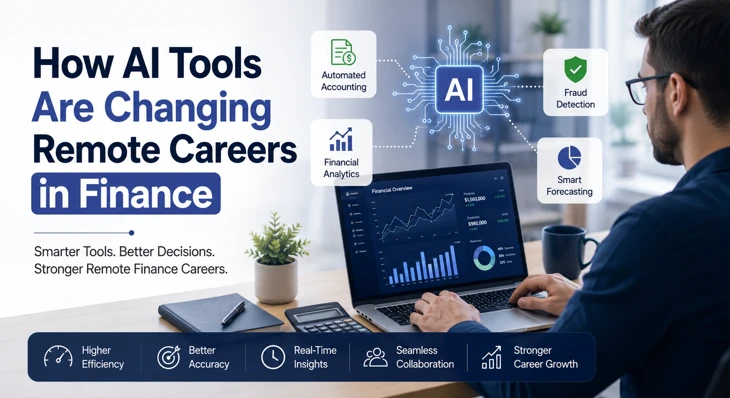
Companies now rely heavily on digital systems. From automation tools to AI-powered dashboards, decision-making has become more data-driven. But most businesses still need expert interpretation of that data. That’s where remote consultants come in.Companies Want Expertise Without Boundaries
Hiring locally used to be the default. That mindset is fading quickly. Today, organizations prefer working with specialists, even if they are located thousands of kilometers away.It’s More Cost-Effective Than Traditional Hiring
Full-time senior experts can be expensive. Remote consulting gives companies access to high-level skills without long-term overhead costs. They pay for results, not office presence.Professionals Want Freedom More Than Ever
On the other side, consultants themselves are rethinking priorities. Flexibility, independence, and control over time have become just as important as salary. Remote consulting offers that balance.Common Types of Remote Consulting Careers You’ll See in Practice
Not all consulting roles look the same. Some are deeply technical, while others focus on strategy and communication.Business Strategy Consulting
These consultants work closely with leadership teams. They help companies figure out direction, solve operational challenges, and identify growth opportunities. A typical project might involve restructuring a business model or entering a new market.IT and Technology Consulting
As businesses move to cloud systems and digital platforms, IT consultants are in constant demand. They help with system setup, cybersecurity planning, software integration, and technical troubleshooting.Marketing and Brand Consulting
This is one of the fastest-growing areas. Consultants in this space work on SEO strategies, content direction, paid advertising, and overall brand positioning. Many small businesses rely heavily on remote marketing consultants.HR and People Strategy Consulting
Hiring, retention, and workplace culture are complex issues. HR consultants help companies improve recruitment systems, employee engagement, and internal processes without needing to be on-site.Financial Consulting
From budgeting to forecasting, financial consultants support smarter money decisions. Many small and mid-sized companies prefer remote financial experts for ongoing advisory work.Skills That Actually Matter in Remote Consulting Careers
Success in remote consulting is not just about knowing your field. It’s also about how you deliver that knowledge in a digital-first environment.Clear Communication Over Everything Else
When you’re not in the same room as your client, clarity becomes everything. Good consultants explain ideas in a way that feels simple, structured, and easy to act on.Strong Analytical Thinking
Clients expect solutions, not just opinions. The ability to break down problems and build practical strategies is what separates average consultants from great ones.Comfort With Digital Platforms
Remote work runs on tools. Whether it’s Zoom for meetings, Slack for communication, or project tools like Asana, familiarity with digital systems is essential.Time Discipline
Working remotely sounds flexible, and it is—but without structure, things can easily slip. Managing deadlines and multiple clients requires real discipline.Depth in Your Niche
The more specific your expertise, the more valuable you become. General knowledge helps, but deep specialization builds trust.How People Actually Start Remote Consulting Careers
Most people don’t begin as consultants overnight. It usually evolves from experience, freelancing, or industry work.Finding Your Focus Area
The first step is identifying what you’re genuinely good at. It could be marketing, operations, finance, or technology. A clear niche makes it easier to attract the right clients.Building a Professional Presence Online
Platforms like LinkedIn often become the first portfolio for consultants. Sharing insights, results, and case studies helps build credibility over time.Creating Proof of Work
Even if you’re starting out, small projects, freelance work, or sample case studies can demonstrate your thinking process.Connecting With the Right People
Networking plays a big role here. Many consulting opportunities come through conversations, referrals, and online communities.Starting Small and Growing Gradually
Most consultants begin with small projects before moving to long-term contracts. Experience builds trust, and trust builds income.A Simple Real-Life Scenario
Imagine a marketing professional who used to work in a traditional agency setup. Their day involved commuting, long office hours, and tightly scheduled meetings. After shifting into remote consulting, their workflow changed completely. Now, they work with clients in different countries, manage campaigns from a laptop, and handle meetings across time zones. Interestingly, the work feels more focused. Less time is spent on logistics, and more time goes into actual strategy and execution. Their income becomes less tied to location and more tied to value delivered. This is no longer a rare story—it’s becoming common.Challenges You Can’t Ignore
Remote consulting is flexible, but it’s not effortless.Getting the First Clients
Early stages can feel slow. Building trust takes time, and consistency matters more than quick wins.Communication Across Time Zones
Working globally means adjusting schedules and sometimes dealing with delays in responses or feedback loops.Staying Self-Motivated
Without a physical office environment, distractions can creep in. Self-management becomes a core skill.Competition in a Global Market
You’re no longer competing locally. The entire world becomes your talent pool—and your competition.Where Remote Consulting Careers Are Headed
The direction is clear. Businesses are becoming more digital, and decision-making is becoming more data-driven. That combination naturally increases demand for consultants who can work remotely and deliver expertise quickly. New technologies like AI, automation, and advanced analytics will also create new consulting roles that didn’t exist a few years ago. Specialized expertise will matter more than ever.Why This Career Path Keeps Attracting People
There’s a reason remote consulting careers continue to grow.- You can work from almost anywhere
- Clients are no longer limited by location
- Earnings are tied to skill, not geography
- Work schedules become more flexible
- Expertise becomes your strongest asset