Why Mental Health Careers Are Rapidly Going Remote
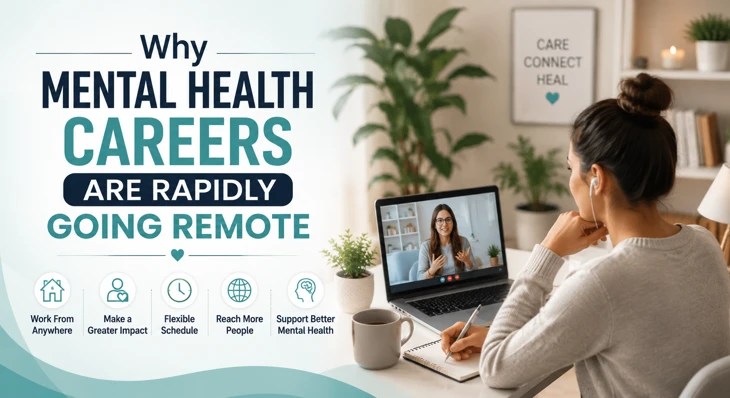
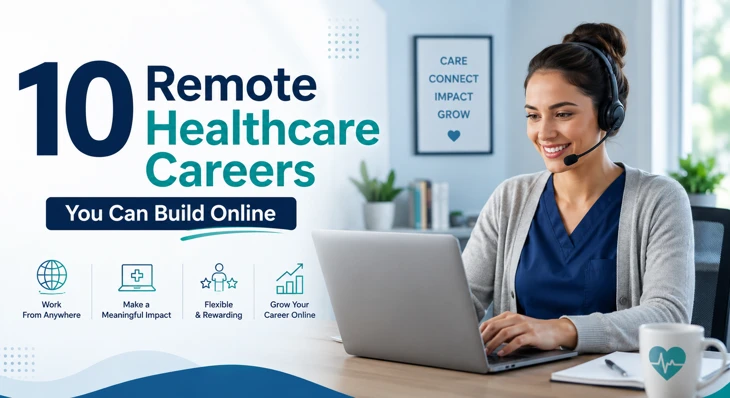
The way mental health services are delivered is changing faster than most people expected. Not long ago, therapy sessions were almost always tied to physical clinics, hospitals, or private offices. Today, however, a growing number of professionals are choosing remote mental health careers that allow them to work from home, connect with clients online, and build flexible practices without being restricted by location.
This shift is not just a technology-driven trend—it reflects a deeper change in how people think about care, accessibility, and work-life balance. As demand for emotional support continues to rise, remote mental health jobs are becoming one of the fastest-growing areas in healthcare employment.
A New Era of Mental Health Care Delivery
The rise of virtual care has completely reshaped expectations in the healthcare space. Clients are no longer limited to therapists in their immediate area. With just a stable internet connection, they can now access licensed professionals from almost anywhere.
This has led to a surge in interest in teletherapy careers and online counseling jobs, especially among professionals seeking greater flexibility in their schedules. Many practitioners have discovered that remote setups allow them to serve more clients while reducing the stress of commuting and managing physical office spaces.
At the same time, patients often feel more comfortable opening up in familiar environments, such as their homes. This sense of comfort has made virtual therapy sessions surprisingly effective for many types of mental health support.
Why Remote Mental Health Careers Are Growing So Quickly
Increased Awareness Around Mental Health
One of the strongest forces behind this shift is growing public awareness. Conversations about anxiety, burnout, depression, and emotional well-being are now more open than ever. As a result, more people are actively seeking professional help, creating a strong demand for accessible services.
This rising demand has encouraged organizations and private practitioners to expand into remote mental health services, making support available beyond traditional settings.
Technology Has Made Therapy Easier to Deliver
Modern telehealth platforms have removed many of the barriers that once made remote therapy difficult. Secure video tools, encrypted messaging systems, and digital record management have made it easier for professionals to conduct sessions safely and efficiently.
Because of these advancements, online therapist jobs are no longer seen as experimental—they are now a standard part of the industry.
Flexibility Is Reshaping Career Choices
Mental health professionals often deal with emotionally demanding work. Over time, burnout can become a real concern. Remote work offers a way to manage this pressure more effectively.
By moving into work-from-home psychology careers or virtual counseling roles, many professionals gain better control over their schedules. This flexibility allows them to balance personal well-being with professional responsibilities in a healthier way.
Employers Are Supporting Virtual Care
Healthcare systems, insurance providers, and even corporate wellness programs are increasingly supporting remote mental health services. Many organizations now include teletherapy coverage in their health benefits, making it easier for clients to choose online sessions.
This institutional support has played a key role in normalizing remote counseling careers across the industry.
Popular Remote Mental Health Career Options
The remote mental health field is not limited to a single role type. Instead, it includes a wide range of career paths that suit different qualifications and interests.
Licensed Teletherapists
Licensed therapists who work online provide counseling sessions through video calls or secure platforms. They help clients manage anxiety, trauma, relationship issues, and emotional challenges.
Virtual Mental Health Counselors
Counselors working remotely often focus on emotional guidance, coping strategies, and behavioral support. Many work with individuals, families, or organizations through structured online programs.
Telepsychiatry Specialists
Psychiatrists who work remotely can evaluate patients, prescribe medication, and monitor treatment plans through telehealth systems. This field is expanding rapidly as more patients prefer virtual consultations.
Behavioral Wellness Coaches
These professionals support clients in building healthier habits, improving stress management, and achieving personal goals. While not always clinical roles, they are an important part of the broader mental wellness ecosystem.
Corporate Mental Health Professionals
Many companies now hire remote professionals to support employee wellness programs. These roles often include short-term counseling, stress management support, and workplace mental health guidance.
Skills That Matter in Remote Mental Health Work
Success in this field requires more than clinical training. Professionals also need strong digital and interpersonal skills to thrive in a virtual environment.
Clear communication is essential because body language cues are limited during online sessions. Empathy and active listening become even more important in building trust with clients remotely.
Comfort with technology is another key requirement. Professionals must be able to use telehealth platforms, manage digital records, and troubleshoot basic technical issues when needed.
Time management also plays a big role. Remote mental health professionals often handle flexible schedules, which require discipline and organization to maintain consistency in client care.
Benefits of Working in Remote Mental Health Careers
One of the biggest advantages of this career shift is flexibility. Professionals can often choose their working hours, design their schedules, and even work from different locations.
Another major benefit is the ability to reach a wider client base. Without geographical limitations, therapists can support individuals from different cities, regions, or even countries, depending on licensing rules.
Cost savings also play a role. Remote professionals often save money on commuting, office rent, and administrative expenses, which can significantly improve overall earnings.
Many also report improved work-life balance, as remote setups allow for more control over daily routines and reduced workplace stress.
Challenges That Still Exist in Remote Mental Health Work
Despite its advantages, remote mental health work does come with challenges. Reliable internet access is essential, and technical issues can sometimes disrupt sessions.
Another limitation is the lack of physical presence. Some therapeutic approaches are more effective in person, and not all clients respond equally well to virtual sessions.
Privacy is also a concern. Professionals must ensure that sessions remain confidential, which can be difficult if working from shared or noisy environments.
Licensing regulations can also restrict cross-border practice, limiting where professionals can legally provide services.
The Future of Remote Mental Health Careers
The future of mental health work is expected to become even more digitally integrated. Virtual therapy platforms will likely continue to improve, offering better tools for communication, progress tracking, and client support.
Hybrid models—combining in-person and remote care—are also expected to grow. This approach gives both clients and professionals more flexibility while maintaining the benefits of face-to-face interaction when needed.
With ongoing technological advancements and growing awareness of mental well-being, remote mental health careers are likely to remain in high demand for years to come.
How Professionals Can Transition Into Remote Mental Health Work
The transition into this field usually begins with proper education and licensing in psychology, counseling, or psychiatry. Once qualified, gaining experience in traditional clinical settings can help build a strong foundation.
After that, professionals often move into telehealth platforms or private virtual practice. Learning to use digital tools effectively becomes an important step in the process.
Building confidence in online communication and understanding remote client engagement techniques can also make the transition smoother.
Conclusion
Remote mental health careers are no longer a secondary option—they are becoming a central part of modern healthcare. As technology continues to evolve and demand for mental health support increases, more professionals are choosing flexible, online career paths that allow them to make a meaningful impact while maintaining better control over their work-life balance.
From teletherapy careers to online counseling jobs and virtual psychology roles, the opportunities in this space continue to expand. For many professionals, this shift represents not just a new way of working but a more sustainable and fulfilling way to build a long-term career in mental health care.