Why Gig Platforms Are the Future of Student Employment
Student work is changing in a way that feels almost natural when you think about it. The old idea of fixed part-time jobs with rigid shifts is slowly losing ground. In its place, gig platforms have quietly stepped in and reshaped how students earn, learn, and build experience while studying.
What makes this shift so interesting is how closely it matches real student life today. Classes, assignments, internships, personal commitments—everything runs on shifting schedules. Gig platforms simply fit that reality rather than forcing students to adjust their lives around work.
A New Way of Thinking About Student Employment
Student employment used to mean a café job, retail shifts, or campus assistant roles. While those still exist, they no longer define the full picture.
Gig platforms have created a different mindset—work is no longer tied to a place or fixed timing. Instead, it is tied to tasks and skills.
These platforms connect students with short-term digital or local jobs such as writing, design work, tutoring, delivery, data tasks, and more. The shift is not just about convenience. It is about control. Students decide what to do, when to do it, and how much to take on.
That level of control has made gig economy platforms a natural extension of student life.
Flexibility That Actually Works in Real Life
Anyone who has been through college knows one thing for sure—no two weeks look the same. Exams, submissions, group projects, and lectures keep changing priorities.
Traditional jobs rarely understand that. Fixed shifts can quickly become stressful. Gig platforms solve this problem by removing fixed schedules entirely.
A student can take a writing project late at night, pause work during exam week, and pick up tutoring sessions on weekends. Nothing breaks, nothing resets.
This freedom is one of the biggest reasons flexible jobs for students are growing so quickly.
Work That Builds Skills, Not Just Income
One of the most underrated benefits of gig work is how much students actually learn while doing it.
A design student working on freelance logo projects begins to understand real client expectations. A marketing student managing social media gigs learns how campaigns actually perform outside textbooks. A computer science student fixing bugs for small clients gains real coding experience that feels far more practical than classroom exercises.
Over time, these small projects turn into a strong portfolio. And that portfolio often speaks louder than grades in real job interviews.
Easy Entry Without Heavy Barriers
Traditional employment usually involves lengthy processes—applications, interviews, and experience checks. For students just starting out, that can feel discouraging.
Gig platforms remove most of those barriers. A basic profile and a skill list are often enough to get started.
Early work may be small, but it builds credibility. Ratings and reviews slowly open doors to better-paying opportunities. This step-by-step growth model makes gig work very beginner-friendly.
Multiple Income Streams Instead of One
Depending on a single part-time job can feel limiting. If hours are reduced or shifts change, income takes a hit.
Gig platforms offer a different approach. Students can combine several small income streams—freelance writing in the morning, tutoring in the evening, and microtasks on weekends.
This mix creates more financial stability and reduces pressure on a single source of earnings.
Today’s students are already living in a digital-first world. Phones, laptops, apps, and online tools are part of everyday routines. Gig platforms simply extend that ecosystem into earning opportunities.
Remote Work That Saves Time
Many gig roles can be done entirely online. Writing, editing, coding, designing, and virtual assistance all require just a laptop and internet connection.
This removes commuting time completely. That saved time often goes back into studies or personal development.
On-Demand Work That Matches Energy Levels
Not every student has the same energy every day. Some days are packed; others are lighter.
Gig platforms allow work to match that rhythm. If a student is free for two hours, they can complete a task. If they are busy for a week, they can simply pause.
That kind of on-demand flexibility is rare in traditional student employment.
Mobile Access for Instant Work
Most gig platforms now work smoothly on mobile apps. Students can check jobs, communicate with clients, and track payments directly from their phones.
This makes gig work feel less like a formal job and more like a flexible daily activity.
Popular Gig Opportunities Students Are Choosing Today
The variety of work available on gig platforms is much wider than most people expect.
Freelance Creative Work
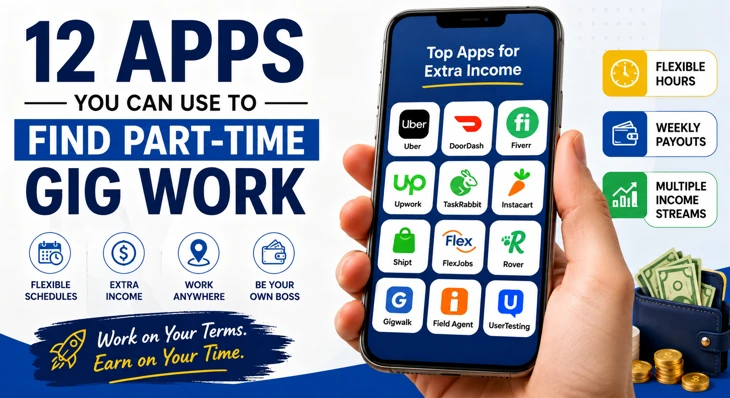
Writing, graphic design, video editing, and web development remain some of the strongest freelance categories. Platforms like Fiverr and Upwork have made it possible for students to reach global clients.
Online Tutoring Jobs
Students who are strong in academics often turn to tutoring. Teaching school subjects or even language skills online not only brings income but also strengthens one's own understanding.
Content Creation and Social Media Work
Content creation has become a significant source of income. Students are building YouTube channels, Instagram pages, blogs, and short-form video accounts. Brands often collaborate with them for promotions.
Local Gig Work and Delivery Tasks
In many cities, students also take up delivery services, errand-based tasks, or part-time local work. These roles usually offer quick payouts and flexible timing.
Entry-Level Microtasks
Simple tasks like surveys, tagging data, testing apps, or small online assignments help beginners get started. They may not pay much, but they help build confidence in the gig economy.
The rise of gig work is closely linked to technological improvements.
Smart Matching Systems
Modern platforms use algorithms to match students with relevant jobs based on skills, past performance, and interests. This reduces time spent searching and increases job relevance.
Fast and Secure Payments
Digital payment systems ensure students receive earnings quickly without complicated processes. This reliability builds trust in gig platforms.
Skill Testing and Portfolio Features
Many platforms now allow skill verification tests or portfolio uploads. This helps students stand out in competitive categories.
Challenges That Come With Gig Work
While gig platforms offer freedom, they also come with certain realities students should understand.
Income Can Fluctuate
Unlike fixed salaries, earnings depend on the availability of work. Some weeks may be busy, others slower.
Competition Is Increasing
As more students join gig platforms, competition grows. Standing out requires consistent effort and skill improvement.
Time Management Becomes Important
Without planning, it becomes easy to overwork or underwork. Balancing studies and gigs requires discipline.
No Traditional Job Benefits
Most gig roles do not include benefits like paid leave, insurance, or long-term job security.
How Students Can Build Long-Term Success
Success in gig platforms is less about luck and more about consistency.
Create a Strong Profile
A clear profile with skills, samples, and descriptions helps attract better clients.
Start Small and Grow Steadily
Early projects may not pay much, but they build a reputation. Over time, better opportunities follow.
Keep Improving Skills
Learning new tools and upgrading skills significantly increases earning potential.
Communicate Professionally
Clear communication builds trust and often leads to repeat work from clients.
The Future of Student Employment Is Already Here
The idea of student employment is no longer limited to physical jobs or campus roles. Gig platforms have opened a global workspace where students can participate in real projects while still studying.
Many universities are already recognizing this shift by encouraging freelance work, internships, and project-based learning.
In the coming years, we are likely to see even more integration between education and gig-based work experiences.
A Simple Real-World Example
Think of a student learning computer science. Instead of only relying on classroom assignments, they start taking small freelance coding tasks online.
At first, the work is simple—fixing bugs or building small features. Over time, they gain confidence, improve their skills, and start working with real clients.
By the time they graduate, they don’t just have a degree. They also have experience, a portfolio, and client feedback that gives them a real advantage in the job market.
FAQs
They are online platforms where students can find short-term or freelance work based on their skills and availability.
2. Can students really earn consistently through gig work?
Yes, but earnings depend on skills, effort, and consistency. Many students use it as a flexible side income.
Writing, design, programming, communication, tutoring, and digital marketing are among the most in-demand skills.
4. Is gig work suitable for beginners?
Yes. Many platforms allow beginners to start with small tasks and gradually build experience.
5. How can students balance studies with gig work?
By choosing flexible gigs and managing time carefully, students can maintain a healthy balance.
Conclusion
Gig platforms are not just a passing trend. They are reshaping how students approach work, income, and skill development. The combination of flexibility, accessibility, and real-world experience makes them a strong alternative to traditional student jobs.
As digital work continues to grow, students who adapt early will find themselves better prepared for future careers. Gig platforms are not just about earning money—they are about building independence, confidence, and practical skills that last far beyond college life.