📚 Table of Contents
- What Are Virtual Fashion Shows?
- Why Virtual Fashion Shows Are Growing So Fast
- Lower Production Costs
- Global Audience Reach
- Greater Creative Freedom
- Stronger Social Media Engagement
- How to Organize a Successful Virtual Fashion Show
- Define the Purpose of the Event
- Choose the Right Virtual Format
- Build a Creative Team
- Create a Strong Visual Concept
- Focus on Video Quality
- Promote the Event Before Launch
- Encourage Audience Interaction
- Skills Needed for a Remote Fashion Career
- Digital Content Creation
- Fashion Marketing
- Styling and Creative Direction
- Video Editing and Motion Design
- Photography and Retouching
- How to Start Building a Remote Creative Career in Fashion
- Create a Strong Portfolio
- Build Your Online Presence
- Learn Fashion Industry Software
- Network With Industry Professionals
- Start Freelancing
- Real-Life Examples of Virtual Fashion Success
- Challenges of Virtual Fashion Shows
- Digital Fatigue
- Technical Issues
- Competition for Attention
- Maintaining Human Connection
- The Future of Virtual Fashion and Remote Creativity
- FAQs About Virtual Fashion Shows and Remote Fashion Careers
- What is a virtual fashion show?
- Can you work remotely in the fashion industry?
- What skills are important for remote fashion jobs?
- How do virtual fashion shows make money?
- Are virtual fashion shows replacing traditional runway events?
- How can beginners enter the digital fashion industry?
- Conclusion
Virtual Fashion Shows: How to Organize and Build a Remote Creative Career
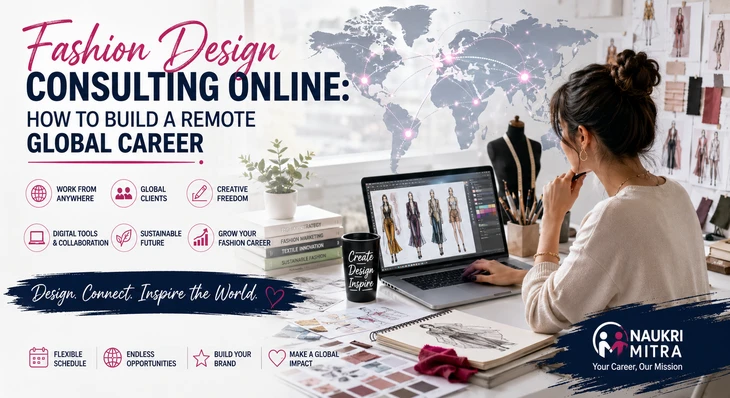
The fashion industry has always been driven by creativity, innovation, and visual storytelling. But over the last few years, one major shift has completely changed the way designers, stylists, photographers, models, and fashion marketers work together — virtual fashion shows. What once depended on packed venues, celebrity front rows, backstage chaos, and international travel can now happen online with a global audience watching in real time. Brands of all sizes are embracing digital runway experiences because they are more flexible, cost-effective, and accessible. At the same time, this shift has opened new doors for creative professionals who want to build remote careers in fashion. Today, people can organize online fashion events, work with international brands from home, and build strong portfolios without living in major fashion capitals. Whether you are an aspiring fashion entrepreneur, creative freelancer, digital marketer, stylist, or designer, virtual fashion shows offer exciting opportunities that continue to grow. In this guide, you will learn how virtual fashion shows work, how to organize one successfully, and how to build a long-term remote creative career in the fashion industry.What Are Virtual Fashion Shows?
Virtual fashion shows are online runway events in which fashion collections are presented digitally rather than through traditional in-person shows. These shows can take different forms, including:- Live-streamed runway events
- Pre-recorded fashion films
- Interactive digital experiences
- Augmented reality or virtual reality presentations
- Social media fashion launches
- 3D digital clothing showcases
Why Virtual Fashion Shows Are Growing So Fast
The rise of remote work and digital media accelerated the demand for online fashion experiences. However, convenience is only one reason brands are embracing virtual events.Lower Production Costs
Traditional fashion shows require expensive venues, lighting setups, travel arrangements, security, catering, and event staffing. Virtual events reduce many of these expenses. Smaller brands that once struggled to afford runway presentations can now create professional online showcases with smaller budgets.Global Audience Reach
A physical runway show may only seat a few hundred people. A virtual event can attract thousands of viewers worldwide. Fashion brands can connect directly with buyers, influencers, media professionals, and customers without location restrictions.Greater Creative Freedom
Digital fashion experiences allow creators to experiment with cinematic storytelling, animation, music, and special effects. Some brands have even created fully digital garments and virtual worlds that would be impossible to produce in a traditional runway environment.Stronger Social Media Engagement
Virtual fashion events naturally fit into platforms like Instagram, TikTok, YouTube, and Pinterest. Brands can repurpose event content into:- Reels
- Behind-the-scenes clips
- Designer interviews
- Product teasers
- Interactive campaigns
- Livestream highlights
How to Organize a Successful Virtual Fashion Show
Organizing a digital runway event requires careful planning, creative direction, and technical coordination. The process is different from traditional fashion event planning, but the core goal remains the same — creating a memorable fashion experience.Define the Purpose of the Event
Before planning begins, clarify the purpose of your virtual fashion show. Ask yourself:- Are you launching a new collection?
- Are you promoting emerging designers?
- Are you building brand awareness?
- Are you selling products directly?
- Are you attracting fashion media attention?
- Are you growing your social media audience?
Choose the Right Virtual Format
Not every digital fashion show looks the same. Some brands prefer polished cinematic presentations, while others focus on livestream interaction. Popular formats include:Livestream Fashion Shows
These events happen in real time and create excitement through live audience interaction. Livestreams work well on:- YouTube Live
- Instagram Live
- TikTok Live
- Facebook Live
- Twitch
Fashion Films
Fashion films combine runway presentation with storytelling and cinematic visuals. This format gives brands more creative control over editing, lighting, music, and production quality.Interactive Digital Experiences
Some brands create immersive online experiences where users can explore virtual showrooms, click products, or interact with digital environments. This format is especially effective for tech-focused fashion brands.Build a Creative Team
Even remote fashion productions require collaboration. Depending on your budget and event size, your virtual fashion show team may include:- Creative director
- Fashion stylist
- Makeup artist
- Photographer
- Videographer
- Video editor
- Graphic designer
- Social media manager
- Livestream technician
- Fashion models
- Music producer
Create a Strong Visual Concept
Fashion is visual storytelling. Your event should have a clear aesthetic identity that reflects your brand personality. Think about:- Color palettes
- Lighting style
- Music selection
- Model poses
- Background settings
- Editing transitions
- Typography
- Motion graphics
Focus on Video Quality
Poor audio or blurry visuals can quickly damage audience engagement. Invest in good production quality whenever possible. Key technical elements include:- Stable internet connection
- High-resolution cameras
- Clear sound recording
- Proper lighting
- Smooth editing
- Reliable streaming software
Promote the Event Before Launch
A successful virtual fashion show depends heavily on promotion. Start marketing the event at least two to four weeks before launch. Use multiple marketing channels, including:- Instagram countdowns
- TikTok teaser videos
- Influencer collaborations
- Email campaigns
- Fashion blog outreach
- Pinterest mood boards
- Behind-the-scenes content
Encourage Audience Interaction
One challenge of digital events is keeping viewers engaged. Interactive features can help audiences feel connected to the experience. You can include:- Live chat sessions
- Q&A segments
- Polls and reactions
- Audience voting
- Shoppable product links
- Virtual backstage access
Skills Needed for a Remote Fashion Career
Virtual fashion shows have created demand for professionals who understand both creativity and digital communication. You no longer need to work only in traditional fashion offices or studios. Many creative roles can now be performed remotely.Digital Content Creation
Fashion brands constantly need:- Social media content
- Promotional videos
- Fashion graphics
- Brand storytelling
- Short-form video editing
Fashion Marketing
Online fashion events rely heavily on digital marketing. Remote fashion marketers often manage:- Influencer partnerships
- Email campaigns
- SEO content
- Social media advertising
- Brand collaborations
- Audience analytics
Styling and Creative Direction
Remote stylists now work through virtual consultations, digital shoots, and online campaigns. Many stylists create mood boards, direct photo shoots remotely, and collaborate through video calls.Video Editing and Motion Design
Virtual runway productions depend heavily on editing. Fashion brands need editors who can create:- Runway highlight videos
- Cinematic transitions
- Promotional trailers
- Motion graphics
- Short-form social content
Photography and Retouching
Fashion photographers can now work remotely by editing, retouching, color grading, and directing shoots online. Brands often hire freelance editors from different countries to handle post-production work.How to Start Building a Remote Creative Career in Fashion
Breaking into remote fashion work may feel overwhelming at first, especially if you do not have industry connections. However, digital platforms have made it easier for talented people to build visibility independently.Create a Strong Portfolio
Your portfolio matters more than formal experience. Showcase your best work clearly. Include:- Fashion campaigns
- Styling projects
- Video edits
- Creative concepts
- Social media content
- Mood boards
- Branding projects
Build Your Online Presence
Creative professionals in fashion need visibility. Platforms like Instagram, TikTok, Behance, LinkedIn, and Pinterest can help you attract opportunities. Share:- Behind-the-scenes content
- Fashion inspiration
- Design ideas
- Short creative videos
- Portfolio samples
- Industry insights
Learn Fashion Industry Software
Remote fashion professionals often use digital tools for collaboration and production. Useful tools include:- Adobe Photoshop
- Adobe Premiere Pro
- Canva
- Lightroom
- After Effects
- Figma
- Zoom
- Trello
- Notion
Network With Industry Professionals
Networking still matters in digital fashion. Join:- Fashion communities
- Online workshops
- Creative forums
- LinkedIn groups
- Virtual industry events
Start Freelancing
Freelancing is one of the easiest ways to enter the remote fashion industry. Many brands hire freelancers:- Video editors
- Stylists
- Graphic designers
- Fashion writers
- Content creators
- Social media managers
Real-Life Examples of Virtual Fashion Success
Several global fashion brands successfully embraced digital runway experiences. During major international fashion weeks, brands experimented with online premieres, cinematic storytelling, and immersive virtual presentations. Some independent designers gained global attention because virtual platforms removed expensive entry barriers. For example, smaller designers who previously could not afford Paris or Milan runway events were suddenly able to reach international audiences online. Social media creators also benefited from this shift. Fashion influencers began hosting virtual styling sessions, online launch events, and digital collaborations with brands worldwide. This proves that the future of fashion careers is no longer tied to physical locations.Challenges of Virtual Fashion Shows
Although virtual fashion events offer many advantages, they also come with challenges.Digital Fatigue
Online audiences have shorter attention spans. If an event feels too long or repetitive, viewers may leave quickly. Keeping content visually engaging is essential.Technical Issues
Livestream failures, internet interruptions, and audio problems can damage the viewer's experience. Testing equipment beforehand is extremely important.Competition for Attention
Digital platforms are crowded. Fashion brands compete not only with other fashion events but also with entertainment, influencers, and viral social content. Creative storytelling helps brands stand out.Maintaining Human Connection
Traditional runway shows create emotional energy through live audiences. Virtual events must work harder to create excitement and emotional engagement. Interactive features and authentic storytelling can help solve this challenge.The Future of Virtual Fashion and Remote Creativity
The future of fashion is becoming increasingly digital. Virtual fashion shows are likely to continue evolving with:- Artificial intelligence
- Augmented reality
- Virtual reality experiences
- Digital clothing collections
- Interactive shopping tools
- Metaverse fashion events