📚 Table of Contents
- What Is Food Styling?
- Why Remote Food Styling Careers Are Expanding Quickly
- Skills Needed to Build a Successful Food Styling Career
- Visual Composition Skills
- Understanding Food Photography
- Social Media Content Awareness
- Communication and Client Management
- How to Start Food Styling From Home
- Build a Small Portfolio First
- Create a Professional Instagram Portfolio
- Practice Different Styling Techniques
- Best Niches for Remote Food Stylists
- Recipe and Blog Content
- Commercial Product Food Styling
- Restaurant Social Media Content
- Food Video Styling
- How to Find Remote Food Styling Clients
- Use Freelance Platforms
- Contact Brands Directly
- Collaborate With Food Photographers
- Improve Your Online Visibility
- Essential Tools for Food Styling at Home
- Basic Photography Setup
- Styling Props
- Editing Applications
- A Real Example of Growing a Food Styling Business Online
- Challenges Remote Food Stylists Often Face
- Creative Fatigue
- Managing Client Expectations
- Food and Prop Expenses
- Standing Out Online
- How Much Can Remote Food Stylists Earn?
- Tips to Grow Faster as a Remote Food Stylist
- Stay Consistent
- Study Strong Food Campaigns
- Build a Recognizable Style
- Keep Learning
- FAQs About Building a Remote Food Styling Career
- Can I become a food stylist without formal training?
- Do I need expensive equipment to start food styling?
- Is remote food styling a profitable career?
- Where can I find food styling clients online?
- Can food styling become a full-time business?
- Which social media platform works best for food stylists?
- Conclusion
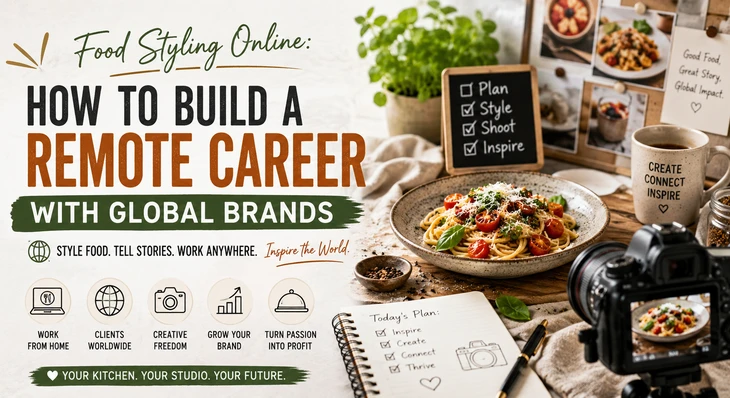
Food Styling Online: How to Build a Remote Career With Global Brands
A few years ago, food styling was mostly associated with glossy magazines, television commercials, and expensive studio shoots. Today, things look very different. Brands now need content every single day for websites, social media campaigns, recipe blogs, delivery apps, and digital ads. Because of that shift, talented creatives can now build a food-styling career from home and work with companies around the world. What makes this career especially appealing is the flexibility. You are no longer tied to one city, one agency, or one studio. A food stylist in a small home kitchen can collaborate with restaurants in New York, healthy snack brands in Australia, or cookware companies in Europe without leaving home. The growth of online marketing has created a huge demand for professionals who understand how to make food look irresistible on screen. Businesses know that strong visuals influence buying decisions. A beautifully styled plate of pasta or a perfectly arranged dessert can stop someone mid-scroll and instantly create interest. For creative people who enjoy food, photography, storytelling, and digital content, remote food styling has become a realistic and profitable career path.What Is Food Styling?
Food styling is the process of preparing and arranging food for visual media. The purpose is simple: make the food look appealing enough to attract attention, create emotion, and encourage action. Food stylists work on projects such as:- Restaurant menu photography
- Recipe blog content
- Social media campaigns
- Commercial advertising
- Product packaging visuals
- Video shoots and recipe reels
- Cookbooks and magazines
Why Remote Food Styling Careers Are Expanding Quickly
The digital content industry moves fast. Food brands constantly need fresh visuals to stay visible online. Social media platforms have changed how businesses market their products, and visual quality matters more than ever. Instead of relying only on large production studios, many companies now hire freelance food stylists remotely. This gives brands access to unique creative styles while reducing production costs. Remote food styling services are now commonly used for:- Instagram campaigns
- TikTok recipe videos
- Online food delivery apps
- E-commerce product pages
- Seasonal brand promotions
- Sponsored influencer collaborations
Skills Needed to Build a Successful Food Styling Career
Food styling combines creativity with practical execution. It is artistic, but it is also highly strategic.Visual Composition Skills
One of the most important skills is understanding composition. Professional food stylists pay close attention to:- Color contrast
- Ingredient placement
- Texture visibility
- Plate spacing
- Camera angles
- Background styling
Understanding Food Photography
You do not need to become an expert photographer immediately, but basic photography knowledge is extremely helpful. Understanding natural lighting, framing, shadows, and editing can dramatically improve your work. Many beginners start with smartphone photography before investing in professional cameras.Social Media Content Awareness
Modern food styling is heavily connected to digital marketing. Brands want visuals that perform well online, not just images that look attractive. That means successful food stylists should understand:- Short-form video trends
- Viral recipe formats
- Social media aesthetics
- Audience behavior
- Platform-specific content styles
Communication and Client Management
Remote work depends on communication. Clients may send creative briefs via email or video calls, so clearly understanding expectations is important. Professional food stylists should know how to:- Interpret visual references
- Handle revisions calmly
- Deliver projects on time
- Discuss creative ideas professionally
- Maintain organized workflows
How to Start Food Styling From Home
Many aspiring creatives assume they need expensive studios or professional kitchens before they can begin. That is not true. Many successful food stylists started with basic setups at home. You can begin with:- Natural window light
- Simple kitchen props
- Homemade dishes
- Neutral backgrounds
- A smartphone camera
Build a Small Portfolio First
Before approaching clients, create a collection of strong visual work. Your portfolio could include:- Breakfast setups
- Coffee table styling
- Homemade desserts
- Seasonal recipes
- Beverage photography
- Minimalist food compositions
Create a Professional Instagram Portfolio
Instagram has become one of the strongest marketing tools for food stylists. Instead of posting randomly, treat your profile like a visual portfolio. Share:- Styled food images
- Reels and short videos
- Behind-the-scenes setups
- Before-and-after editing examples
- Seasonal food concepts
- Consistent visual themes
Practice Different Styling Techniques
Food styling improves through experimentation. Try working with:- Different lighting directions
- Rustic backgrounds
- Dark mood photography
- Bright minimal aesthetics
- Motion shots
- Sauce drips and texture details
Best Niches for Remote Food Stylists
Food styling is a broad industry. Specializing in a niche can help you stand out and attract higher-quality clients.Recipe and Blog Content
Recipe creators and food bloggers constantly need attractive visuals. This type of work often focuses on:- Ingredient storytelling
- Lifestyle aesthetics
- Step-by-step recipe shots
- Cozy home-cooking visuals
Commercial Product Food Styling
Packaged food brands regularly hire food stylists for advertising campaigns. These projects may involve:- Beverage photography
- Snack campaigns
- Frozen food promotions
- Sauce and condiment visuals
- Product launch content
Restaurant Social Media Content
Restaurants depend heavily on visuals for online marketing. Professional food styling helps restaurants create:- Menu photography
- Delivery app images
- Instagram promotions
- Seasonal campaign visuals
- Customer engagement content
Food Video Styling
Short-form videos have created a massive shift in content marketing. Many brands now prioritize video-focused food styling for:- Recipe reels
- TikTok campaigns
- Slow-motion pours
- Cooking tutorials
- Product demonstrations
How to Find Remote Food Styling Clients
Getting started can feel slow at first, but there are many ways to build client relationships.Use Freelance Platforms
Websites such as Upwork, Fiverr, and Contra allow food stylists to connect with global clients. Smaller projects can help you:- Build testimonials
- Improve confidence
- Create case studies
- Gain repeat work
Contact Brands Directly
Not every business advertises food styling jobs publicly. Small food brands, cafés, bakeries, and startups often need content but may not know where to find creative professionals. A simple outreach message with:- Portfolio samples
- Social media links
- Service details
- A personalized introduction
Collaborate With Food Photographers
Food photographers frequently work with freelance food stylists. Networking with photographers can lead to:- Agency projects
- Commercial campaigns
- Brand referrals
- Ongoing creative partnerships
Improve Your Online Visibility
Clients often search online using terms like:- Remote food stylist
- Freelance food styling services
- Food styling for brands
- Food content creator
Essential Tools for Food Styling at Home
You do not need luxury equipment in the beginning, but certain tools can make your work look more polished.Basic Photography Setup
Useful beginner tools include:- Smartphone or camera
- Tripod
- Reflector boards
- Soft lighting setup
- Neutral backdrops
Styling Props
Props help create mood and storytelling. Popular food styling props include:- Ceramic dishes
- Wooden trays
- Linen napkins
- Vintage cutlery
- Textured surfaces
- Glass containers
Editing Applications
Editing tools help refine images while keeping food realistic. Popular options include:- Adobe Lightroom
- Photoshop
- Snapseed
- Canva
- CapCut for video editing
A Real Example of Growing a Food Styling Business Online
Imagine someone who enjoys baking at home and regularly posts dessert photos online. At first, the images are simple. The lighting is inconsistent, and the presentation feels basic. Over time, they learn how to improve composition, adjust lighting, and edit photos more professionally. They begin posting short recipe videos and styling seasonal desserts. A local bakery notices their work and requests social media content. After that project, another small café reached out for promotional visuals. Months later, a packaged dessert brand hires them for an online campaign. What began as a hobby slowly becomes a remote creative business. This kind of career progression is becoming increasingly common in the digital content world.Challenges Remote Food Stylists Often Face
Like every creative career, food styling comes with challenges.Creative Fatigue
Consistently producing original visuals can become mentally exhausting. Exploring new cuisines, changing photography styles, and taking creative breaks can help maintain inspiration.Managing Client Expectations
Some clients request multiple revisions or constantly changing ideas. Clear communication and detailed creative briefs can reduce confusion.Food and Prop Expenses
Ingredients, props, and specialty products can become expensive over time. Carefully tracking costs is important for maintaining profitability.Standing Out Online
The content industry is crowded. However, originality still matters. A recognizable visual identity can make your work memorable.How Much Can Remote Food Stylists Earn?
Income varies based on experience, client type, niche, and service offerings. Beginner freelancers may start with small social media projects, while experienced professionals working with global brands can charge significantly higher rates. Many remote food stylists increase income through:- Brand partnerships
- Sponsored campaigns
- Recipe creation
- Photography packages
- Video production
- Digital products
- Content licensing
Tips to Grow Faster as a Remote Food Stylist
Stay Consistent
Regular posting helps increase visibility. Consistency also builds audience trust.Study Strong Food Campaigns
Pay attention to restaurant advertisements, viral recipe videos, and packaging campaigns. Notice:- Lighting choices
- Camera angles
- Styling details
- Emotional storytelling
Build a Recognizable Style
Clients often hire food stylists whose visual identities match their brands. Developing a consistent aesthetic can help you attract ideal clients.Keep Learning
Food styling trends evolve constantly. Continue improving your:- Photography skills
- Video editing techniques
- Branding knowledge
- Social media strategy
- Content storytelling