📚 Table of Contents
- What Working Remotely for Fortune 500 Companies Really Looks Like
- What they really look for in remote professionals
- Skills That Help You Land Remote Jobs in Fortune 500 Companies
- Technical skills that open doors
- Soft skills that quietly decide your success
- Writing a Resume That Works for Fortune 500 Remote Roles
- What your resume should clearly show
- Small changes that make a big difference
- Where to Find Remote Opportunities in Fortune 500 Companies
- Practical places to start your search
- Something most people miss
- Applying for Fortune 500 Remote Jobs the Right Way
- What improves your chances immediately
- Mistakes that reduce your chances
- Remote Interviews: What Actually Happens
- Common interview formats
- How to prepare in a realistic way
- Tools You Should Be Comfortable With
- Building a Strong Online Presence That Gets Noticed
- What helps you stand out naturally
- Developing the Right Remote Work Mindset
- What strong remote professionals consistently do
- Career Growth in Fortune 500 Remote Roles
- What actually drives career growth
- FAQs
- Can freshers get remote jobs in Fortune 500 companies?
- Are Fortune 500 companies really hiring remote workers globally?
- What skills are most important for remote Fortune 500 jobs?
- How long does it take to get hired?
- Do I need a perfect resume to get selected?
- Conclusion
How to Work Remotely for Fortune 500 Companies
Working remotely for Fortune 500 companies is no longer something “out of reach” or reserved for a small group of professionals. It has quietly become a real career path for developers, marketers, analysts, designers, and even fresh graduates willing to build the right skills and position themselves well. What has changed everything is simple—global hiring. Large enterprises now rely heavily on distributed teams, remote collaboration tools, and cross-border talent. That shift has opened doors, but it has also raised the bar. Because yes, the opportunity is real—but so is the competition. This guide breaks down how to actually position yourself for remote jobs in Fortune 500 companies, what they quietly expect, and how you can stand out without overcomplicating the process.What Working Remotely for Fortune 500 Companies Really Looks Like
Before chasing applications, it helps to understand the environment you’re stepping into. Fortune 500 companies don’t operate like small startups. Everything is structured, documented, and built for scale. Remote employees are still expected to perform at the same level as in-office teams—sometimes even more.What they really look for in remote professionals
Instead of long lists of requirements, here’s what actually matters in day-to-day work:- Clear communication without constant follow-ups
- Consistent ownership of tasks from start to finish
- Comfort working across time zones
- Familiarity with tools like Slack, Zoom, Jira, and Teams
- Discipline to deliver without supervision
Skills That Help You Land Remote Jobs in Fortune 500 Companies
You don’t need to know everything. But you do need to be strong in your core area and comfortable working in a structured digital environment.Technical skills that open doors
Depending on your role, companies often prioritize:- Software development (Python, Java, JavaScript, cloud platforms)
- Data analytics and visualization tools
- Digital marketing with SEO and performance focus
- Cloud and DevOps fundamentals
- Cybersecurity and system management
Soft skills that quietly decide your success
These are often the difference between getting hired and getting shortlisted:- Writing clear updates without confusion
- Problem-solving without waiting for instructions
- Staying organized in remote setups
- Respecting timelines across global teams
- Adapting quickly when priorities shift
Writing a Resume That Works for Fortune 500 Remote Roles
Most candidates don’t get rejected because they lack experience—they get rejected because their resume doesn’t clearly show impact. A Fortune 500 recruiter scans for signals, not stories.What your resume should clearly show
Instead of listing duties, focus on outcomes:- What you improved, built, or fixed
- Tools and systems you’ve actually used
- Remote or hybrid collaboration experience
- Measurable results (numbers always help)
Small changes that make a big difference
- Use simple formatting that ATS systems can read
- Replace passive phrases with action-driven language
- Tailor your resume for each role instead of sending one version everywhere
- Highlight global collaboration if you’ve done it before
Where to Find Remote Opportunities in Fortune 500 Companies
This is where most people get stuck—not because jobs don’t exist, but because they don’t know where to look consistently.Practical places to start your search
- Official career pages of Fortune 500 companies
- LinkedIn (especially remote job filters)
- Job platforms like Indeed, Glassdoor, FlexJobs
- Employee referrals (often the fastest route)
- Professional communities and niche Slack groups
Something most people miss
Many remote roles are never widely advertised. They are filled through referrals or internal networks first. So while applying matters, networking quietly becomes just as important.Applying for Fortune 500 Remote Jobs the Right Way
Once you find a role, the application process becomes about precision.What improves your chances immediately
- Matching your resume closely with the job description
- Writing a short, focused cover letter (not generic paragraphs)
- Highlighting remote readiness early in your application
- Showing results instead of responsibilities
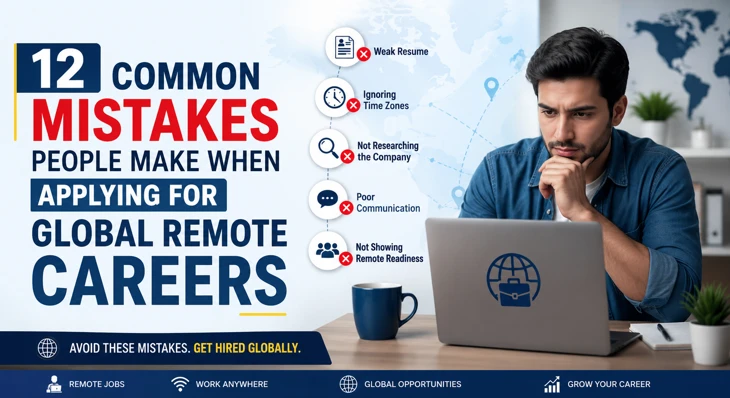
Mistakes that reduce your chances
- Sending the same resume everywhere
- Ignoring required skills mentioned in the listing
- Not understanding the company’s work culture
- Treating applications like a numbers game
Remote Interviews: What Actually Happens
Remote interviews feel different. They are structured, focused, and often multi-layered.Common interview formats
- Video interviews (Zoom or Microsoft Teams)
- Technical or role-based assessments
- Behavioral interviews using real work scenarios
- Panel interviews with global team members
How to prepare in a realistic way
Instead of memorizing answers, focus on:- Explaining your experience clearly and simply
- Using real examples from past work
- Staying calm under technical questions
- Ensuring your setup (internet, audio, lighting) is stable
Tools You Should Be Comfortable With
Working remotely in Fortune 500 companies means you’ll interact with structured systems daily. Here are the most common tools you’ll likely use:- Slack or Microsoft Teams for communication
- Jira, Asana, or Trello for task tracking
- Zoom or Google Meet for meetings
- Notion or Confluence for documentation
- AWS, Azure, or Google Cloud for technical roles
Building a Strong Online Presence That Gets Noticed
Before interviews even happen, recruiters often look you up online.What helps you stand out naturally
- A clean, keyword-optimized LinkedIn profile
- A portfolio that actually shows your work
- GitHub contributions (for technical roles)
- Simple posts or insights related to your field
Developing the Right Remote Work Mindset
Skills get you hired, but mindset keeps you there. Remote Fortune 500 employees are trusted because they are predictable in performance.What strong remote professionals consistently do
- Manage time without reminders
- Communicate before problems grow
- Stay organized even during busy cycles
- Take responsibility instead of waiting for instructions
- Build trust through consistency
Career Growth in Fortune 500 Remote Roles
Getting the job is just the beginning. Growth comes from how you position yourself after joining.What actually drives career growth
- Taking internal learning programs seriously
- Volunteering for cross-team projects
- Building relationships with global teams
- Improving both technical and communication skills