📚 Table of Contents
- The Rise of the Remote Entrepreneur
- Why Professionals Are Choosing Remote Entrepreneurship
- Greater Flexibility and Freedom
- Multiple Income Opportunities
- Access to a Global Market
- Better Work-Life Integration
- Industries Leading the Remote Entrepreneurship Movement
- Digital Marketing and Content Creation
- Technology and Software Development
- Coaching and Consulting
- Education and Online Learning
- How Technology Is Enabling Remote Businesses
- Communication Tools
- Cloud Storage and Collaboration
- Digital Marketing Platforms
- Online Payment Systems
- Challenges Remote Entrepreneurs Face
- Isolation and Loneliness
- Managing Productivity
- Income Uncertainty
- Competition in Online Markets
- Skills That Help Remote Entrepreneurs Succeed
- Communication Skills
- Self-Discipline
- Digital Literacy
- Adaptability
- Real-Life Examples of Remote Entrepreneurship
- The Role of Personal Branding in Remote Business Growth
- The Future of Remote Entrepreneurship
- How Professionals Can Start Their Remote Entrepreneurship Journey
- Identify Existing Skills
- Start Small
- Build an Online Presence
- Focus on Relationships
- Continue Learning
- FAQs
- What is a remote entrepreneur?
- Why are professionals leaving traditional jobs for remote businesses?
- Which industries are best for remote entrepreneurship?
- Is remote entrepreneurship risky?
- Do remote entrepreneurs need advanced technical skills?
- How can someone start a remote business with limited investment?
- Conclusion
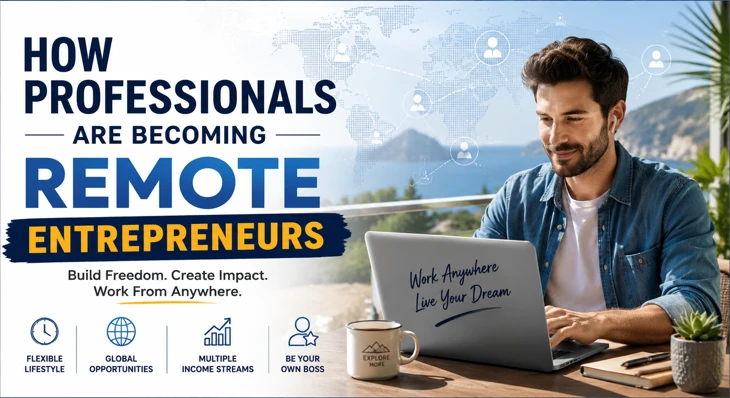
How Professionals Are Becoming Remote Entrepreneurs
The traditional idea of career success is changing fast. For decades, professionals followed a familiar path — earn a degree, get a stable job, work for one company, and climb the corporate ladder. Today, that model is no longer the only option. Across industries, skilled professionals are leaving traditional office roles and building flexible, location-independent businesses online. This shift has created a new generation of remote entrepreneurs. From marketers and consultants to designers, software developers, financial advisors, coaches, and educators, professionals are using digital tools to turn their expertise into independent businesses. What once required a physical office, a large investment, or a local network can now be launched from a laptop anywhere in the world. The rise of remote entrepreneurship is not just a trend. It reflects a deeper change in how people want to work, live, and grow professionally.The Rise of the Remote Entrepreneur
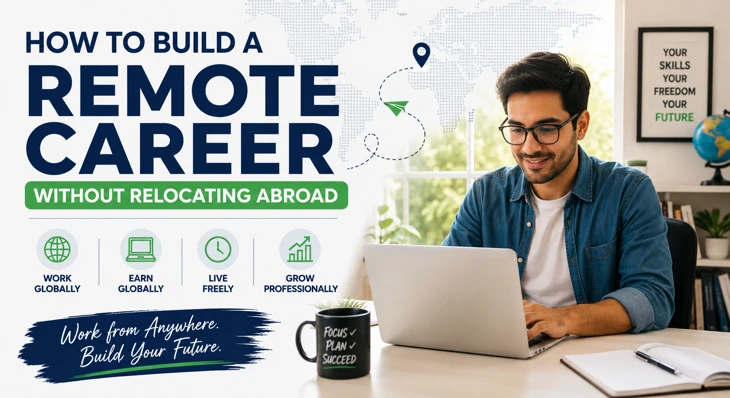
Remote entrepreneurship has accelerated dramatically over the last few years. Technology, global connectivity, and changing workplace expectations have made it easier than ever to build a business online. Many professionals first experienced remote work during the global pandemic. While some returned to offices, others realized they could work more efficiently and independently from home or while traveling. That realization opened the door to something bigger — creating their own remote-first business. A remote entrepreneur is someone who operates a business primarily online without being tied to a physical location. They may work from home, coworking spaces, cafés, or while traveling internationally. Unlike traditional business owners who often need office space and local customers, remote entrepreneurs rely on digital platforms, online communication, cloud software, and virtual services. This flexibility has attracted professionals who want more control over their time, income, and career direction.Why Professionals Are Choosing Remote Entrepreneurship
There is no single reason why professionals are moving toward owning online businesses. Instead, several factors are influencing this major career shift.Greater Flexibility and Freedom
One of the biggest reasons professionals become remote entrepreneurs is flexibility. Traditional jobs often come with fixed schedules, long commutes, and limited control over personal time. Remote entrepreneurship allows for a work schedule that fits individual priorities. For example, a digital marketing specialist who starts a freelance consulting business can decide which clients to work with, when to schedule meetings, and how many projects to take each month. This flexibility allows people to spend more time with family, travel, pursue hobbies, or focus on personal growth.Multiple Income Opportunities
Professionals are also realizing that relying on a single paycheck can feel risky. Remote entrepreneurs often create multiple income streams through:- Freelance services
- Consulting
- Online courses
- Membership communities
- Digital products
- Affiliate marketing
- Subscription services
- Coaching programs
Access to a Global Market
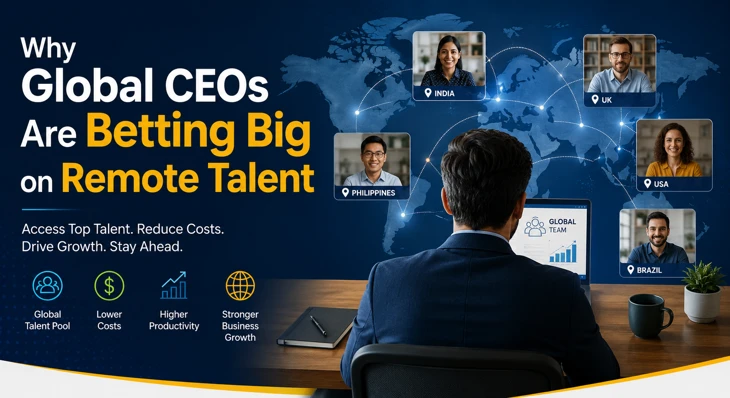
One of the most powerful advantages of remote entrepreneurship is global reach. A professional is no longer limited to finding clients in their local city. Through social media, online marketplaces, SEO, and networking platforms, entrepreneurs can attract customers from around the world. A business consultant in India can work with startups in the United States. A copywriter in Europe can collaborate with brands in Australia. Geographic barriers have become far less important. This global accessibility creates more opportunities for growth and specialization.Better Work-Life Integration
Many professionals are no longer interested in separating work and life in rigid ways. Instead, they want better integration. Remote entrepreneurship allows people to design a lifestyle that supports both professional success and personal well-being. For example, parents may choose schedules that allow them to spend more time with children. Travelers may build businesses that support a digital nomad lifestyle. Others may simply want a quieter and less stressful work environment.Industries Leading the Remote Entrepreneurship Movement
Remote entrepreneurship is growing across many industries, but some fields are adapting particularly quickly.Digital Marketing and Content Creation
Digital marketers, SEO specialists, social media managers, and content creators are among the most active remote entrepreneurs. Since their work already exists online, transitioning from employee to business owner is often a natural step. Many professionals start by freelancing part-time before building full agencies or personal brands.Technology and Software Development
Software developers and IT professionals have long been comfortable with remote work. Today, many developers are launching:- SaaS businesses
- Mobile apps
- Tech consulting firms
- Web development agencies
- AI-based services
Coaching and Consulting
Experienced professionals are turning knowledge into online businesses. Career coaches, business consultants, financial advisors, leadership mentors, and wellness experts are building remote coaching practices using video calls, webinars, and online learning platforms. This model allows experts to scale their knowledge without geographic limitations.Education and Online Learning
The online learning industry has expanded rapidly. Teachers, trainers, and subject experts are creating digital courses, workshops, and educational communities. Platforms such as video conferencing software and learning management systems enable teachers to teach students worldwide.How Technology Is Enabling Remote Businesses
Technology is the foundation of remote entrepreneurship. Without modern digital tools, running a location-independent business would be far more difficult. Today’s remote entrepreneurs use cloud-based systems for communication, collaboration, marketing, sales, and project management.Communication Tools
Video conferencing platforms, instant messaging apps, and virtual meeting software allow teams and clients to stay connected from different locations. Entrepreneurs can manage projects, conduct sales calls, and collaborate with global clients without ever meeting in person.Cloud Storage and Collaboration
Cloud technology enables professionals to access files, documents, and business systems from anywhere. Teams can collaborate in real time without being physically present in the same office. This has significantly reduced operational barriers for startups and independent professionals.Digital Marketing Platforms
Social media, search engines, email marketing tools, and online advertising platforms help remote entrepreneurs reach audiences at scale. Instead of relying on expensive traditional advertising, entrepreneurs can build audiences organically through valuable content and strategic marketing. For example, a freelance career coach can attract clients by sharing practical LinkedIn advice and publishing SEO-optimized blog content.Online Payment Systems
Secure online payment gateways have simplified global business transactions. Professionals can invoice clients, receive payments, and manage subscriptions internationally with minimal friction. This convenience supports the growth of international remote businesses.Challenges Remote Entrepreneurs Face
While remote entrepreneurship offers many benefits, it also comes with challenges. Building an online business requires discipline, adaptability, and long-term thinking.Isolation and Loneliness
Working remotely can sometimes feel isolating. Professionals who leave traditional office environments may miss daily social interaction and team collaboration. Many remote entrepreneurs address this challenge by joining coworking spaces, online communities, networking groups, or attending industry events.Managing Productivity
Without structured office environments, productivity can become difficult for some people. Successful remote entrepreneurs often create routines, dedicated workspaces, and clear schedules to stay focused. Time management becomes especially important when balancing multiple clients or projects.Income Uncertainty
Unlike salaried jobs, entrepreneurship can involve fluctuating income. New business owners may experience inconsistent revenue during the early stages of growth. This is why many professionals begin remote entrepreneurship as a side business before transitioning full-time. Building financial reserves and diversifying income sources can help reduce uncertainty.Competition in Online Markets
The online business world is highly competitive. Professionals must continuously improve skills, strengthen branding, and provide clear value to stand out. Strong personal branding, niche specialization, and relationship-building often play major roles in long-term success.Skills That Help Remote Entrepreneurs Succeed
Not every professional automatically succeeds in remote entrepreneurship. Certain skills can make the transition smoother and more sustainable.Communication Skills
Clear communication is essential in remote business environments. Since many interactions happen online, entrepreneurs must communicate effectively through email, video calls, messaging platforms, and written content.Self-Discipline
Remote entrepreneurs manage their own schedules and responsibilities. Strong self-discipline helps maintain consistency, productivity, and professional standards.Digital Literacy
Understanding online tools, digital platforms, and virtual collaboration systems is increasingly important. Even non-technical professionals benefit from basic knowledge of:- SEO
- Social media marketing
- Online branding
- Analytics
- Automation tools
Adaptability
Online business environments change quickly. Successful entrepreneurs adapt to new technologies, market trends, and customer expectations. Professionals who stay curious and continue learning are often better positioned for long-term growth.Real-Life Examples of Remote Entrepreneurship
Many professionals begin remote entrepreneurship gradually rather than making sudden career changes. Consider a corporate HR manager who starts offering resume-writing and interview coaching services online on weekends. Over time, client demand grows, referrals increase, and the side business becomes a full-time remote consulting company. Another example could be a software engineer who develops productivity tools after noticing recurring problems in remote teams. What starts as a small project eventually grows into a subscription-based SaaS platform. These examples show that remote entrepreneurship often starts with solving real problems using existing professional skills.The Role of Personal Branding in Remote Business Growth
Personal branding has become increasingly important for remote entrepreneurs. Since online business relationships often begin digitally, trust plays a major role. Professionals who consistently share valuable insights, expertise, and authentic experiences online can build stronger visibility and credibility. Platforms like LinkedIn, YouTube, blogs, podcasts, and newsletters allow entrepreneurs to establish authority in their niche. For example, a financial consultant who regularly shares practical money management strategies may attract both followers and clients over time. Strong personal branding helps remote entrepreneurs:- Build audience trust
- Generate leads organically
- Create networking opportunities
- Increase perceived expertise
- Differentiate from competitors
The Future of Remote Entrepreneurship
The future of work is likely to become even more flexible and digitally connected. Companies are increasingly hiring remote talent, and professionals are becoming more comfortable with virtual collaboration. At the same time, younger generations often prioritize flexibility, purpose, and independence over traditional corporate structures. Artificial intelligence, automation, and digital platforms will continue transforming how businesses operate. This creates both opportunities and challenges for professionals. Remote entrepreneurship is expected to grow further as:- Online business tools become more accessible
- Global hiring continues to expand
- Digital education increases
- Remote collaboration improves
- More professionals seek location-independent careers