Remote Job Trends in 2025: What’s Changing?
Introduction
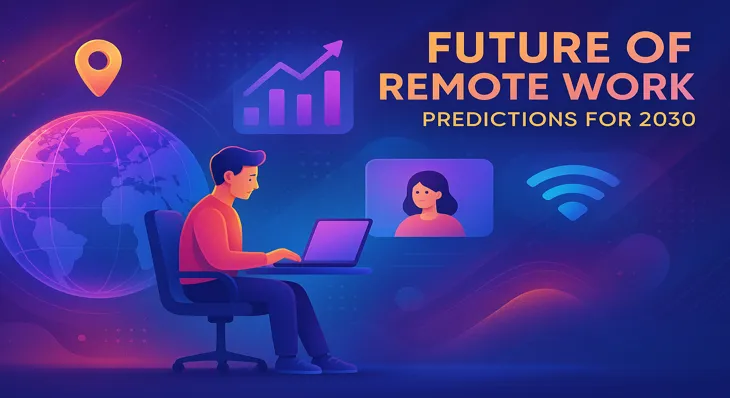
Remote work isn’t an experiment anymore—it’s just work. By 2025, mornings often begin at a kitchen table, a noisy café with spotty Wi-Fi, or a co-working space where Slack pings compete with the sound of coffee orders. For many, the daily commute is a thing of the past. That simple change has upended how people advance their careers, how teams stay connected, and how companies track progress. What once looked like a stopgap is now the everyday normal.
So what’s really different? Hybrid office setups, companies hiring across borders, more innovative tools that take care of the boring stuff, and a growing crowd of digital nomads. Let’s dig into how these shifts are playing out—whether you’re running a team, job hunting, or just curious about what’s next.
Why This Topic Matters
Not long ago, asking to work from home felt like making a special request. Now it’s at the heart of how businesses plan. Companies are investing heavily in technology and systems that enable long-term flexibility and adaptability. For workers, it means you don’t have to live in the “right” city to land a role you want. But it also means the bar is higher—employers expect you to deliver without excuses.
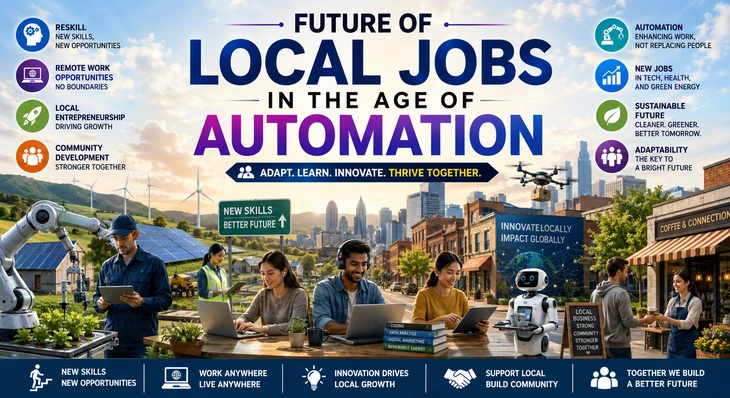
Industries are catching on fast. Jobs that once “couldn’t be remote” now are. AI is automating repetitive tasks, freeing humans to focus on creative or strategic work. Managers are figuring out how to build trust when their team isn’t in one place. Keeping pace with all this is what helps you stay competitive.
Key Benefits, Trends, and Solutions
? Hybrid Work Is Here to Stay
Hybrid schedules are the new normal. A couple of days at home, a couple in the office. It provides people with quiet time to focus and face-to-face time to collaborate. The payoff? Less burnout, more balance, and stronger connections. For companies, it typically means happier staff and more consistent results.
? Remote Jobs Keep Growing
Remote roles are proliferating in various fields, including technology, marketing, education, and customer support. Employers want top talent, no matter the zip code. Job seekers are widening their search to new cities, new countries—even new continents. The upside: more openings. The downside: more competition for each one.
? AI in Everyday Work
AI is everywhere now. From scheduling to crunching numbers, innovative tools handle the busywork. It’s not about replacing people. It’s about letting them focus on the big stuff—ideas, decisions, problem-solving—and avoiding the grind that leads to burnout.
? Hiring Without Borders
Location matters less than it used to. Companies are building teams that span multiple time zones. For workers, that means access to jobs you might’ve thought were out of reach. For businesses, it brings in fresh ideas and perspectives that fuel growth.
?️ Tech That Makes It Work
Remote teams run on their toolkits. Project boards, real-time brainstorming apps, video calls—all of it keeps the wheels turning. More transparent communication, faster delivery—these aren’t perks anymore, they’re baseline. The right tech doesn’t just support remote work; it makes it possible.
? Life as a Digital Nomad
Working while traveling has gone mainstream. Many professionals are blending jobs with new cities and cultures. Governments are rolling out nomad visas, co-working spots are everywhere, and internet access is strong enough in most big hubs to make it work. For many, it’s a mix of career growth and personal adventure.
How to Get Started: Step-by-Step Guide
Check Your Role and Industry
Not every job is remote yet, but the list is longer every year. Look at your field—tech, HR, finance, and education are already way ahead. More industries are catching up.
Example: Finance and HR teams are now utilizing cloud systems to manage sensitive data from anywhere securely.
Build the Right Setup
Gear matters. A solid internet connection, a dependable laptop, and the right apps are the basics. Add a second monitor or a good headset if you can. Better to invest early than deal with Zoom freezing in the middle of a client call.
Get Good at Online Communication
Remote work thrives on effective communication. Clear emails, quick Slack updates, and video calls where people actually feel heard—that’s what keeps teams moving. What used to be “nice to have” is now a core skill.
Show You Can Deliver Results
Employers want proof that you can handle yourself without someone looking over your shoulder. Point to projects where you worked independently, managed different time zones, or solved problems on the fly. Show outcomes, not just effort.
Look Beyond Local Job Boards
Don’t just scroll your local listings. Global boards connect you with companies worldwide. Your next role might be based in Berlin, São Paulo, or Sydney.
Overcoming Challenges & Common Mistakes
Skimping on Tech
Remote work takes more than a laptop and Zoom. Slow Wi-Fi, outdated software, or weak security will drag you down. Upgrade before you get stuck mid-presentation.
Ignoring Team Culture
Culture doesn’t vanish when people go remote—it just changes. Virtual check-ins, casual team chats, and even online trivia nights help people feel connected. Skip it, and teams drift. Build it, and people stick around.
Forgetting Boundaries
When work and home coexist in the same space, the line between them becomes blurry. Set a routine. Close the laptop at a set time. Create a spot that feels like “work mode.” Boundaries save your focus—and your sanity.
Skipping Skill Growth
Remote work rewards individuals who continue to learn. New tools appear constantly. Short courses, certifications, or even self-teaching on new apps keep you sharp and employable.
Final Thoughts
The remote job market in 2025 is moving quickly. Those who adapt, continue learning, and communicate effectively will thrive. Remote work isn’t some “future of work” headline—it’s already here, shaping how we earn and live.
Whether you’re new to remote jobs or already seasoned, there’s room to grow. With the right mindset and habits, you can make it work—and maybe even enjoy that freedom to start your Monday from a café instead of the freeway.
Bonus Tips & FAQs
Q: What industries offer the most remote opportunities in 2025?
A: Tech, marketing, customer support, finance, and education are still leading. Healthcare, design, and consulting are rapidly evolving.
Q: How can I stand out in this market?
A: Share proof of results, stay current with collaboration tools, and apply globally. Employers are seeking individuals who can manage themselves, remain accountable, and deliver dependable results without constant supervision.
Bonus Tip
Join remote communities, follow trends, and swap stories with other professionals. Those groups often share job leads, advice, and support that you won’t always find elsewhere.