📚 Table of Contents
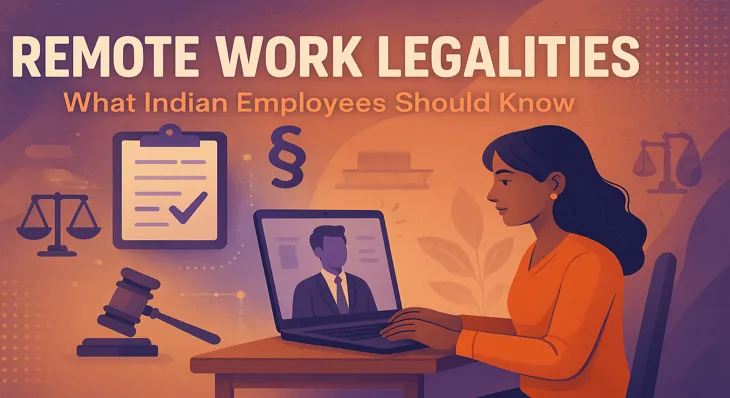
Remote Work Legalities: What Indian Employees Should Know
Are you one of the millions of Indians working remotely, either from home or across borders? Working from home feels liberating, but it also raises a practical question: what exactly are your legal rights and responsibilities? With remote work rapidly transforming the way people work across India, it’s more important than ever to be aware of the legal essentials that come with it. Whether you’re new to remote work or a seasoned pro, knowing the legal basics is what keeps your income, career, and peace of mind secure. In this blog, we’ll unpack the crucial laws, tax rules, contracts, and compliance factors every Indian remote worker should be aware of—so you can focus on your work, knowing you’re covered.Why This Topic Matters
Remote work has evolved far beyond being a temporary solution—it’s now a permanent reality for millions of Indian professionals. But with opportunity comes responsibility. Suppose you’re unaware of the rules surrounding working from home in India. In that case, you may unintentionally put your rights and protections at risk, particularly concerning issues such as tax implications and minimum wage for remote workers. Today’s workforce needs to understand how Indian labor laws apply to remote jobs. This blog will help you:- Recognize your rights and duties
- Avoid legal pitfalls that could affect your job or income
- Gain confidence navigating remote employment contracts, PF, ESI, and dispute resolution
Key Legal Benefits, Trends, and Solutions
- ? Clear Remote Employment Contracts Always insist on a written contract when accepting a remote job. This should spell out your role, compensation, working hours, leave policy, and compliance with Indian labor laws for remote jobs. A detailed contract can help you resolve disputes down the line.
- ? Tax Implications for Remote Work Remote work doesn’t exempt you from taxes! If you’re working from home in India for an Indian employer, your income is taxable under Indian laws. For cross-border remote employment, taxation can get complex—sometimes involving double taxation or foreign tax credits. Consulting a professional is often worth it.
- ?️ Data Privacy Laws and Intellectual Property Data privacy is critical. Indian employees must adhere to data privacy laws for remote work and ensure that confidential information is handled securely and in accordance with these laws. Likewise, intellectual property rights mean the work you produce may belong to your employer—check your contract for clarity.
- ?⚖️ PF, ESI & Minimum Wage Compliance If you’re a full-time remote employee, you’re still eligible for Provident Fund (PF) and Employee State Insurance (ESI) as per Indian law. Also, the minimum wage for remote workers in India applies to your salary, regardless of location.
Step-by-Step Guide to Navigating Remote Work Legalities
- Read and Negotiate Your Remote Work Contract Take the time to review your remote work contract line by line—you’ll want to be clear on everything before you sign. Ensure it covers role clarity, notice periods, pay structure, intellectual property, and dispute resolution. Don’t hesitate to negotiate points that feel unclear or unfair.
- Understand Your Tax Duties If you’re working remotely from India—whether for an Indian or foreign employer—you are required to file taxes in accordance with Indian law. Learn which forms to file, deadlines, and what deductions apply to remote work. For instance, many freelancers deduct expenses for their home office.
- Ensure PF and ESI Coverage Many people overlook Social Security benefits. If your employer qualifies, you should still be eligible for Provident Fund (PF) and Employee State Insurance (ESI) even while working remotely. Check your pay slips and contract, and raise concerns if you’re not enrolled.
- Stay Compliant with Data Privacy and IP Laws Follow best practices for data privacy laws in remote work by using secure networks, encrypting sensitive data, and understanding your responsibilities outlined in your contract. Also, clarify intellectual property ownership, especially if you’re creating original content or software.
- Know Your Rights for Dispute Resolution If you ever face a dispute, remote work dispute resolution in India typically follows labor law and contract stipulations. Keep copies of all communication and be familiar with the escalation process, whether through labor courts, arbitration, or company policy.
Overcoming Legal Challenges and Avoiding Common Mistakes
- Skipping the Fine Print Many employees overlook details in remote employment contracts in India, leading to confusion over notice periods, working hours, and job responsibilities. Always clarify before signing.
- Ignoring Tax and Compliance Issues Some remote workers, especially in cross-border jobs, ignore the tax implications of remote work in India. This can result in penalties or double taxation. Always stay informed and up-to-date.
- Neglecting PF, ESI, or Minimum Wage Thinking you’re not entitled to social security or minimum wage just because you work from home can end up costing you real money. Know your rights and don’t hesitate to bring issues to the attention of HR.
- Overlooking Data Security Data privacy laws for remote work in India are strict. Using unsecured networks or sharing confidential data carelessly can lead to legal trouble. Stay updated on security protocols.
Final Tips and Key Takeaways
Knowing the legal side of remote work in India isn’t optional anymore—it’s essential if you want to stay protected. Stay aware of your employee rights, follow legal guidelines, and ensure you’re protected—no matter where your office is located. If you’re proactive, informed, and assertive, remote work can offer both freedom and security. Stay informed, follow the rules, and use remote work as a way to build a secure future on your own terms.FAQs & Bonus Tips
- Q: What if my employer refuses PF or ESI benefits for my remote job? A: If your employer is eligible under Indian labor laws for remote jobs, you are entitled to PF and ESI. Raise the concern formally; if unresolved, seek advice from a labor lawyer.
- Q: Can my employer monitor my work at home? A: Indian data privacy laws allow reasonable monitoring for productivity, but your privacy rights remain. Any monitoring should be disclosed in your remote work contract.
- Bonus Tip: When considering cross-border remote employment in India, always review the employment contract for tax, compliance, and dispute resolution clauses. If possible, consult a professional for legal or tax advice before accepting the role.