📚 Table of Contents
- Understanding Corporate Wellness Coaching in the Remote Era
- Why Remote Corporate Wellness Coaching is a Growing Career Path
- Increasing Demand for Workplace Wellbeing Solutions
- Flexibility and Global Opportunities
- Growing Corporate Investment in Health Programs
- Essential Skills Needed to Become a Remote Wellness Coach
- Strong Communication Skills
- Understanding of Health and Lifestyle Principles
- Digital Coaching Tools Expertise
- Coaching and Motivational Techniques
- How to Start a Remote Career in Corporate Wellness Coaching
- Step 1: Build a Strong Knowledge Base
- Step 2: Get Certified (Optional but Valuable)
- Step 3: Develop a Remote Coaching Portfolio
- Step 4: Learn Digital Delivery Methods
- Step 5: Start Freelancing or Apply to Wellness Platforms
- Building a Strong Personal Brand as a Wellness Coach
- Create Valuable Online Content
- Position Yourself for Corporate Clients
- Highlight Real-World Impact
- Tools and Platforms That Support Remote Wellness Coaching
- Challenges in Remote Corporate Wellness Coaching
- Maintaining Engagement Virtually
- Cultural and Workplace Differences
- Measuring Wellness Outcomes
- Real-Life Example of a Remote Wellness Coaching Career
- Future of Corporate Wellness Coaching
- FAQs
- 1. What is remote corporate wellness coaching?
- 2. Do I need certification to become a wellness coach?
- 3. Can I work from home as a corporate wellness coach?
- 4. What skills are most important in this career?
- 5. How do wellness coaches get clients?
- Conclusion
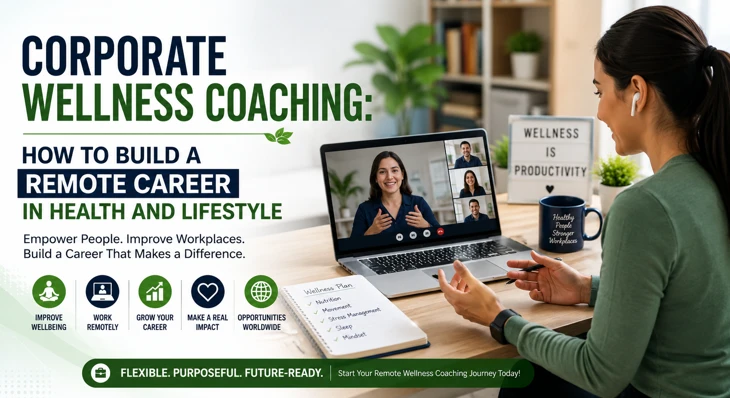
Corporate Wellness Coaching: How to Build a Remote Career in Health and Lifestyle
Corporate wellness coaching is quickly becoming one of the most meaningful and flexible career paths in the modern digital economy. As organizations prioritize employee wellbeing, stress management, and healthier lifestyles, the demand for skilled wellness professionals who can work remotely is growing faster than ever. This guide explores how to build a successful remote career in corporate wellness coaching, what skills you need, how to get started, and how to position yourself in a competitive but rewarding industry.Understanding Corporate Wellness Coaching in the Remote Era
Corporate wellness coaching focuses on improving employees’ physical, mental, and emotional wellbeing within an organization. Traditionally, this role was office-based, but the shift toward hybrid and remote work has changed everything. Today, companies are actively investing in virtual wellness programs, enabling coaches to work from anywhere while supporting global teams. Remote corporate wellness coaching typically includes:- Virtual fitness and lifestyle guidance sessions
- Stress management workshops
- Nutrition and healthy habit coaching
- Mental wellbeing and resilience training
- Productivity and work-life balance support
Why Remote Corporate Wellness Coaching is a Growing Career Path
The modern workplace is experiencing a major shift. Burnout, anxiety, and sedentary lifestyles have become common challenges for employees across industries. Companies now understand that employee wellbeing directly impacts productivity and retention. This is where remote wellness coaches step in.Increasing Demand for Workplace Wellbeing Solutions
Organizations are no longer viewing wellness as an optional benefit. Instead, it has become a core part of HR strategy. This has created opportunities for professionals offering online health coaching for employees and digital wellness programs.Flexibility and Global Opportunities
One of the biggest advantages of this career is flexibility. A remote wellness coach can work with clients across different countries without being tied to a physical office.Growing Corporate Investment in Health Programs
Companies are investing in structured corporate wellbeing programs that remote specialists can deliver efficiently. These programs often include mental health support, fitness challenges, and personalized coaching plans.Essential Skills Needed to Become a Remote Wellness Coach
Building a successful career in corporate wellness coaching requires more than just knowledge of health and fitness. It demands a mix of coaching skills, communication ability, and digital adaptability.Strong Communication Skills
Clear and empathetic communication is essential when guiding employees through lifestyle changes. Since most sessions are virtual, the ability to connect emotionally through screens is critical.Understanding of Health and Lifestyle Principles
A strong foundation in nutrition, exercise science, stress management, and behavioral psychology is important. Many professionals also pursue certifications in wellness coaching or health coaching.Digital Coaching Tools Expertise
Remote wellness coaches must be comfortable using:- Video conferencing platforms
- Wellness tracking apps
- Corporate wellness software
- Online assessment tools
Coaching and Motivational Techniques
The ability to inspire long-term behavior change is what separates good coaches from great ones. Techniques like goal setting, accountability tracking, and habit formation are widely used.How to Start a Remote Career in Corporate Wellness Coaching
Starting your journey in this field may feel overwhelming at first, but with a structured approach, it becomes much easier to navigate.Step 1: Build a Strong Knowledge Base
Begin by learning the fundamentals of health, fitness, and mental wellbeing. You can explore certifications in:- Health coaching
- Nutrition basics
- Stress management techniques
- Corporate wellness strategies
Step 2: Get Certified (Optional but Valuable)
While not always mandatory, certifications help build credibility. Many employers prefer certified professionals for corporate wellness coaching roles.Step 3: Develop a Remote Coaching Portfolio
Create sample coaching plans, wellness programs, or mock corporate workshops. This helps showcase your ability to design structured employee wellbeing programs.Step 4: Learn Digital Delivery Methods
Since this is a remote-first career, mastering virtual engagement is essential. Practice conducting workshops online, recording wellness sessions, and using interactive tools.Step 5: Start Freelancing or Apply to Wellness Platforms
Many professionals begin their journey through freelance platforms or corporate wellness providers. This helps build experience and client trust.Building a Strong Personal Brand as a Wellness Coach
In the digital world, your personal brand plays a huge role in career growth. Companies are more likely to hire coaches who demonstrate expertise and credibility online.Create Valuable Online Content
Sharing wellness tips, short videos, or blogs can help establish authority in the health coaching space.Position Yourself for Corporate Clients
Instead of targeting individual clients only, focus on organizations looking for remote wellness coaching solutions.Highlight Real-World Impact
Showcase how your coaching improves productivity, reduces stress, and enhances employee satisfaction.Tools and Platforms That Support Remote Wellness Coaching
Technology is the backbone of remote coaching careers. Using the right tools can significantly improve client engagement and program effectiveness. Common tools include:- Zoom or Microsoft Teams for sessions
- Wellness apps for tracking habits
- Google Workspace for documentation
- Corporate HR wellness platforms
Challenges in Remote Corporate Wellness Coaching
Like any career, this field comes with its own set of challenges.Maintaining Engagement Virtually
Keeping employees motivated in a remote setup can be difficult. Coaches must find creative ways to keep sessions interactive.Cultural and Workplace Differences
Working with global companies means adapting to different work cultures and expectations.Measuring Wellness Outcomes
Unlike physical coaching environments, remote setups rely heavily on self-reported data and digital tracking tools. Despite these challenges, the career remains highly rewarding and impactful.Real-Life Example of a Remote Wellness Coaching Career
Consider a wellness coach working with a global IT company. The coach conducts weekly virtual sessions focused on stress reduction, posture correction, and mindfulness practices. Over three months, employees report improved focus, reduced burnout, and better work-life balance. The company sees a noticeable improvement in productivity and employee satisfaction scores. This is a practical example of how remote wellness coaching creates real business value.Future of Corporate Wellness Coaching
The future of this profession is closely tied to the evolution of remote work and digital health solutions. We can expect:- More AI-powered wellness tracking tools
- Personalized employee wellness dashboards
- Increased demand for mental health-focused coaching
- Integration of wellness into daily corporate workflows