📚 Table of Contents
- Understanding Remote Radiology Assistance in Real Terms
- How the Entire Remote Radiology Workflow Actually Runs
- 1. Scans are uploaded in real time
- 2. Cases are assigned digitally
- 3. Remote assistants step in
- 4. Radiologists review and diagnose
- 5. Reports are delivered quickly
- Skills That Actually Matter in This Career Path
- Core skills you’ll rely on daily
- Technical comfort is equally important
- Educational background that helps
- Global Demand: Why Remote Radiology Jobs Are Growing Fast
- Common job roles you’ll find
- Real Benefits of Working in Remote Radiology Assistance
- You can work from almost anywhere
- The demand is steady and growing
- You get international exposure
- Better control over your schedule
- Challenges You Should Be Prepared For
- High precision is expected
- Patient data security is critical
- Time zones can feel tricky
- Technology dependence
- Tools That Power Remote Radiology Work
- Core platforms used daily
- What’s changing the game
- How You Can Start Your Career in Remote Radiology
- Build a strong foundation
- Future of Remote Radiology Assistance
- What’s coming next
- FAQs
- Is remote radiology assistance a good career option?
- Do I need to be a doctor to work in this field?
- What skills matter most in this job?
- Can I work internationally in this field?
- Is this field affected by AI?
- Conclusion
Remote Radiology Assistance: Global Career Opportunities You Can Explore Online
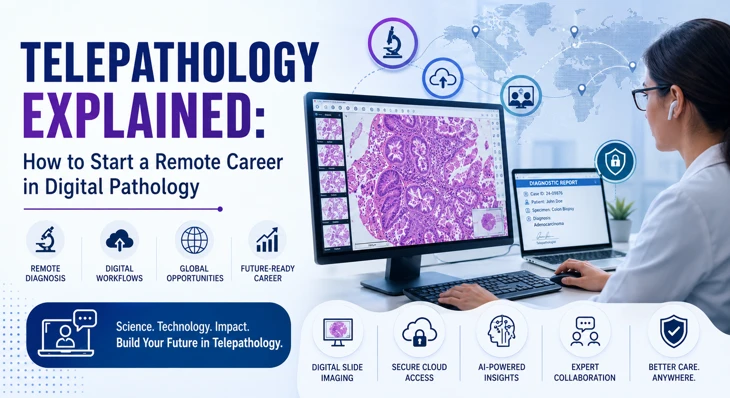
Remote radiology assistance is no longer a niche idea tucked inside hospital systems. It has become a practical, fast-growing career path that connects healthcare professionals across countries through digital platforms. As hospitals and diagnostic centers shift toward cloud-based imaging systems, the need for skilled remote support is rising quickly. What makes this field exciting is its balance of purpose and flexibility. You’re not just working with data—you’re indirectly contributing to faster diagnoses, better treatment decisions, and improved patient outcomes across the world, all without being physically present in a hospital. Let’s break it down in a simple, real-world way so you can understand where this career fits and how it actually works.Understanding Remote Radiology Assistance in Real Terms
At its core, remote radiology assistance involves supporting radiology teams by handling imaging data and workflow tasks via secure online systems. Think of it as the digital backbone that helps radiologists focus on diagnosis while everything else runs smoothly in the background. You’re working with medical images like X-rays, CT scans, and MRIs—but instead of sitting in a hospital control room, you’re accessing everything through secure software from anywhere in the world. In many cases, remote radiology support includes:- Organizing and sorting imaging files
- Checking scan quality before analysis
- Preparing case summaries for doctors
- Updating patient records in systems
- Coordinating communication between teams
How the Entire Remote Radiology Workflow Actually Runs
To understand the value of remote radiology assistance, you need to see how the workflow functions behind the scenes.1. Scans are uploaded in real time
Hospitals and diagnostic labs upload patient images into secure cloud-based systems. These platforms are designed to handle sensitive medical data safely.2. Cases are assigned digitally
Depending on urgency and complexity, cases are distributed to radiologists and support staff across different locations.3. Remote assistants step in
This is where remote radiology assistants play a key role. They ensure images are correctly labeled, properly sorted, and ready for interpretation. Sometimes they also flag incomplete or unclear scans.4. Radiologists review and diagnose
Medical experts analyze the scans, often collaborating with remote assistants for clarification or data verification.5. Reports are delivered quickly
Final reports are shared with hospitals or doctors so treatment decisions can be made without delay. This entire process helps reduce turnaround time, especially in emergency care situations where every minute matters.Skills That Actually Matter in This Career Path
You don’t need to be a doctor to enter this field, but you do need the right blend of healthcare understanding and digital confidence.Core skills you’ll rely on daily
- Basic understanding of medical imaging
- Familiarity with radiology terminology
- Strong attention to detail (this is non-negotiable)
- Ability to manage structured healthcare data
- Clear communication with medical teams
Technical comfort is equally important
- Working with PACS and RIS systems
- Navigating cloud-based medical tools
- Basic computer handling and fast data entry
- Awareness of patient data confidentiality rules
Educational background that helps
People often enter this field through:- Radiology or medical imaging diplomas
- Allied health science programs
- Healthcare administration studies
- Medical technician training
Global Demand: Why Remote Radiology Jobs Are Growing Fast
Healthcare systems around the world are under pressure to deliver faster diagnostic services. At the same time, there is a shortage of radiology professionals in many regions. This gap is exactly what remote radiology assistance helps fill. Countries like the US, UK, Canada, and Australia are actively expanding their remote diagnostic networks. At the same time, companies in India, Southeast Asia, and the Middle East are becoming major contributors to global radiology support services.Common job roles you’ll find
- Remote Radiology Assistant
- Imaging Workflow Coordinator
- Teleradiology Support Executive
- Medical Imaging Data Handler
- Radiology Operations Assistant
Real Benefits of Working in Remote Radiology Assistance
This career is gaining attention for a reason—it offers a rare combination of healthcare impact and personal flexibility.You can work from almost anywhere
As long as you have a secure system and a stable internet connection, you can contribute to global healthcare operations.The demand is steady and growing
Medical imaging is not slowing down. In fact, it’s increasing every year due to improved diagnostics and greater awareness of preventive healthcare.You get international exposure
Working with global teams improves your understanding of healthcare systems and professional standards.Better control over your schedule
Many remote setups offer shift-based flexibility, which helps maintain work-life balance.Challenges You Should Be Prepared For
Like any healthcare-related role, remote radiology assistance comes with responsibility.High precision is expected
Even small mistakes in data handling can affect diagnosis accuracy, so consistency is key.Patient data security is critical
You’ll be handling sensitive information that must always remain protected.Time zones can feel tricky
If you’re working with international teams, your working hours may not always match your local routine.Technology dependence
A stable internet connection and reliable systems are not optional—they’re essential.Tools That Power Remote Radiology Work
This field runs on technology, and knowing the right systems makes everything run more smoothly.Core platforms used daily
- PACS (Picture Archiving and Communication System)
- RIS (Radiology Information System)
- Secure cloud imaging platforms
- Hospital communication portals
What’s changing the game
Artificial intelligence is increasingly being used to detect patterns in scans. Rather than replacing human work, it supports radiologists by highlighting areas that may require closer review. Remote assistants often work alongside these tools to validate and organize findings.How You Can Start Your Career in Remote Radiology
If you’re serious about entering this field, the path is more structured than it looks.Build a strong foundation
Start with a diploma or degree in radiology, imaging technology, or allied healthcare. Learn how imaging systems like PACS and RIS actually work in practice. Internships in hospitals or diagnostic centers make a huge difference in understanding workflows. Focus on data handling, accuracy, and communication in medical environments. Start with support positions in telehealth companies or diagnostic outsourcing firms. Progress in this field is skill-driven, not just experience-driven.Future of Remote Radiology Assistance
The future of this field is closely tied to digital healthcare transformation. And everything points toward expansion.What’s coming next
- More AI-assisted diagnostics
- Fully cloud-based hospital ecosystems
- Faster global radiology collaboration
- Expansion of telehealth infrastructure
- Real-time remote imaging analysis