📚 Table of Contents
- What Remote Occupational Therapy Consulting Really Looks Like Today
- Why Remote Occupational Therapy Consulting Is Growing So Quickly
- People Want Care Without Disruption
- Technology Finally Makes Sense for Healthcare
- Therapists Want More Control Over Their Time
- Care Is Becoming More Accessible
- Career Paths in Remote Occupational Therapy Consulting
- Virtual Clinical Occupational Therapist
- Pediatric Remote OT Work
- Corporate Ergonomics Consultant
- Telehealth Program Roles
- Independent Remote Practice
- Skills That Actually Matter in Remote Occupational Therapy Consulting
- You Still Need Strong Clinical Thinking
- Communication Becomes Everything
- Comfort With Digital Tools
- Flexibility in Real Situations
- Staying Organized
- Tools That Make Remote Occupational Therapy Possible
- Growth Opportunities in Remote Occupational Therapy Consulting
- Working Across Borders
- Specialization Is Expanding Fast
- Building Independent Brands
- Partnerships With Healthcare Platforms
- Continuous Learning Is Easier Than Ever
- Challenges You Should Be Aware Of
- Some Techniques Still Need Physical Support
- Clients May Struggle With Technology
- Privacy Matters More Than Ever
- Rules Vary by Region
- How People Usually Start in This Field
- Step 1: Get Qualified Properly
- Step 2: Work in Traditional Settings First
- Step 3: Learn the Online Systems
- Step 4: Build a Small Online Presence
- Step 5: Slowly Transition Online
- A Simple Real-Life Example
- FAQs
- What is remote occupational therapy consulting?
- Is it actually effective?
- Do you need special training for this?
- Can therapists work independently online?
- What is the biggest challenge in this field?
- Conclusion
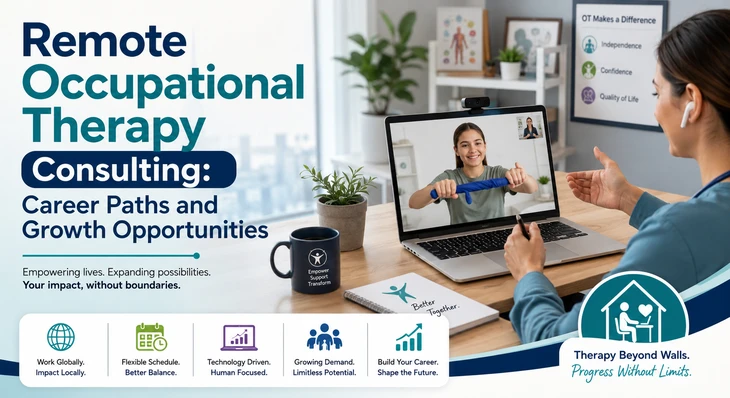
Remote Occupational Therapy Consulting: Career Paths and Growth Opportunities
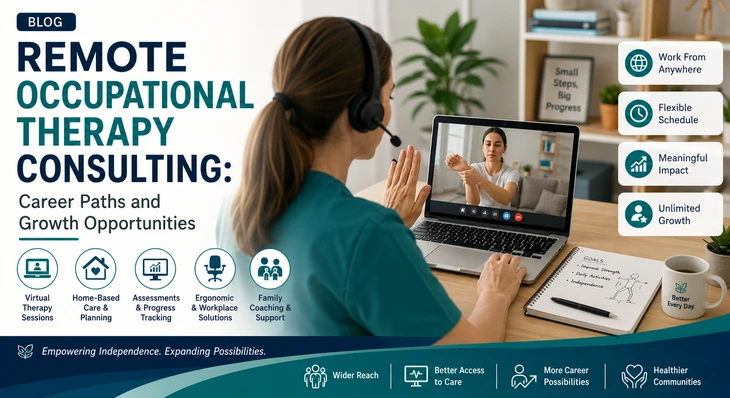
Remote occupational therapy consulting has quietly become one of the most practical shifts in modern healthcare. Not in a flashy way, but in a real, everyday sense—where therapists are now connecting with clients through screens, adjusting routines from miles away, and still helping people regain independence in meaningful ways. What used to feel like a strict clinic-based profession is now something far more flexible. And honestly, that flexibility is what’s pulling more professionals toward it each year. This guide breaks down what the field actually looks like today, how careers are shaping up, and why remote occupational therapy consulting is becoming a long-term direction rather than a temporary trend.What Remote Occupational Therapy Consulting Really Looks Like Today
If you strip away the technical terms, remote occupational therapy consulting is simply therapy delivered via digital tools rather than in-person visits. But the real experience is much more human than that definition sounds. A therapist might be sitting at home, guiding a client through simple daily tasks over a video call—watching how they hold a pencil, move around their kitchen, or manage routine activities after an injury or condition. It’s not disconnected at all. In fact, in some cases, it feels even more personal because therapists are literally stepping into the client’s home environment virtually. A typical session may involve:- Watching how a person manages daily routines in real time
- Guiding rehabilitation exercises step by step over video
- Adjusting therapy plans based on what’s visible in the home setup
- Talking through challenges in simple, practical language
- Following up regularly to track small but steady improvements
Why Remote Occupational Therapy Consulting Is Growing So Quickly
This shift didn’t happen overnight. It’s the result of a few very practical changes in how healthcare and work now function.People Want Care Without Disruption
Most clients don’t want therapy to take over their entire day. Traveling to clinics, waiting for appointments, arranging transport—it all adds up. Remote sessions remove most of that friction. People can now get support without having to rearrange their entire routine.Technology Finally Makes Sense for Healthcare
A few years ago, virtual care felt clunky. Now, it’s stable, secure, and easy to use. Video calls don’t lag as much, data is stored safely, and therapists can track progress digitally without losing detail.Therapists Want More Control Over Their Time
Many occupational therapists are choosing remote consulting because it gives them breathing room. Less commuting, fewer location constraints, and more control over their schedules.Care Is Becoming More Accessible
Someone living in a small town or remote area can now access the same level of expertise as someone in a major city. That alone is changing the entire reach of occupational therapy.Career Paths in Remote Occupational Therapy Consulting
One interesting thing about this field is that there isn’t just one way to grow. Different professionals end up building very different careers depending on their strengths and interests.Virtual Clinical Occupational Therapist
This is the most direct path. You continue doing what occupational therapists already do—but online. Day-to-day work often includes:- Running virtual assessments with clients
- Creating structured therapy plans
- Monitoring recovery progress over time
- Collaborating with families, caregivers, or doctors through digital platforms
Pediatric Remote OT Work
Working with children remotely can seem challenging at first, but in practice it often works surprisingly well—especially when parents are actively involved. In these sessions, therapists often:- Guide parents in simple home-based therapy activities
- Use play-based learning methods through video calls
- Help children improve motor skills, focus, or sensory responses
Corporate Ergonomics Consultant
This is a growing space that many people don’t immediately think about. Companies now hire occupational therapy consultants to improve workplace comfort and reduce physical strain—especially as remote work becomes the norm. Work usually involves:- Checking home office setups over video calls
- Suggesting posture and workstation improvements
- Helping reduce repetitive strain injuries
Telehealth Program Roles
Some professionals move away from direct sessions and focus more on systems and program design. They help organizations build better remote therapy structures, train teams, and ensure everything runs smoothly behind the scenes.Independent Remote Practice
This is where experienced therapists often land eventually. It gives them freedom to:- Work with clients across different regions
- Set their own schedule
- Specialize in specific areas like rehab, mental health, or pediatrics
Skills That Actually Matter in Remote Occupational Therapy Consulting
This isn’t just about clinical knowledge anymore. Remote work changes how everything is delivered.You Still Need Strong Clinical Thinking
That part never changes. Understanding conditions, recovery patterns, and therapy planning is still the foundation.Communication Becomes Everything
Since you’re not physically present, how you explain things matters a lot more. Instructions need to be simple, clear, and easy to follow without confusion.Comfort With Digital Tools
From video platforms to digital record systems, technology becomes part of your daily routine. It doesn’t need to be complicated—but it does need to feel natural.Flexibility in Real Situations
Not every client has the same home setup or equipment. Sometimes you have to adjust plans on the spot based on what’s available.Staying Organized
Remote work sounds relaxed, but it actually requires structure. Managing multiple clients, schedules, and follow-ups requires consistency.Tools That Make Remote Occupational Therapy Possible
Behind every smooth session is a set of tools doing the heavy lifting.- Video platforms that support real-time interaction
- Digital assessment forms for tracking progress
- Cloud systems for storing client records safely
- Wearable devices that sometimes track movement or posture
Growth Opportunities in Remote Occupational Therapy Consulting
This is where things get exciting, because the field is still expanding.Working Across Borders
Therapists are no longer limited by geography. One professional can now work with clients from multiple countries, expanding both experience and opportunities.Specialization Is Expanding Fast
Some of the growing focus areas include:- Neurological rehabilitation
- Elderly care support
- Pediatric development
- Mental health-focused occupational therapy