📚 Table of Contents
- Understanding the Gig Economy
- Why Gig Work Appeals to Women
- Flexible Working Hours
- Work From Anywhere Opportunities
- Financial Independence
- The Rise of Women Entrepreneurs in the Gig Economy
- Building Online Businesses
- Turning Skills Into Income
- How Digital Platforms Are Supporting Women Globally
- Access to International Clients
- Skill Development and Career Growth
- Increased Confidence and Independence
- Real-Life Examples of Women Benefiting From Gig Work
- Freelance Writers and Content Creators
- Women in E-Commerce
- Online Educators and Tutors
- Challenges Women Still Face in the Gig Economy
- Income Instability
- Lack of Benefits and Job Security
- Gender Bias and Pay Gaps
- Digital Access Limitations
- How Companies and Governments Can Support Women Gig Workers
- Providing Digital Skills Training
- Improving Access to Technology
- Creating Fairer Work Policies
- The Future of Gig Work for Women
- Why Gig Work Matters Beyond Income
- Conclusion
- FAQs
- What is gig work?
- How does gig work empower women?
- What are the best gig jobs for women?
- Can women earn a full-time income through gig work?
- What challenges do women face in the gig economy?
- Is the gig economy growing globally?
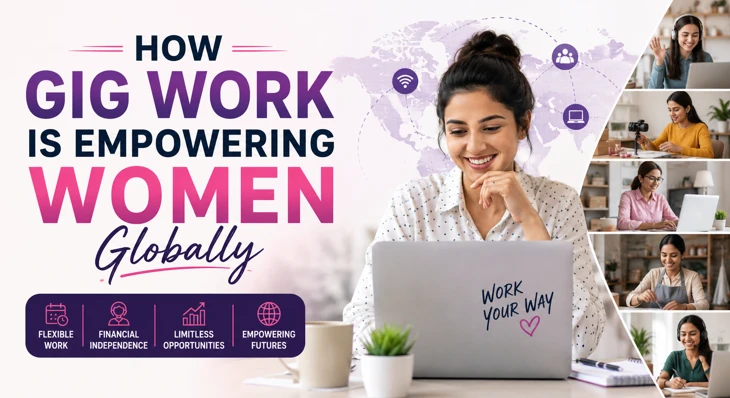
How Gig Work Is Empowering Women Globally
The way people work is changing faster than ever. Traditional nine-to-five jobs are no longer the only path to earning a living, building a career, or gaining financial independence. Across the world, millions of women are turning to gig work to create opportunities that fit their lifestyles, responsibilities, and personal goals. From freelance writing and graphic design to ride-sharing, online tutoring, virtual assistance, and handmade product businesses, the gig economy has opened doors that once seemed out of reach. Women who previously struggled with limited job options, rigid schedules, workplace discrimination, or caregiving responsibilities are now finding flexible ways to earn income on their own terms. Gig work is not just about helping women make money. It is helping them gain confidence, develop skills, support families, and participate more actively in the global economy. In many regions, it is also creating opportunities for women in rural areas or underserved communities who once had very limited access to traditional employment. As digital platforms continue to grow, the future of work is becoming more flexible, remote, and skill-driven. Women around the world are leading this transformation in powerful ways.Understanding the Gig Economy
The gig economy refers to a labor market in which people work independently rather than being permanently employed by a single company. These jobs are often temporary, project-based, freelance, or contract-driven. Today, gig work includes a wide variety of industries and services, such as:- Freelance content writing
- Graphic design and web development
- Online tutoring
- Delivery services
- Social media management
- Virtual assistance
- E-commerce businesses
- Consulting and coaching
- Home-based beauty and wellness services
- Craft and handmade product sales
Why Gig Work Appeals to Women
Women often balance multiple responsibilities at the same time. Career ambitions, childcare, household management, elder care, and personal goals can create challenges in traditional work settings. Gig work offers an alternative that allows women to create schedules that fit their lives rather than forcing their lives to fit work.Flexible Working Hours
One of the biggest advantages of freelance and gig work for women is the flexibility of scheduling. Many women choose when and how much they work. For example, a mother may work as a freelance graphic designer while her children are at school. Another woman may teach English online during evenings while managing a family business during the day. This level of control gives women more freedom to maintain both personal and professional responsibilities without sacrificing one for the other.Work From Anywhere Opportunities
Remote gig jobs for women have expanded dramatically in recent years. A stable internet connection can now connect workers to global opportunities. Women living in smaller towns or rural communities are no longer restricted by local job markets. They can offer services to clients in major cities or even different countries. This is especially important in regions where transportation, safety concerns, or cultural expectations may limit women's mobility.Financial Independence
Financial independence changes lives. Gig work allows women to earn income directly, manage their own finances, and contribute to household stability. In many families, women use freelance income to:- Pay for education
- Support children
- Cover healthcare expenses
- Save for emergencies
- Invest in businesses
- Build long-term financial security
The Rise of Women Entrepreneurs in the Gig Economy
The gig economy is not limited to freelancers completing short-term projects. Many women are using gig platforms to build full-scale businesses. Social media and e-commerce tools have made entrepreneurship more accessible than ever before.Building Online Businesses
Women around the world are launching home-based businesses with relatively low startup costs. Some run online boutiques, while others offer coaching services, digital products, or creative services. For example, a stay-at-home mother with baking skills can promote homemade cakes through Instagram and local delivery apps. A teacher can create online courses and sell them globally. These opportunities allow women to monetize skills that traditional job markets may overlook.Turning Skills Into Income
Many women already possess valuable skills through education, hobbies, or life experience. The gig economy gives them a platform to turn those skills into income. Some popular skills women monetize through gig work include:- Writing and editing
- Photography
- Translation
- Teaching
- Digital marketing
- Handmade crafts
- Fashion design
- Video editing
- Accounting and bookkeeping
- Customer support
How Digital Platforms Are Supporting Women Globally
Digital platforms have become powerful tools for economic inclusion. Women who once lacked access to formal employment can now participate in global markets with fewer barriers.Access to International Clients
Freelancing platforms allow women to work with businesses worldwide. This creates access to better-paying opportunities and a broader client base. A freelance writer in India can work with companies in the United States. A virtual assistant in Kenya can support entrepreneurs in Europe. A designer in the Philippines can collaborate with startups in Australia. This global connectivity has helped many women increase their income beyond what local job markets might offer.Skill Development and Career Growth
Many gig workers continuously learn new skills to remain competitive. Women in the gig economy often develop expertise in communication, marketing, technology, project management, and business operations. Online learning platforms also make it easier to improve skills at an affordable cost. As a result, gig work is not only generating income but also creating long-term career development opportunities.Increased Confidence and Independence
Economic empowerment often leads to personal empowerment. Women who successfully manage clients, projects, and businesses frequently gain greater confidence in decision-making and leadership. For some, gig work becomes the first step toward larger ambitions, such as launching startups, building agencies, or becoming industry experts.Real-Life Examples of Women Benefiting From Gig Work
The impact of gig work can be seen across many different industries and regions.Freelance Writers and Content Creators
Thousands of women now work remotely as freelance writers, bloggers, social media managers, and video creators. Many started with part-time projects and gradually built full-time careers. Some now run successful content agencies or personal brands. This type of work is especially attractive because it often requires minimal startup investment.Women in E-Commerce
Online marketplaces have helped women sell handmade crafts, clothing, beauty products, and customized goods to global customers. A small home-based business can grow significantly through social media marketing and online stores. In several developing countries, women artisans are using digital platforms to reach international buyers for the first time.Online Educators and Tutors
Online education has created flexible teaching opportunities for women worldwide. Women with expertise in languages, academics, music, coding, or professional skills can teach students remotely. This has become particularly popular among women seeking flexible remote work options while balancing family responsibilities.Challenges Women Still Face in the Gig Economy
Although gig work creates opportunities, it is not without challenges. Women in the gig economy still face barriers that need attention.Income Instability
Freelance work can be unpredictable. Some months bring multiple projects, while others may be slower. Without stable salaries or employee benefits, many gig workers must manage irregular income carefully. This uncertainty can be stressful, especially for women supporting families.Lack of Benefits and Job Security
Traditional jobs often provide benefits such as healthcare, paid leave, and retirement plans. Gig workers usually need to arrange these independently. As gig work continues to grow, many experts believe governments and companies will need to create stronger protections and support systems for independent workers.Gender Bias and Pay Gaps
Gender inequality still exists in many freelance industries. Some women experience lower pay rates, fewer leadership opportunities, or difficulty accessing high-value projects. However, many women are actively addressing these issues by building networks, improving negotiation skills, and creating women-focused business communities.Digital Access Limitations
Not every woman has equal access to technology, reliable internet, or digital education. In some parts of the world, limited access to devices and training still creates barriers to entering the gig economy. Expanding digital literacy and internet access remains essential for creating equal opportunities.How Companies and Governments Can Support Women Gig Workers
Supporting women in the gig economy requires collaboration between businesses, governments, and communities.Providing Digital Skills Training
Affordable digital education programs can help women learn in-demand skills such as coding, marketing, content creation, and financial management. Training programs are especially valuable in underserved communities where traditional employment opportunities are limited.Improving Access to Technology
Providing affordable internet access and digital tools can significantly increase opportunities for women. Access to technology is no longer a luxury. It has become essential for participation in the modern workforce.Creating Fairer Work Policies
Governments and platforms can introduce policies that support fair pay, safer working conditions, and financial protections for gig workers. This may include:- Better payment systems
- Legal protections
- Access to healthcare programs
- Financial literacy support
- Parental support initiatives
The Future of Gig Work for Women
The future of work is becoming increasingly digital and flexible. As remote work technology improves, women are likely to continue playing a major role in the global gig economy. Artificial intelligence, automation, and online collaboration tools are changing how businesses operate. This shift creates both opportunities and challenges. Women who continue to develop digital skills and adapt to new trends will likely benefit the most. Several industries are expected to create strong future opportunities for women freelancers, including:- Digital marketing
- Online education
- E-commerce management
- Healthcare support services
- Creative design
- Tech support and development
- Content creation
- Virtual business management