📚 Table of Contents
- Understanding the Rise of Remote Work Opportunities
- Why Remote Work Helps Reduce Unemployment
- Access to Global Job Markets
- Lower Costs for Employers and Employees
- Faster Hiring Processes
- The Role of Freelancing in Fighting Unemployment
- Remote Work Creates Opportunities for Skill Development
- Work Flexibility Improves Productivity and Mental Well-Being
- Remote Work Benefits Small Businesses and Startups
- Digital Careers Are More Future-Proof
- Technology and Software
- Digital Marketing
- E-Learning and Online Education
- Creative Services
- How Remote Work Supports Women and Caregivers
- Remote Work Encourages Entrepreneurship
- Common Challenges of Remote Work and How to Overcome Them
- Communication Barriers
- Time Management Issues
- Feelings of Isolation
- Internet and Technical Problems
- Best Skills to Learn for Remote Jobs
- Tips for Finding Legitimate Remote Jobs
- The Future of Employment Is Remote and Digital
- Conclusion
Why Remote Work Is the Smartest Path to Overcome Unemployment
Unemployment has become one of the biggest challenges in today’s fast-changing economy. Many skilled professionals struggle to find stable jobs, while fresh graduates often face intense competition in traditional hiring markets. At the same time, businesses are changing how they operate, with more companies embracing flexible and digital work models. This shift has created a powerful opportunity for job seekers worldwide. What once seemed like a short-term workplace shift has now become part of everyday professional life. More companies are building remote teams because they have seen that employees can perform effectively from anywhere while businesses continue to grow. From freelance projects to full-time remote positions, online work opportunities continue to expand across industries such as technology, marketing, customer support, education, healthcare, design, and finance. For people struggling to find steady employment, remote work creates opportunities that were difficult to access only a few years ago. It expands access to global companies, reduces job-search limitations, improves work-life balance, and allows professionals to build long-term careers without relying on local job markets.Understanding the Rise of Remote Work Opportunities
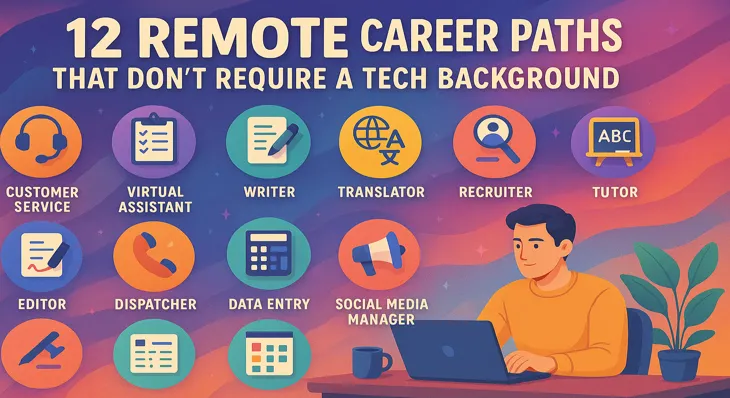
Work culture has changed dramatically over the last few years. Companies have realized that productivity is not limited to physical offices. As internet access, cloud-based tools, and communication platforms improve, organizations are increasingly hiring remote employees from different cities and countries. As a result, many professionals who once had limited career options can now apply for jobs that match their skills without moving to another city or country. Businesses now focus more on skills and performance rather than location. Some of the most in-demand remote jobs include:- Digital marketing specialists
- Content writers
- Graphic designers
- Virtual assistants
- Software developers
- Customer support executives
- Online tutors
- Data analysts
- Social media managers
- Video editors
Why Remote Work Helps Reduce Unemployment
Access to Global Job Markets
A major benefit of working remotely is the freedom to search for jobs beyond local markets. In traditional employment, people are limited to opportunities available in their local area. This becomes difficult in regions with fewer industries or slow economic growth. Remote jobs remove geographical barriers. A skilled worker in a small town can now work for companies based in another country without relocating. This wider access significantly improves employment chances for:- Fresh graduates
- Stay-at-home parents
- People living in rural areas
- Individuals with disabilities
- Professionals returning after career breaks
Lower Costs for Employers and Employees
Companies save money by hiring remote workers because they spend less on office space, utilities, and infrastructure. As a result, many organizations are more willing to expand their teams and hire additional employees remotely. Employees also benefit financially. Remote work reduces:- Daily commuting expenses
- Relocation costs
- Food and transportation expenses
- Professional wardrobe spending
Faster Hiring Processes
Traditional hiring often involves multiple in-person interviews, paperwork, and long waiting periods. Remote hiring is usually faster because companies use digital recruitment systems and online interviews. Job seekers can apply to multiple companies quickly, increasing their chances of getting hired within a shorter period. This fast-paced hiring environment is especially beneficial for unemployed individuals who need immediate earning opportunities.The Role of Freelancing in Fighting Unemployment
Freelancing has quietly become a reliable source of income for millions of people around the world. Many professionals now earn stable incomes by offering services online rather than relying solely on full-time jobs. Popular freelance services include:- Content writing
- SEO services
- Web development
- Graphic design
- Translation
- Video production
- Online consulting
- Email marketing
- Bookkeeping
Remote Work Creates Opportunities for Skill Development
Remote work also encourages people to improve their skills regularly because digital industries continue evolving quickly. Remote professionals often use digital tools and online platforms that help them improve valuable modern skills such as:- Communication
- Time management
- Project coordination
- Digital marketing
- Collaboration software usage
- Problem-solving
- Technical proficiency
Work Flexibility Improves Productivity and Mental Well-Being
Long commutes, office stress, and rigid schedules can negatively impact employee performance and mental health. Remote work allows professionals to create more flexible routines that suit their lifestyle and productivity patterns. People who work remotely often notice several positive changes in their daily routine, including:- Better concentration
- Reduced stress levels
- Improved work-life balance
- Higher job satisfaction
- Increased motivation
Remote Work Benefits Small Businesses and Startups
Small businesses and startups often operate with limited budgets. Hiring remote workers allows them to access affordable talent without major infrastructure investments. This creates additional employment opportunities because startups can scale their teams more easily. As remote business models continue growing, more companies are expected to hire professionals for:- Customer support
- Administrative assistance
- Marketing campaigns
- Technical support
- Content creation
- Data management
Digital Careers Are More Future-Proof
Technology is reshaping nearly every industry, and many traditional job roles are evolving faster than before. Some office-based and manual jobs are declining, while digital careers continue growing. Remote work is closely connected to the digital economy, making it one of the most future-ready employment options available today. Industries with strong remote work potential include:Technology and Software
Software development, cybersecurity, app development, and cloud computing continue to experience high demand globally.Digital Marketing
Businesses need online visibility, creating opportunities for SEO specialists, social media experts, and content marketers.E-Learning and Online Education
Online tutoring and virtual learning platforms have created thousands of teaching and training opportunities.Creative Services
Designers, video editors, animators, and content creators can work remotely for clients worldwide. Choosing remote-friendly careers helps professionals stay relevant in evolving job markets.How Remote Work Supports Women and Caregivers
Many talented individuals struggle to maintain traditional jobs because of caregiving responsibilities. Remote work provides flexibility that allows people to balance personal and professional commitments more effectively. Women returning to work after maternity breaks, caregivers supporting family members, and individuals managing household responsibilities can all benefit from remote employment opportunities. This inclusivity helps increase workforce participation and reduces unemployment among groups that often face hiring challenges.Remote Work Encourages Entrepreneurship
Remote work is not limited to traditional employment. Many professionals eventually use their experience to start independent businesses or online services. Many professionals start remote careers as freelancers and eventually build agencies, consulting businesses, or online brands. This creates additional employment opportunities for others. Examples include:- Digital marketing agencies
- Virtual assistant businesses
- Online coaching services
- E-commerce stores
- Content production companies
Common Challenges of Remote Work and How to Overcome Them
Although remote work offers many advantages, it also comes with challenges. Understanding these issues helps professionals prepare effectively.Communication Barriers
Remote teams rely heavily on online communication tools. Poor communication can lead to misunderstandings. Solution: Use clear messaging, regular meetings, and collaboration platforms to stay connected.Time Management Issues
Working from home may lead to distractions if routines are not properly managed. Solution: Create a dedicated workspace and maintain structured working hours.Feelings of Isolation
Some remote workers may feel disconnected from colleagues. Solution: Participate in virtual meetings, online communities, and professional networking events.Internet and Technical Problems
Reliable internet access is essential for remote jobs. Solution: Invest in stable internet services and basic backup solutions when possible. By addressing these challenges early, remote professionals can build successful long-term careers.Best Skills to Learn for Remote Jobs
People searching for remote employment should focus on skills that remain in demand across industries. Some highly valuable remote work skills include:- Search engine optimization (SEO)
- Content writing
- Social media marketing
- Graphic design
- Web development
- Video editing
- Data analysis
- Customer relationship management
- Copywriting
- AI tool management
Tips for Finding Legitimate Remote Jobs
As remote work grows, job seekers should also stay cautious of scams and low-quality opportunities. Follow these best practices when searching for remote jobs:- Use trusted job platforms
- Research companies before applying
- Avoid jobs asking for upfront payments
- Build a professional resume and portfolio
- Customize applications for each role
- Improve LinkedIn and online profiles
- Learn interview skills for virtual hiring