📚 Table of Contents
- Why Remote Work Continues to Grow Worldwide
- Technology Has Made Remote Collaboration Easier
- Employees Want Flexible Work Arrangements
- The Positive Impact of Remote Work on Daily Life
- Less Time Spent Commuting
- Better Control Over Daily Schedules
- More Opportunities for Personal Well-Being
- Challenges Remote Workers Commonly Face
- Difficulty Disconnecting From Work
- Isolation and Reduced Social Interaction
- Increased Risk of Overworking
- How Businesses Are Adapting to Remote Work Culture
- The Rise of Hybrid Work Models
- Companies Are Expanding Global Hiring
- Greater Investment in Employee Wellness
- The Influence of Remote Work on Global Lifestyle Trends
- The Growth of Digital Nomad Lifestyles
- Smaller Cities Are Becoming More Attractive
- Work Performance Is Becoming More Results-Focused
- Practical Tips for Maintaining a Healthy Work-Life Balance
- Create a Dedicated Workspace
- Set Clear Working Hours
- Take Regular Breaks During the Day
- Maintain Social Interaction
- Focus on Physical and Mental Wellness
- The Future of Remote Work and Work-Life Balance
- Conclusion
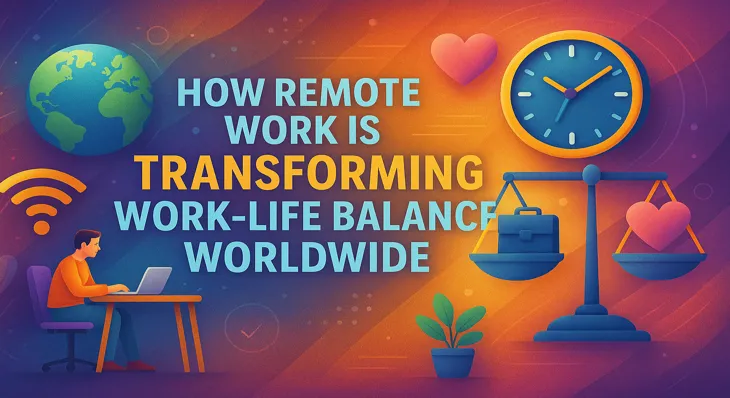
How Remote Work Is Transforming Work-Life Balance Worldwide
A few years ago, remote work was often viewed as a workplace perk offered by a limited number of companies. Today, it has become a major part of global business culture. Professionals across industries are no longer tied to a traditional office setting, and companies are rethinking how productivity, flexibility, and employee satisfaction should work together. From tech startups in Asia to multinational corporations in Europe and North America, businesses are embracing flexible work environments at an unprecedented pace. Employees are also changing the way they define career success. Many now value flexibility, mental well-being, and personal time just as much as salary and job titles. This shift has created a worldwide conversation about work-life balance. While remote work has opened the door to better schedules and improved lifestyle choices, it has also introduced new challenges that affect productivity, communication, and emotional well-being. Understanding how remote work is reshaping modern life helps businesses build stronger teams and allows professionals to create healthier routines that support long-term success.Why Remote Work Continues to Grow Worldwide
Remote work is no longer limited to freelancers or digital entrepreneurs. Companies in industries such as finance, education, customer service, marketing, software development, and consulting now regularly hire remote employees. Several changes in the global workforce have contributed to this transition.Technology Has Made Remote Collaboration Easier
Digital communication platforms have completely changed the way businesses operate. Employees can now join meetings, manage projects, share files, and communicate with clients from almost anywhere. Cloud-based systems and collaboration software allow teams to stay connected without needing to work from the same physical office. Businesses are increasingly investing in:- Virtual communication tools
- Online project management platforms
- Cloud storage systems
- Secure remote access technology
- Video conferencing software
Employees Want Flexible Work Arrangements
Modern professionals are placing more importance on flexibility and lifestyle balance. Many workers actively search for companies that support remote or hybrid work opportunities. Search trends related to topics such as:- How to improve work-life balance while working remotely
- benefits of flexible work schedules
- remote work opportunities for professionals
- healthy work from home routines
- productivity tips for remote employees
The Positive Impact of Remote Work on Daily Life
Remote work has transformed everyday routines for millions of people around the world. Employees are finding new ways to balance professional responsibilities with personal priorities.Less Time Spent Commuting
One of the biggest lifestyle changes remote employees notice is the disappearance of long daily commutes. For office workers in major cities, commuting can take several hours every week. Traffic congestion, crowded transportation systems, and long travel times often increase stress before the workday even begins. Working from home allows employees to use that time more effectively. Instead of sitting in traffic, many professionals now spend more time:- Exercising in the morning
- Preparing healthier meals
- Helping children before school
- Resting and sleeping longer
- Learning new skills
Better Control Over Daily Schedules
Remote work often gives employees greater control over how they structure their day. Some professionals work best early in the morning, while others feel more productive later in the day. Flexible scheduling allows employees to organize work around their natural productivity levels. This flexibility can be especially helpful for:- Parents managing childcare
- Students balancing education and work
- Caregivers supporting family members
- Freelancers handling multiple clients
- Professionals building side businesses
More Opportunities for Personal Well-Being
Many remote workers have started paying more attention to physical and mental wellness. Without daily commuting pressure, people often find more time for healthy habits such as exercise, meditation, outdoor walks, or spending time with family. Some employees also report improvements in:- Sleep quality
- Stress management
- Emotional well-being
- Work focus
- Family relationships
Challenges Remote Workers Commonly Face
Although remote work offers many benefits, it also comes with difficulties that can affect long-term work-life balance. Businesses and employees must recognize these challenges early to create healthier working environments.Difficulty Disconnecting From Work
One of the most common problems with remote work is the inability to separate work from personal life. When the office exists inside the home, many employees feel pressure to remain available at all times. Notifications, emails, and messages can continue long after working hours have ended. Over time, this can lead to:- Mental fatigue
- Burnout
- Reduced concentration
- Poor sleep habits
- Emotional exhaustion
Isolation and Reduced Social Interaction
Traditional office environments naturally create social interaction throughout the day. Remote employees, however, may spend long periods working alone. For some people, this lack of face-to-face communication can create feelings of loneliness or disconnection. Businesses are responding by encouraging:- Virtual team meetings
- Online collaboration sessions
- Hybrid work schedules
- Digital employee engagement activities
- Regular manager check-ins
Increased Risk of Overworking
Many remote workers unintentionally work longer hours than they did in traditional offices. Without a clear separation between home and work, employees sometimes continue working late into the evening. This issue is becoming more common in industries where performance is heavily tied to online availability. Companies that promote a healthy remote work culture often encourage:- Realistic workloads
- Flexible scheduling
- Mandatory breaks
- Wellness initiatives
- Respect for personal time
How Businesses Are Adapting to Remote Work Culture
Organizations worldwide are redesigning workplace strategies to support modern work expectations. The companies adapting most successfully are focusing on flexibility, communication, and employee well-being.The Rise of Hybrid Work Models
Many businesses are choosing hybrid work structures rather than fully remote or fully office-based models. Hybrid models allow employees to split time between working remotely and attending the office when necessary. This approach offers several advantages:- Better flexibility for employees
- Improved collaboration opportunities
- Reduced office operating costs
- Stronger employee retention
- Better work-life balance support
Companies Are Expanding Global Hiring
Remote work has made it easier for businesses to hire employees from different countries and regions. Instead of limiting recruitment to one city, companies can now search for talent worldwide. This shift has created new opportunities for professionals who previously had limited access to international careers. Global hiring allows businesses to:- Build diverse teams
- Access specialized skills
- Reduce recruitment limitations
- Support around-the-clock operations
Greater Investment in Employee Wellness
Companies are beginning to recognize that employee well-being directly affects productivity and retention. As a result, many organizations are introducing wellness programs specifically designed for remote workers. Common initiatives now include:- Mental health support services
- Flexible leave policies
- Online fitness programs
- Wellness stipends
- Virtual social events
The Influence of Remote Work on Global Lifestyle Trends
The growth of remote work is influencing more than workplace culture. It is also changing where people live, travel, and build their careers.The Growth of Digital Nomad Lifestyles
Many professionals now work while traveling between different cities or countries. This lifestyle, often associated with digital nomads, has become increasingly popular among remote workers seeking greater freedom and flexibility. Countries around the world are introducing remote-work visas to attract international professionals who contribute to local economies while working remotely. Coworking spaces, short-term rentals, and remote work communities have also expanded rapidly in response to this trend.Smaller Cities Are Becoming More Attractive
Because employees no longer need to live close to large office buildings, many are moving to smaller cities or suburban areas. This shift is often motivated by:- Lower living costs
- Better housing options
- Reduced traffic congestion
- Improved quality of life
- Access to quieter environments
Work Performance Is Becoming More Results-Focused
Traditional office culture often measured productivity through attendance and visible activity. Remote work has encouraged companies to focus more on actual results and completed work. Managers are increasingly evaluating employees based on:- Project outcomes
- Communication quality
- Team collaboration
- Goal achievement
- Problem-solving abilities
Practical Tips for Maintaining a Healthy Work-Life Balance
Remote work can improve quality of life, but balance requires intentional habits. Professionals who create healthy routines often find it easier to stay productive without becoming overwhelmed.Create a Dedicated Workspace
Having a separate workspace helps employees mentally transition into work mode and disconnect at the end of the workday. Even a small organized desk can improve focus and reduce distractions.Set Clear Working Hours
Remote employees benefit from maintaining consistent schedules. Defining clear start and finish times can help prevent overworking and protect personal time.Take Regular Breaks During the Day
Short breaks improve concentration and reduce mental fatigue. Stepping away from screens for a few minutes throughout the day can increase productivity and improve overall well-being.Maintain Social Interaction
Remote workers should stay connected with colleagues, friends, and family members. Regular communication helps reduce feelings of isolation and supports emotional health.Focus on Physical and Mental Wellness
Healthy habits such as exercise, proper sleep, balanced nutrition, and mindfulness can significantly improve the remote work experience. Employees who prioritize wellness are often better equipped to manage stress and maintain long-term productivity.The Future of Remote Work and Work-Life Balance
Remote work is expected to remain a permanent part of the global workforce. Businesses are continuing to experiment with flexible workplace models that support both employee satisfaction and business performance. Future workplace trends may include:- Expanded hybrid work opportunities
- Greater use of artificial intelligence tools
- Improved virtual collaboration technology
- Stronger employee wellness programs
- More international remote hiring