Remote Fashion Styling and Personal Shopping: How to Enter Global Careers
The way people experience fashion has changed completely. Style advice is no longer limited to in-store visits or physical meetings with stylists. Today, it happens on video calls, social media chats, and curated digital lookbooks. This shift has opened up exciting global career opportunities in remote fashion styling and personal shopping—careers that blend creativity, communication, and technology in a very practical way.
If you have an eye for fashion and enjoy helping others feel confident in what they wear, this field can be a meaningful and flexible career path. Let’s explore how it actually works, what skills matter, and how you can build a real presence in the global fashion industry from anywhere in the world.
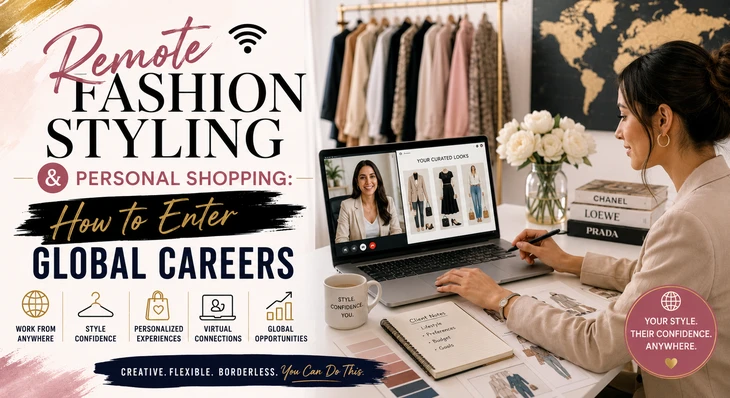
Remote fashion styling is all about helping clients build their personal style without meeting them physically. Instead of walking into a boutique with a stylist, clients receive guidance through online conversations, video consultations, and curated digital outfit suggestions.
Online personal shopping goes one step further. Here, you not only suggest outfits but also help clients discover, compare, and choose clothing and accessories from online stores based on their personality, lifestyle, body type, and budget.
Together, these roles create a modern, digital-first fashion experience that feels personal, even though everything happens online.
What makes this space especially interesting is how naturally it fits into today’s lifestyle. People already shop online, follow fashion influencers, and trust digital recommendations. That’s exactly where virtual stylists step in.
Why This Career Is Growing So Fast
The demand for remote fashion styling and personal shopping services has increased for very real reasons:
More people now prefer convenience over store visits. Online shopping has become the norm rather than the exception. At the same time, social media has made personal appearance and styling more important than ever.
Another major factor is globalization. A stylist in one country can now easily work with clients in another, thanks to digital communication tools.
In simple terms, fashion services have become borderless, flexible, and highly personalized.
Skills That Actually Matter in This Field
You don’t need to be a runway expert to enter this career, but you do need a strong foundation in style thinking and communication.
A natural sense of style
You should be able to understand what looks balanced, what feels modern, and what matches different personalities. This comes from observation, practice, and exposure to fashion trends.
Understanding people, not just clothes
Good styling is less about clothes and more about people. Body shape, lifestyle, profession, and confidence level all matter when suggesting outfits.
Clear communication
Since everything happens online, how you explain your ideas is just as important as the ideas themselves. Clients should easily understand your suggestions without confusion.
Digital comfort
You’ll often use tools like mood boards, online stores, and video calls. Being comfortable with digital platforms makes your workflow smoother and more professional.
A sense of personal branding
In this field, how you present yourself online becomes part of your career growth. Your style, consistency, and communication style help clients trust you.
How People Start Their Career in Remote Styling
Starting out doesn’t require a perfect setup. Most successful stylists begin small and grow step by step.
Build simple real-world experience
You can start by styling friends, family, or even creating outfit ideas for imaginary clients. The goal is to practice and document your work.
Create a small but strong portfolio
Instead of overthinking, focus on showing your styling thinking clearly. Before-and-after looks, outfit boards, and themed collections work very well.
Learn continuously
Fashion evolves constantly. Online courses, YouTube tutorials, and observing global fashion trends help you stay up to date without formal barriers.
Pick a direction
Some stylists focus on corporate professionals, while others prefer casual wear, luxury styling, or sustainable fashion. Choosing a focus makes it easier to attract the right clients.
Start showing your work online
Instagram, Pinterest, and even LinkedIn can become powerful tools if used consistently. You don’t need viral content—just clear and helpful styling ideas.
Personal shopping in a virtual setup is more structured than it sounds. It usually follows a simple but thoughtful process.
First, the stylist understands the client’s needs through a conversation or questionnaire. This includes size, preferences, budget, and lifestyle details.
Then comes research. The stylist explores online stores, compares options, and shortlists items that fit the client’s profile.
After that, everything is presented in a simple format—often as curated lists or visual boards with links.
Finally, the client reviews the suggestions, asks questions, and makes purchase decisions with confidence.
This process saves time and reduces confusion for people who feel overwhelmed by endless online shopping options.
Remote fashion styling depends heavily on digital tools. The good news is that most of them are easy to use and widely available.
Mood board platforms help organize ideas visually. Online shopping websites are used for product discovery and comparison. Video calling tools make client communication smooth and personal.
Many stylists also use simple design tools to create polished presentations that look professional and easy to understand.
The goal is not complexity—it’s clarity.
Finding Clients in a Global Market
One of the most interesting parts of this career is that clients can come from anywhere in the world.
Some stylists start by offering services on freelance platforms. Others build audiences through social media by sharing styling tips and outfit ideas.
Over time, word-of-mouth referrals become very powerful. A satisfied client often brings in new clients, especially in fashion services where trust plays a big role.
A personal website or strong social media presence can also help create long-term visibility.
Challenges You Should Be Ready For
Like any creative career, this field also comes with challenges.
Competition is growing, so standing out requires consistency and clarity in your work. You also need patience when building trust with new clients who may be meeting you online for the first time.
Fashion trends change quickly, so continuous learning is part of the job.
Working with international clients may also mean adjusting to different time zones and cultural preferences.
These challenges are real, but they also help you grow stronger professionally.
Opportunities in the Global Fashion Industry
Despite the challenges, the opportunities are even bigger.
Brands are now hiring remote stylists to improve online shopping experiences. Influencers often collaborate with personal stylists to refine their image. Everyday professionals are also investing in styling services to improve their confidence and presence.
From luxury fashion to everyday wardrobe planning, the demand for digital styling expertise continues to expand.
This is no longer a side niche—it is becoming a mainstream career path.
Practical Tips to Build Long-Term Success
Consistency matters more than perfection in this field. The more you practice styling, the sharper your understanding becomes.
Focus on personalization rather than generic advice. Clients appreciate when suggestions feel tailored to their personality.
Keep improving your communication style so clients feel understood and supported.
Over time, collect feedback and testimonials because they build trust faster than anything else.
Most importantly, stay curious. Fashion is always evolving, and so should your perspective.
A Simple Real-World Example
Many independent stylists today started with no formal background. One common path is to start with small styling projects for friends and gradually share work online.
As their confidence grows, they begin working with international clients through social platforms or freelance websites. Eventually, some turn this into a full-time career, working entirely online while serving clients across multiple countries.
This shows that the barrier to entry is lower than most people think. What matters most is consistency and clarity in your work.
Conclusion
Remote fashion styling and personal shopping are reshaping how people interact with fashion. What was once limited to physical stores has now become a global digital service.
This career offers freedom, creativity, and international reach—all from a laptop and a strong sense of style. With the right mindset, steady practice, and genuine interest in helping others, anyone can build a meaningful career in this space.
It’s not about following trends blindly. It’s about understanding people, guiding their choices, and helping them feel confident in their everyday life.
FAQs
What does a remote fashion stylist do?
A remote fashion stylist helps clients choose outfits and develop personal style through online consultations rather than in-person meetings.
Formal training is helpful but not mandatory. Practical experience and a strong sense of style matter more.
Can I work with international clients in this field?
Yes, this career is global. You can work with clients from different countries using online tools.
How do remote stylists find clients?
Most stylists use social media, freelance platforms, referrals, or personal websites to attract clients.
Is this a full-time career option?
Yes, many professionals work full-time as remote stylists and personal shoppers with a global client base.