📚 Table of Contents
- Why Freelancing Is No Longer “Just Extra Income”
- The Real Reason People Are Switching to Full-Time Freelancing
- What Makes Freelancing Work as a Full-Time Career
- Choosing a Direction Instead of Doing Everything
- Understanding What Clients Actually Need
- How Freelancers Build Stable Income Over Time
- Long-Term Clients Change Everything
- Multiple Streams of Work
- Pricing That Reflects Growth
- Getting Clients Without Relying on Luck
- A Portfolio That Speaks Clearly
- Being Visible in the Right Places
- Reputation Matters More Than Anything
- Skills That Actually Matter in Full-Time Freelancing
- Communication
- Time Discipline
- Self-Promotion
- Financial Planning
- Continuous Learning
- The Challenges No One Talks About
- The Tools That Make Freelancing Easier
- Where Freelancing Is Heading Next
- Final Thoughts
How Professionals Are Turning Freelancing Into Full-Time Careers
Freelancing didn’t start as a “career plan” for most people. For many, it began as small evening work, weekend projects, or a way to earn a little extra money on the side. But something changed along the way. Slowly, that side income started matching salaries. Then, in some cases, it went beyond them. That’s where the shift began. Today, more professionals are no longer treating freelancing as temporary work. They are building it into a long-term, full-time career path that offers independence, flexibility, and real financial control. And this shift is not limited to any one field. Writers, designers, developers, marketers, video editors, consultants, and even finance professionals are stepping into freelance work with long-term intent. So what exactly is driving this change—and how are people making it work full-time?Why Freelancing Is No Longer “Just Extra Income”
There was a time when freelancing was seen as unstable. Something you did only when you couldn’t find a job—or alongside a job. That perception is fading fast. Businesses now prefer to hire skilled freelancers for specific tasks rather than maintain large, permanent teams. It’s faster, more flexible, and often more cost-effective. At the same time, professionals are realizing something important: they don’t need to wait for promotions or approvals to increase their income anymore. They can connect directly with clients and determine their own value. This is why searches around how to start freelancing full-time from home and freelance career growth without experience have increased so much in recent years.The Real Reason People Are Switching to Full-Time Freelancing
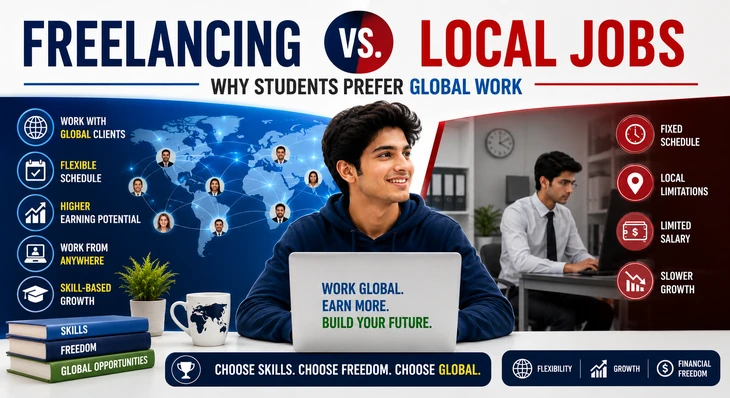
Most professionals don’t switch overnight. It usually happens gradually. First, a few freelance projects come in. Then repeat clients appear. Income becomes more consistent. And suddenly, the idea of going back to fixed office work starts feeling less attractive. A few common reasons behind the shift include:- More control over time and workload
- Ability to work with global clients
- Better earning potential based on skill level
- Freedom to choose meaningful projects
- Reduced dependency on traditional job structures
What Makes Freelancing Work as a Full-Time Career
Not everyone who starts freelancing ends up doing it full-time. The difference is usually not talent—it’s structure. Successful freelancers treat their work like a business, not a side task. They don’t just “take projects.” They build systems around how they work, how they find clients, and how they manage income.Choosing a Direction Instead of Doing Everything
One of the biggest turning points is focus. Beginners often try to offer too many services. But professionals narrow down their skill set. Instead of being general, they become known for something specific—like SEO writing, UI design, Shopify development, or paid ad management. That clarity makes it easier for clients to trust them.Understanding What Clients Actually Need
Freelancers who succeed in the long term spend time understanding business problems, not just tasks. Clients don’t just want “content” or “design.” They want results—traffic, conversions, sales, or engagement. When freelancers understand that, their value increases naturally.How Freelancers Build Stable Income Over Time
One of the biggest fears around freelancing is income instability. And honestly, it’s valid in the beginning. But experienced freelancers don’t rely on one-off projects alone. They build layers of income.Long-Term Clients Change Everything
Instead of constantly searching for new work, many freelancers focus on retaining existing clients. A single long-term client can provide predictable monthly income, which removes a lot of pressure.Multiple Streams of Work
Over time, freelancers often diversify:- Regular client projects
- Monthly retainers
- Consulting calls
- Digital products or templates