📚 Table of Contents
- What Edge Computing Really Means in Everyday Language
- Why Edge Computing Careers Are Growing So Fast
- Key reasons driving demand:
- How Edge Computing Supports Remote Work Models
- What can be done remotely:
- Top Remote Edge Computing Career Paths
- 1. Edge Software Developer
- 2. IoT and Edge Solutions Engineer
- 3. Cloud-Edge Integration Engineer
- 4. DevOps Engineer for Edge Systems
- 5. Edge Security Specialist
- Skills You Need to Build a Strong Edge Computing Career
- Technical Skills
- Soft Skills
- Real-World Industries Using Edge Computing Today
- Healthcare
- Manufacturing
- Smart Cities
- Retail
- How to Start a Career in Edge Computing (Even as a Beginner)
- Challenges You Should Be Aware Of
- Future of Remote Edge Computing Jobs
- FAQs
- 1. Are edge computing jobs really remote-friendly?
- 2. What is the easiest way to enter edge computing careers?
- 3. Do I need a degree for edge computing remote careers?
- 4. Which industries hire edge computing professionals the most?
- 5. Are remote edge computing jobs high-paying?
- Conclusion
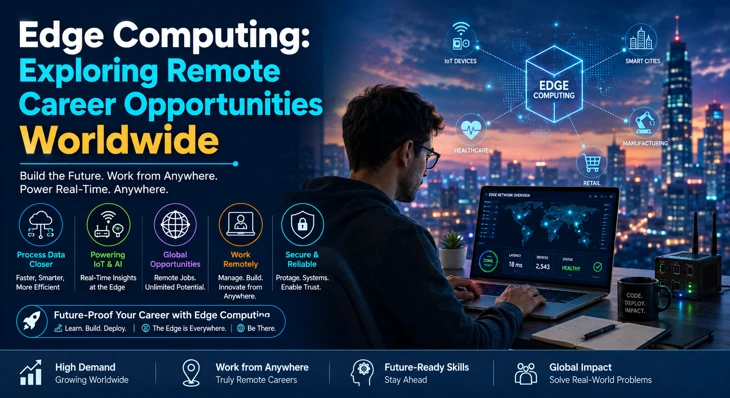
Edge Computing: Exploring Remote Career Opportunities Worldwide
Edge computing is quietly changing how digital systems run in the real world. It is no longer just a backend concept for engineers—it is now a core part of how apps, devices, and services deliver fast, reliable experiences. And with that shift, a new wave of remote edge computing jobs is opening up across the globe. From IoT systems to real-time analytics platforms, companies are actively hiring professionals who can design and manage edge-based infrastructure from anywhere. If you are exploring edge computing remote careers, this is one of the most promising tech paths right now. This guide breaks everything down in a simple, practical way—what edge computing really means, where the jobs are, what skills matter, and how you can build a career that works globally, even from home.What Edge Computing Really Means in Everyday Language
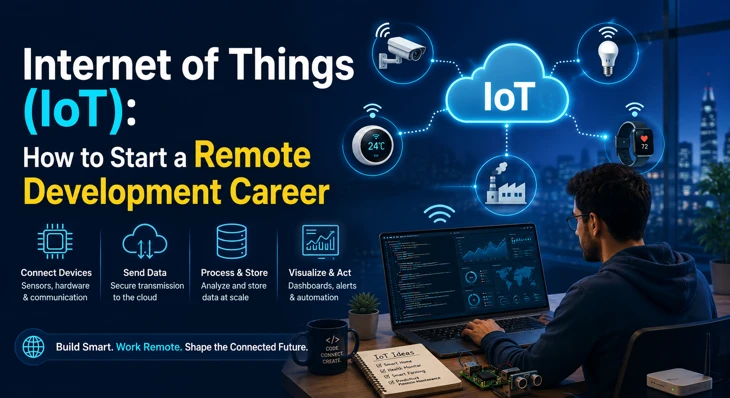
At its core, edge computing is about processing data closer to where it is created instead of sending everything to a distant cloud server. Think of a smart security camera. Instead of sending every video frame to a central server, it can analyze movement locally and only send important alerts. That’s edge computing in action. In simple terms, it reduces delay, saves bandwidth, and makes systems faster and smarter. This is why industries are rapidly moving toward IoT edge computing solutions, especially where real-time decisions matter.Why Edge Computing Careers Are Growing So Fast
The rise of connected devices has completely changed the digital landscape. Billions of sensors, machines, and apps now generate data every second. Cloud systems alone can’t always handle this efficiently, especially when milliseconds matter.Key reasons driving demand:
- Explosion of IoT devices across industries
- Need for real-time processing and analytics
- Growth of smart automation systems
- Expansion of 5G and low-latency networks
- Rising use of AI at the device level
How Edge Computing Supports Remote Work Models
One of the most interesting things about edge computing careers is that many roles are naturally remote-friendly. Even though edge devices are physically distributed, the management, coding, monitoring, and optimization happen through cloud dashboards and remote tools.What can be done remotely:
- Designing edge system architecture
- Writing edge applications and APIs
- Managing IoT device networks
- Monitoring performance dashboards
- Debugging distributed systems
Top Remote Edge Computing Career Paths
The field is not limited to one job type. It includes multiple roles across software, infrastructure, and security.1. Edge Software Developer
These professionals build lightweight applications that run on edge devices. They focus on:- Optimizing code for low-power systems
- Building real-time processing logic
- Integrating cloud and edge environments
2. IoT and Edge Solutions Engineer
This role focuses on designing connected ecosystems where devices communicate and process data locally. Typical use cases include:- Smart homes
- Industrial automation systems
- Healthcare monitoring devices
3. Cloud-Edge Integration Engineer
These engineers connect centralized cloud platforms with distributed edge systems. They handle:- Data synchronization
- API integrations
- Hybrid architecture design
4. DevOps Engineer for Edge Systems
DevOps in edge computing focuses on automation and system reliability across distributed environments. Responsibilities include:- CI/CD pipelines for edge deployments
- Infrastructure as code
- Monitoring and logging systems
5. Edge Security Specialist
Security becomes more complex when data is processed across multiple locations. These professionals protect systems by:- Securing IoT devices
- Detecting vulnerabilities
- Managing encryption and authentication
Skills You Need to Build a Strong Edge Computing Career
You don’t need to know everything at once. But a balanced mix of software, cloud, and networking skills is important.Technical Skills
- Programming (Python, Java, or C++)
- Cloud platforms like AWS, Azure, or Google Cloud
- IoT communication protocols
- Docker and Kubernetes basics
- Networking fundamentals
Soft Skills
- Problem-solving mindset
- Clear communication for remote teams
- Ability to learn quickly
- System thinking and debugging skills
Real-World Industries Using Edge Computing Today
Edge computing is already deeply embedded in many industries, not just experimental tech labs.Healthcare
Wearable devices track patient health in real time and send alerts instantly.Manufacturing
Machines detect faults and predict failures using local processing systems.Smart Cities
Traffic lights, surveillance systems, and utilities use real-time edge decisions.Retail
Stores use smart checkout and inventory systems powered by edge analytics. These industries are actively hiring for remote edge computing roles worldwide, particularly in system design and monitoring.How to Start a Career in Edge Computing (Even as a Beginner)
Getting started may feel technical, but a step-by-step approach makes it manageable. Start with Python or Java and focus on logic-building. Learn how AWS, Azure, or Google Cloud works. Understand how devices collect and transmit data. Try projects like smart home systems or sensor-based alerts. Work with Docker, APIs, and basic DevOps tools. This journey gradually prepares you for careers in IoT edge computing and remote engineering roles.Challenges You Should Be Aware Of
Like any advanced tech field, edge computing comes with challenges.- Constant technology updates
- Complex distributed system design
- Security risks across devices
- Need for continuous learning
Future of Remote Edge Computing Jobs
The future looks extremely strong for this field. As more devices become connected, edge systems will become even more critical. We are moving toward:- Fully automated smart environments
- AI-powered edge devices
- Expansion of 5G-based applications
- More global remote engineering teams