📚 Table of Contents
- Why Remote Careers Are Becoming More Popular
- Benefits of Building a Remote Career Without Moving Overseas
- Financial Flexibility
- Freedom and Lifestyle Balance
- Access to International Opportunities
- Better Career Control
- Essential Skills for Remote Work Success
- Strong Communication Skills
- Time Management and Self-Discipline
- Digital and Technical Skills
- Problem-Solving Ability
- Best Remote Career Options Without Relocating Abroad
- Content Writing and Copywriting
- Digital Marketing
- Graphic Design
- Virtual Assistance
- Customer Support Roles
- Software Development and Tech Careers
- Online Teaching and Tutoring
- How to Find Legitimate Remote Jobs
- Build a Professional Online Presence
- Use Trusted Remote Job Platforms
- Build a Portfolio
- Network With Professionals Online
- How to Build Trust as a Remote Professional
- Deliver Work Consistently
- Communicate Proactively
- Stay Organized
- Maintain Professionalism
- Common Challenges in Remote Careers
- Feeling Isolated
- Managing Different Time Zones
- Staying Focused at Home
- Career Visibility
- Smart Ways to Grow Your Remote Career Faster
- Keep Learning New Skills
- Improve English Communication Skills
- Develop Personal Branding
- Diversify Your Income Sources
- A Practical Example of Remote Career Growth
- The Future of Remote Work
- Frequently Asked Questions
- Can beginners start a remote career?
- Which skills are most valuable for remote jobs?
- Do I need a degree to work remotely?
- How can I avoid remote job scams?
- Is freelancing the only way to work remotely?
- Conclusion
How to Build a Remote Career Without Relocating Abroad
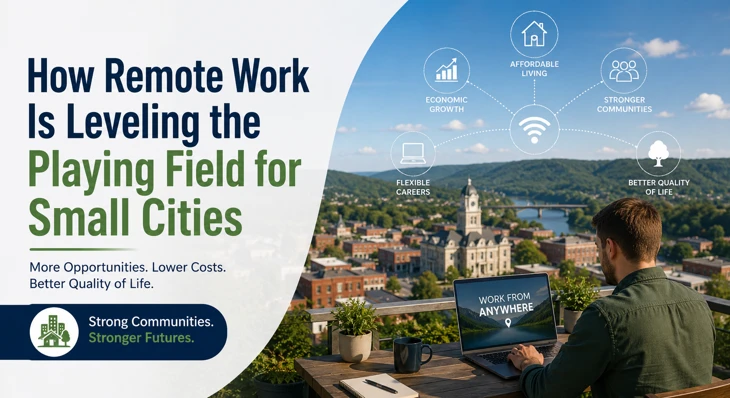
A global career no longer requires a passport, relocation plan, or expensive move overseas. The rise of remote work has completely changed how professionals connect with employers around the world. Today, someone living in a smaller city can work with international companies, build a stable income, and grow professionally without leaving home. This shift has opened doors for writers, marketers, designers, developers, customer support specialists, consultants, recruiters, teachers, and many other professionals. Businesses are no longer focused only on hiring people nearby. Instead, they are seeking skilled individuals who can deliver high-quality work from anywhere. For many professionals, that creates an exciting opportunity. You can build a remote career, gain international experience, and earn a global income while staying close to family, culture, and familiar surroundings. If you are wondering how to start working remotely for international companies without relocating abroad, this guide outlines the exact steps, skills, and strategies to help you achieve long-term success.Why Remote Careers Are Becoming More Popular
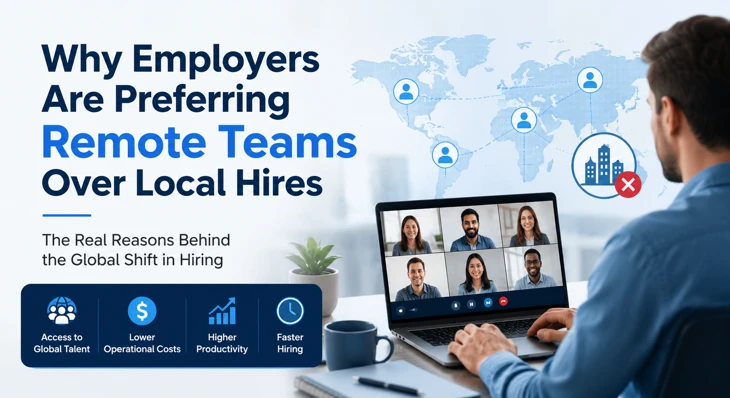
Remote work has moved far beyond being a temporary trend. Companies across different industries now rely on distributed teams because they have discovered several advantages. Hiring remote employees allows businesses to:- Access talent from different countries
- Reduce office-related expenses
- Build flexible teams
- Improve employee satisfaction
- Operate across multiple time zones
Benefits of Building a Remote Career Without Moving Overseas
Working remotely while staying in your home country offers more advantages than many people realize.Financial Flexibility
Relocating internationally can be expensive. Rent, transportation, insurance, visa costs, and daily living expenses often become overwhelming. Remote work allows professionals to earn from international clients or companies without taking on those relocation costs. For example, a remote SEO specialist working with a company in the UK may earn significantly more than local industry averages while still benefiting from lower living expenses at home.Freedom and Lifestyle Balance
One of the biggest reasons people choose remote careers is flexibility. Without long daily commutes, professionals often gain more time for:- Family
- Health and fitness
- Learning new skills
- Side projects
- Personal interests
Access to International Opportunities
Instead of applying only for local jobs, remote professionals can search globally. That means more career opportunities, broader professional exposure, and the ability to work with companies from different industries and cultures. International experience can also strengthen your resume and increase future earning potential.Better Career Control
Remote work often gives people more control over how they shape their careers. Some professionals prefer freelance projects, while others choose full-time remote employment. Many combine both. This flexibility makes it easier to create multiple income streams and explore different career paths.Essential Skills for Remote Work Success
Building a successful remote career is not only about technical ability. Employers also look for professionals who can work independently and communicate effectively.Strong Communication Skills
Remote teams rely heavily on written and virtual communication. You may spend much of your day using email, Slack, Zoom, Google Meet, or project management tools. Because of this, clear communication becomes extremely important. Professionals who explain ideas clearly, respond professionally, and communicate consistently usually perform better in remote environments.Time Management and Self-Discipline
Working remotely means managing responsibilities without constant supervision. Employers value people who can:- Complete work on time
- Stay organized
- Prioritize tasks properly
- Maintain productivity independently
Digital and Technical Skills
Most remote jobs require some level of digital knowledge. Depending on your field, valuable remote work skills may include:- Content writing
- SEO and digital marketing
- Graphic design
- Video editing
- Web development
- Data analysis
- Social media management
- Customer support tools
- Project management software
Problem-Solving Ability
Remote employees are often expected to handle challenges independently. People who can think critically, adapt quickly, and solve problems efficiently are highly valuable to employers.Best Remote Career Options Without Relocating Abroad
The remote job market continues to expand rapidly. Professionals from different educational and professional backgrounds can now find opportunities online.Content Writing and Copywriting
Businesses need high-quality content to attract customers and grow online visibility. That creates strong demand for:- Blog writers
- SEO content writers
- Copywriters
- Technical writers
- Email marketers
- Website content creators
Digital Marketing
Digital marketing remains one of the most remote-friendly industries. Remote marketers help businesses grow through:- Search engine optimization
- Social media marketing
- Email campaigns
- Paid advertising
- Analytics and reporting
- Content strategy
Graphic Design
Graphic designers create visuals for websites, branding, advertisements, social media, and presentations. Many businesses prefer to hire freelance or remote designers because project-based collaboration is easier online. A strong portfolio often matters more than formal qualifications.Virtual Assistance
Virtual assistants support businesses with administrative and organizational tasks. Responsibilities may include:- Scheduling meetings
- Managing emails
- Conducting research
- Organizing files
- Customer communication
Customer Support Roles
Global companies frequently hire remote customer service professionals. These roles usually involve assisting customers through live chat, email, or calls. People with patience, communication skills, and problem-solving ability often succeed in this area.Software Development and Tech Careers
Technology continues to dominate the remote job market. Developers, app creators, cybersecurity professionals, cloud engineers, and UI/UX designers remain in high demand globally. Many international tech companies operate fully remotely.Online Teaching and Tutoring
Remote learning has created a strong demand for online educators. Professionals can teach:- Languages
- Academic subjects
- Coding
- Design tools
- Business skills
- Test preparation courses
How to Find Legitimate Remote Jobs
Finding quality remote opportunities requires patience and strategy.Build a Professional Online Presence
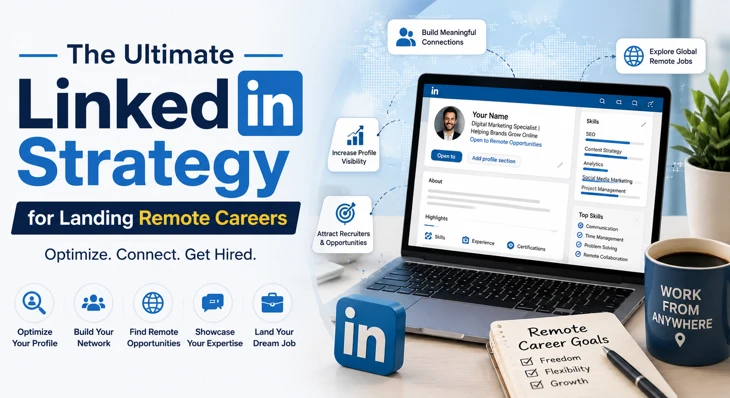
Your online profile often becomes your digital resume. A well-optimized LinkedIn profile can significantly improve visibility. Make sure your profile includes:- A professional photo
- Clear skill descriptions
- Work achievements
- Portfolio links
- Updated experience
Use Trusted Remote Job Platforms
Several websites specialize in remote work opportunities. Popular remote job platforms include:- Remote OK
- We Work Remotely
- FlexJobs
- LinkedIn Jobs
- Upwork
- Fiverr
- Freelancer
Build a Portfolio
A portfolio gives employers direct proof of your abilities. For example:- Writers can showcase published articles
- Designers can display branding projects
- Developers can share coding repositories
- Marketers can highlight campaign results
Network With Professionals Online
Networking still matters in remote work. Many opportunities come through referrals and professional relationships. You can grow your network by:- Joining LinkedIn communities
- Attending webinars
- Participating in online forums
- Connecting with industry professionals
- Engaging in professional discussions
How to Build Trust as a Remote Professional
Remote employers often prioritize reliability. Since managers cannot physically monitor employees, trust becomes one of the most important factors in long-term remote success.Deliver Work Consistently
Meeting deadlines consistently helps build a strong professional reputation. Reliable professionals are more likely to receive:- Repeat contracts
- Promotions
- Long-term projects
- Client referrals
Communicate Proactively
Good remote professionals do not disappear when problems arise. If delays happen, communicate early and provide updates. Transparency builds confidence and strengthens professional relationships.Stay Organized
Organization plays a major role in remote productivity. Using tools such as Notion, Asana, ClickUp, or Trello can help manage tasks more efficiently. Simple organizational habits reduce stress and improve work quality.Maintain Professionalism
Remote work environments may feel casual, but professionalism still matters. That includes:- Being punctual
- Responding respectfully
- Following instructions carefully
- Participating actively in meetings
- Maintaining work quality
Common Challenges in Remote Careers
Although remote work offers flexibility, it also comes with unique challenges. Understanding them early can help you prepare more effectively.Feeling Isolated
Working remotely can sometimes feel lonely. Without office interaction, some professionals miss daily social engagement. Staying connected through online communities, coworking spaces, or networking events can help reduce isolation.Managing Different Time Zones
International remote teams often operate across multiple countries. This may require adjusting schedules occasionally for meetings or collaboration. Using shared calendars and scheduling tools makes coordination easier.Staying Focused at Home
Home environments can become distracting. Noise, interruptions, and social media can reduce productivity. Creating a dedicated workspace and maintaining routines usually improves concentration.Career Visibility
Some remote workers worry about slower career growth. To remain visible:- Share progress updates
- Participate in discussions
- Volunteer for projects
- Continue learning new skills
Smart Ways to Grow Your Remote Career Faster
Long-term remote success requires continuous improvement.Keep Learning New Skills
The digital world changes quickly. Professionals who regularly upgrade their skills often stay competitive longer. Platforms like Coursera, Skillshare, Udemy, and HubSpot Academy provide valuable online training opportunities.Improve English Communication Skills
Many international remote companies use English as their primary language of communication. Improving writing and speaking confidence can increase access to better opportunities. Perfect grammar is not necessary. Clear communication matters more.Develop Personal Branding
Your online reputation can influence future opportunities. Sharing insights, posting valuable content, and showcasing projects can improve visibility. Strong personal branding often attracts better clients and higher-paying remote jobs.Diversify Your Income Sources
Many successful remote professionals avoid relying on a single source of income. For example, someone working remotely full-time may also:- Offer freelance services
- Sell digital products
- Create online courses
- Build a personal blog
- Provide consulting services
A Practical Example of Remote Career Growth
Consider the example of Rahul, a graphic designer from India. He began by creating simple social media designs for local businesses while learning branding and UI design through online tutorials. After building a portfolio, he started applying for freelance remote projects on international platforms. Over time, Rahul gained experience, improved client communication, and developed a stronger portfolio. Eventually, he secured long-term remote contracts with overseas startups. He achieved international career growth without relocating abroad. Stories like this are becoming increasingly common because remote work has made global opportunities more accessible.The Future of Remote Work
Remote work is expected to remain a major part of the global workforce. Many businesses now prefer hybrid or fully remote teams because digital collaboration tools have made remote operations more efficient. As companies continue hiring globally, professionals who develop digital skills and strong communication abilities will likely benefit the most. Remote careers can provide:- Flexible work arrangements
- International exposure
- Higher earning potential
- Better work-life balance
- Greater career independence