📚 Table of Contents
- The Growing Demand for Global Remote Talent
- Why Networking Matters More in Remote Careers
- Networking Builds Trust Faster
- Hidden Opportunities Often Come Through Relationships
- Networking Expands Your Global Visibility
- The Biggest Networking Mistake Remote Professionals Make
- How LinkedIn Became a Global Networking Engine
- 1. Building a Strong Personal Brand
- 2. Engaging Consistently
- 3. Building Relationships Before You Need Them
- Online Communities Are Goldmines for Remote Opportunities
- Networking Helps You Learn Faster
- Real-Life Example of Networking Creating Remote Career Growth
- How Introverts Can Network Successfully
- The Role of Networking in Freelance Remote Careers
- Networking Across Different Time Zones and Cultures
- Respect Communication Styles
- Be Mindful of Time Zones
- Focus on Professional Courtesy
- Practical Networking Strategies for Remote Professionals
- Optimize Your Online Presence
- Create Valuable Content
- Attend Virtual Events
- Follow Up Thoughtfully
- Help Others First
- Why Networking Creates Long-Term Career Security
- The Future of Remote Careers Will Be Relationship-Driven
- Frequently Asked Questions
- How important is networking for remote jobs?
- Can I get a global remote job without networking?
- Which platform is best for remote career networking?
- How do beginners start networking online?
- Does networking help freelancers get international clients?
- How often should I network online?
- Conclusion
Why Networking Is the Hidden Key to Global Remote Careers
Remote work has changed the way people build careers. Professionals no longer need to move to another country to work with international companies. A skilled designer in India can collaborate with a startup in Germany. A software developer in Brazil can join a team in Canada. A content strategist in the Philippines can work with clients across the United States. The opportunities are endless, but there is one truth many people discover too late. Skills alone are rarely enough. Thousands of professionals apply for remote jobs every day. Most have solid resumes, certifications, and technical knowledge. Yet only a small percentage consistently land high-quality global remote opportunities. What makes the difference? Networking. Not the outdated version built around awkward business card exchanges or scripted conversations. Modern networking is about building genuine professional relationships that create trust, visibility, and long-term opportunities. For remote careers, networking often becomes the hidden bridge between talent and opportunity. In many cases, international remote jobs are filled before they are even publicly advertised. Referrals, community recommendations, LinkedIn interactions, and industry relationships quietly shape hiring decisions behind the scenes. If you want to build a successful global remote career, learning how to network effectively may become more valuable than sending hundreds of job applications.The Growing Demand for Global Remote Talent
Over the past few years, companies around the world have become more comfortable hiring remote employees across borders. Businesses are now focused on finding the best talent rather than limiting hiring to a single location. This shift has opened doors for:- Software developers
- Digital marketers
- Customer support specialists
- Content writers
- Designers
- Project managers
- Virtual assistants
- Data analysts
- SEO professionals
- Consultants
Why Networking Matters More in Remote Careers
Traditional office jobs create natural opportunities for connection. Employees meet coworkers during meetings, office events, or daily interactions. Remote professionals do not have those built-in opportunities for relationships. Without intentional networking, it becomes easy to stay invisible. This invisibility can slow career growth, reduce access to opportunities, and make it harder to build credibility internationally. Strong professional networking helps remote workers overcome these challenges.Networking Builds Trust Faster
When companies hire remotely, trust becomes extremely important. Employers want confidence that remote professionals can communicate clearly, collaborate effectively, and work independently. A recommendation from someone within their network immediately reduces uncertainty. For example, imagine a startup founder looking for a remote content strategist. They receive 800 applications. One applicant is recommended by someone they trust on LinkedIn. That candidate instantly stands out. Networking creates familiarity before the interview even begins.Hidden Opportunities Often Come Through Relationships
Many remote jobs never appear on public job boards. Founders frequently ask their network questions like:- “Do you know a good remote developer?”
- “Can anyone recommend a reliable SEO expert?”
- “We need a content writer with SaaS experience.”
Networking Expands Your Global Visibility
Global remote careers depend heavily on visibility. When professionals consistently share insights, engage in discussions, contribute to communities, and help others online, they slowly build authority. Over time, recruiters and business owners begin recognizing their names. That visibility compounds. A single thoughtful LinkedIn post can lead to:- A freelance project
- A podcast invitation
- A collaboration request
- A recruiter message
- A remote job referral
The Biggest Networking Mistake Remote Professionals Make
Many people treat networking like a transaction. They only reach out when they need a job. This approach rarely works. Effective professional networking is built on consistency, authenticity, and long-term value. People remember professionals who:- Share useful insights
- Offer help without expecting immediate returns
- Engage respectfully
- Contribute meaningfully to conversations
- Build relationships over time
How LinkedIn Became a Global Networking Engine
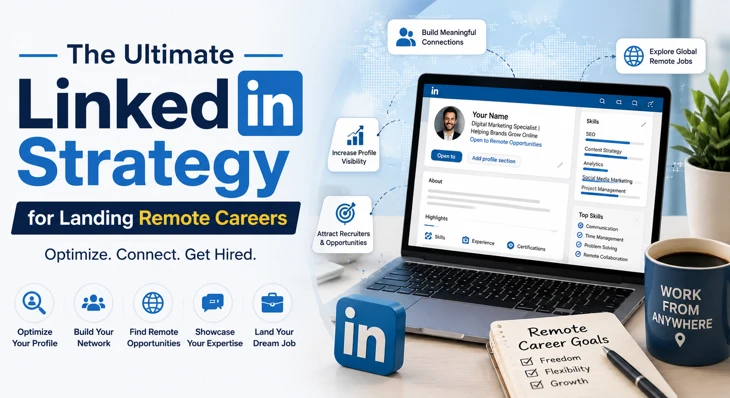
For global remote careers, LinkedIn has become one of the most powerful networking platforms available. Recruiters, founders, hiring managers, and freelancers actively use it to discover talent. But simply creating a profile is not enough. Professionals who grow their remote careers through LinkedIn usually focus on three things:1. Building a Strong Personal Brand
Your online presence shapes first impressions. A strong LinkedIn profile should clearly communicate:- What you do
- Who you help
- Your expertise
- Your results
- Your personality
2. Engaging Consistently
Networking is not passive. Professionals who build strong global connections usually engage consistently through:- Commenting thoughtfully on industry posts
- Sharing lessons from projects
- Posting useful insights
- Participating in discussions
- Celebrating others’ achievements
3. Building Relationships Before You Need Them
One of the smartest networking habits is staying connected even when you are not actively job searching. Send occasional messages. Congratulate people on milestones. Share relevant resources. Maintain relationships naturally. When opportunities arise later, those connections already exist.Online Communities Are Goldmines for Remote Opportunities
Many remote professionals underestimate the power of online communities. Industry-focused groups often become powerful networking ecosystems. These communities exist across:- Slack groups
- Discord servers
- Reddit communities
- LinkedIn groups
- Facebook groups
- Professional forums
- Niche creator communities
- Job opportunities
- Freelance projects
- Referrals
- Industry advice
- Collaboration requests
- Skill-building resources
Networking Helps You Learn Faster
One overlooked advantage of networking is accelerated learning. When you connect with professionals globally, you gain exposure to:- Industry trends
- Hiring expectations
- New tools
- Remote work best practices
- International market standards
- Salary insights
- Productivity systems
Real-Life Example of Networking Creating Remote Career Growth
Consider a freelance SEO writer named Priya. At first, she applied to remote jobs through online platforms with little success. Most applications never received replies. Instead of continuing the same strategy endlessly, she focused on building professional relationships online. She started:- Posting SEO tips on LinkedIn
- Engaging with SaaS founders
- Joining content marketing communities
- Sharing lessons from her client projects
- Commenting thoughtfully on industry posts
How Introverts Can Network Successfully
Many people assume networking only works for highly extroverted personalities. That is not true. In fact, introverts often excel at meaningful relationship-building because they tend to focus on deeper conversations rather than superficial interactions. Networking does not require becoming loud or overly social. Simple actions matter:- Sending thoughtful messages
- Sharing useful content
- Supporting others consistently
- Asking intelligent questions
- Participating in niche communities
- Following up respectfully
The Role of Networking in Freelance Remote Careers
Freelancers depend heavily on reputation and referrals. Unlike traditional employees, freelancers constantly need new opportunities, clients, or collaborations. Networking becomes essential for long-term stability. Many successful freelancers eventually stop relying on freelance marketplaces because referrals generate consistent inbound work. Clients prefer hiring professionals recommended by people they trust. Strong networking can help freelancers:- Reduce client acquisition stress
- Increase rates
- Find premium clients
- Access long-term contracts
- Build authority in their niche
Networking Across Different Time Zones and Cultures
Global remote careers involve working with people from different countries and cultures. Good networking requires cultural awareness and professional sensitivity. Some practical tips include:Respect Communication Styles
Different cultures approach communication differently. Some professionals prefer direct communication. Others value formality and relationship-building first. Pay attention to tone and context.Be Mindful of Time Zones
Avoid expecting immediate responses. Remote professionals often work across multiple time zones. Respecting schedules demonstrates professionalism.Focus on Professional Courtesy
Simple habits matter globally:- Respond politely
- Be punctual for meetings
- Follow through on commitments
- Respect boundaries
- Show appreciation
Practical Networking Strategies for Remote Professionals
Networking becomes easier when approached consistently instead of emotionally. You do not need complicated tactics. Small, repeatable actions create long-term results.Optimize Your Online Presence
Make sure your profiles clearly communicate:- Your expertise
- Your niche
- Your experience
- Your portfolio
- Your accomplishments
Create Valuable Content
You do not need to become a full-time content creator. Even occasional posts sharing:- Lessons learned
- Industry insights
- Case studies
- Productivity tips
- Project experiences
Attend Virtual Events
Webinars, online conferences, workshops, and networking events create opportunities to meet professionals globally. Many remote collaborations start with casual conversations at events.Follow Up Thoughtfully
After meeting someone online, maintain the connection naturally. A simple follow-up message can keep relationships active.Help Others First
One of the fastest ways to build strong professional relationships is generosity. Share opportunities. Offer introductions. Recommend useful tools. Support others publicly. People remember professionals who genuinely contribute value.Why Networking Creates Long-Term Career Security
Remote work markets change quickly. Companies restructure. Projects end. Industries evolve. Strong networks create career resilience. Professionals with trusted industry relationships often recover from career disruptions faster because opportunities continue flowing through their connections. Networking becomes a long-term career safety net. It also creates flexibility. A strong network can help you:- Transition industries
- Switch career paths
- Start freelancing
- Build a personal brand
- Find mentorship
- Discover partnerships
- Access global opportunities
The Future of Remote Careers Will Be Relationship-Driven
As artificial intelligence and automation continue changing hiring processes, human trust will become even more important. Technical skills still matter greatly, but relationships increasingly influence career opportunities. Companies want professionals who:- Communicate well
- Collaborate effectively
- Contribute positively
- Build trust remotely
- Strengthen team culture