📚 Table of Contents
- Introduction
- Why Remote Work Is Becoming Normal in Supply Chain Roles
- 1. Remote Supply Chain Analyst
- 2. Remote Logistics Coordinator
- 3. Remote Procurement Specialist
- 4. Remote Inventory Control Manager
- 5. Remote Demand Planner
- 6. Remote Transportation Manager
- 7. Remote Supply Chain Consultant
- 8. Remote Warehouse Operations Analyst
- 9. Remote Freight Broker
- 10. Remote Supply Chain Project Manager
- Skills That Help You Grow in This Field
- FAQs
- 1. Are remote logistics jobs really common now?
- 2. Do I need a degree for remote supply chain roles?
- 3. Can beginners enter this field remotely?
- 4. What tools should I learn?
- 5. Is this a stable career option long-term?
- Conclusion
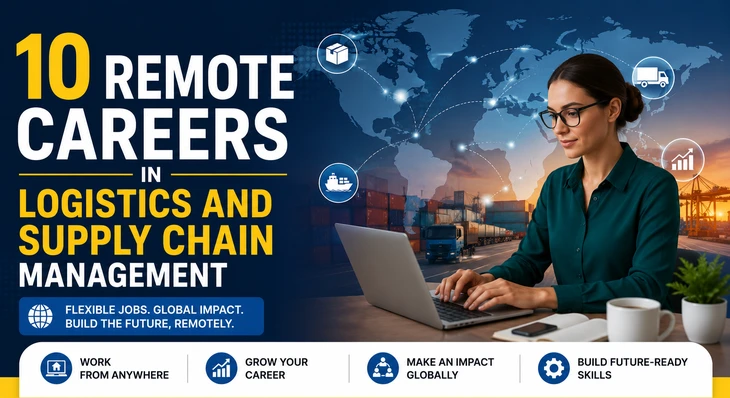
10 Remote Careers in Logistics and Supply Chain Management
Introduction
Logistics and supply chain management have quietly become one of the most exciting fields for remote work. A few years ago, most of these roles were tied to warehouses, ports, or large office setups. Today, things look very different. With digital systems handling everything from inventory tracking to global shipping updates, professionals can now manage complex operations without being physically present on-site. This shift has opened real opportunities for remote careers in logistics and supply chain management, especially for people who want flexibility without limiting their growth. From data-driven planning roles to coordination and consulting positions, companies are increasingly open to hiring remote talent to keep operations running smoothly across borders. If you're exploring stable, future-ready career options, this field has a lot more depth than most people realize. Let’s walk through 10 practical remote roles that are shaping modern supply chains today.Why Remote Work Is Becoming Normal in Supply Chain Roles
The supply chain world is no longer dependent only on physical presence. Most systems are now powered by cloud platforms, AI forecasting tools, and real-time dashboards. Whether it’s tracking shipments or analyzing demand, everything happens digitally. Companies are also under pressure to respond faster to global disruptions. Remote teams help them stay agile by working across time zones and reducing dependency on location-based hiring. Another major factor is cost and efficiency. Businesses are discovering that remote logistics professionals can manage complex workflows just as effectively with tools such as ERP systems, TMS platforms, and advanced analytics software. In simple terms, the industry has evolved—and remote logistics and supply chain careers are now part of the standard structure, not an exception.1. Remote Supply Chain Analyst
A Remote Supply Chain Analyst plays a behind-the-scenes but extremely important role. They analyze data on procurement, shipping patterns, inventory levels, and delivery timelines to identify ways to improve efficiency. Instead of guessing what might go wrong in a supply chain, they use real numbers and trends to guide decisions. Typical responsibilities include:- Studying supply chain performance data
- Identifying delays or cost leaks
- Supporting demand forecasting
- Helping teams improve operational flow
2. Remote Logistics Coordinator
A Logistics Coordinator ensures that goods actually move from point A to point B without unnecessary delays. Even while working remotely, they stay connected with carriers, vendors, and internal teams through digital platforms. They are often the “communication bridge” in the supply chain. Key responsibilities include:- Managing shipment schedules
- Tracking deliveries in real time
- Coordinating with transport partners
- Handling delays or rescheduling issues
3. Remote Procurement Specialist
Procurement Specialists focus on what companies buy and from whom. In remote setups, most of their work occurs through digital negotiations, email, and contract management systems. Their decisions directly affect cost savings and supplier quality. Core responsibilities include:- Evaluating suppliers and vendors
- Negotiating pricing and contracts
- Managing purchase orders
- Supporting budgeting decisions
4. Remote Inventory Control Manager
Inventory management may sound physical, but a large part of it is now digital. Inventory Control Managers monitor stock levels using software systems that update in real time. Their job is to make sure businesses never run out of stock—but also don’t overstock and waste money. Key responsibilities include:- Tracking inventory movement
- Preventing stock shortages
- Managing warehouse data systems
- Improving stock accuracy
5. Remote Demand Planner
Demand Planners try to answer a simple but powerful question: “How much will customers need in the future?” They analyze historical sales, seasonal trends, and market behavior to create forecasts that guide production and supply decisions. Responsibilities include:- Building demand forecasts
- Studying market trends
- Aligning supply with sales plans
- Reducing forecasting errors
6. Remote Transportation Manager
Transportation Managers handle how goods physically move across regions, even if they’re working remotely. They rely on tracking systems, route optimization tools, and carrier communication platforms. Typical tasks include:- Planning transport routes
- Managing carrier relationships
- Monitoring shipment progress
- Reducing delivery costs and delays
7. Remote Supply Chain Consultant
Consultants step in when companies want to improve their supply chain systems. They review existing processes and suggest better, more efficient ways of working. They often work with multiple companies across different industries. Key responsibilities include:- Analyzing supply chain systems
- Recommending improvements
- Supporting digital transformation projects
- Helping reduce operational inefficiencies
8. Remote Warehouse Operations Analyst
Even though warehouses are physical spaces, data from those operations can be analyzed remotely. These analysts study how warehouses function and where improvements can be made. Responsibilities include:- Tracking warehouse performance data
- Identifying workflow issues
- Supporting automation efforts
- Improving operational efficiency
9. Remote Freight Broker
Freight Brokers act as connectors between companies that need to ship goods and carriers who transport them. Most of this work involves negotiation and coordination. Core responsibilities include:- Matching shippers with carriers
- Negotiating shipping rates
- Coordinating freight movement
- Ensuring timely deliveries
10. Remote Supply Chain Project Manager
Project Managers in the supply chain oversee large initiatives like system upgrades, new warehouse setups, or global expansion projects. They ensure everything stays on track from start to finish. Responsibilities include:- Managing project timelines
- Coordinating teams across locations
- Handling risks and issues
- Ensuring project delivery success
Skills That Help You Grow in This Field
To build a strong career in remote logistics and supply chain management, certain skills make a big difference:- Ability to work with data and reports
- Understanding of ERP and logistics tools
- Clear communication skills
- Problem-solving mindset
- Time management and discipline