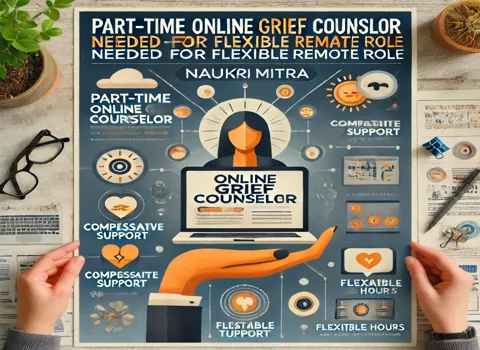
Some clients want a plan. Some just want someone who won't rush them off the phone. A good grief counselor knows the difference within the first ten minutes of a session, and this remote role is built for someone who's already learned that lesson the hard way, through practice, not theory.
The role, in plain terms
You'd be counseling people through loss — sudden deaths, drawn-out illnesses that ended the way everyone feared, the grief that shows up before someone even dies. Everything happens over video, so your caseload won't look like that of a typical local practice. You might have a client in Ohio at 9 am and one in Arizona right after lunch. The work stays the same either way: show up prepared, stay present, and don't make the session about your own discomfort with hard topics.
What the week actually looks like
No two days are identical, but the shape is fairly consistent.
- One-on-one video sessions, usually the bulk of your calendar
- Occasional group sessions and grief workshops, depending on demand
- Using CBT, ACT, or narrative therapy — whichever fits the client in front of you, not whichever you default to
- Writing session notes and keeping records current and HIPAA-compliant
- Reaching out to a psychiatrist or social worker when a case needs more hands than yours alone
- Knowing when to refer someone out instead of holding onto a case that's outgrown what you can offer
What you need to bring
This isn't an entry point into counseling. You should already have:
- A Master's degree in counseling, psychology, social work, or something adjacent
- An active counseling or therapy license — LPC, LCSW, LMFT, or equivalent — that's valid in the U.S.
- At least 2 years working directly in grief counseling, bereavement support, or broader mental health therapy
- Real experience running sessions on a teletherapy platform, not just a willingness to learn one
- The patience to let a client sit in silence without filling it for them
Good judgment matters more than a checklist here. You'll be working most of the time independently, so you need to trust your own read on a case — and know when it's time to ask a colleague for a second opinion.
Helpful, not required
- A certification in grief or trauma work
- Experience with LGBTQ+ clients, veterans, or communities whose grief looks different from the mainstream picture
- Some background running groups or building a workshop from scratch
- Spanish fluency
Pay and what comes with it
The role pays
$90,993 a year. Beyond salary, there's a real support system attached:
- Fully remote, with enough schedule flexibility to shape your caseload around your own hours
- Paid time off plus separate wellness days — not the same bucket
- Health, dental, and vision coverage
- Tuition reimbursement and covered continuing education
- A retirement plan with employer contributions
- An Employee Assistance Program, because holding space for other people's grief takes something out of you too
The team
It's a small group, and people actually check in with each other — not as a formality, but because heavy caseloads need that. There's regular peer consultation built into the schedule, so a rough case doesn't sit on your shoulders alone until your next scheduled review. Naukri Mitra has placed clinicians into remote roles like this one before, and the hiring process here mirrors what we ask of counselors: no rushing, no vague answers, actual follow-through.
You'll see clients whose lives look nothing alike — different faiths, different family structures, different ways of expressing pain or refusing to. That variety changes how a group gets run or how a session gets framed. If you've sat across from someone whose grief didn't match your own frame of reference and still found a way in, that's the background we're looking for.
Applying
Send a resume, and add a few lines on how you actually approach grief work — skip the formal cover letter if you want. Clinicians based outside the U.S. can apply too, as long as you hold current U.S. licensure. Applications get reviewed as they come in, and we reach out directly once we've had a real look at your background.