📚 Table of Contents
- Introduction
- Real Experiences & Storytelling
- The Everyday Challenges of Switching Routines
- The Upsides and Hidden Risks of Hybrid Life
- Understanding the Human Side of Hybrid Work
- Relatable Examples
- What Really Matters in Hybrid Work
- Skills and Tools to Protect Mental Well-Being
- Career Growth / Future Scope
- Step-by-Step Guide / How to Start
- Final Thoughts
How Hybrid Jobs Affect Employee Mental Health
Introduction
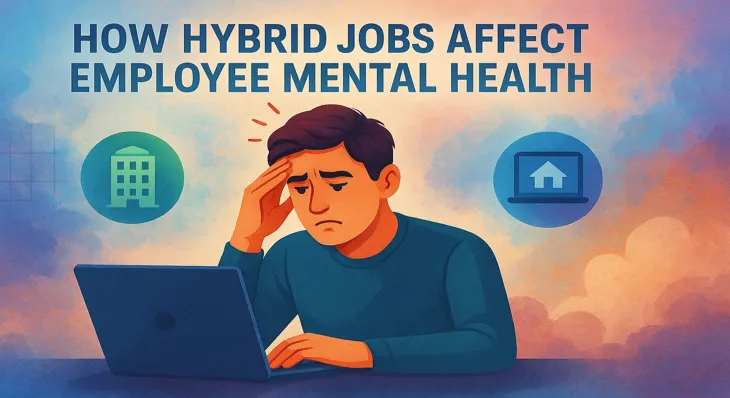
Ever drag yourself out of bed after a couple of office days, only to dread the switch back to working from home? Flexibility sounds impressive on paper—skip the commute, choose your vibe—but it’s not always sunshine. Sometimes it leaves you wired, sometimes it leaves you flat. Hybrid jobs give us freedom, sure, but they also sneak in stress and blur the lines in ways we don’t expect. It’s a mix: some days feel balanced, others feel like chaos in disguise. People often ask: Does hybrid work really help, or does it slowly erode our productivity? And guess what? Balancing productivity with mental health isn’t a simple formula. It’s messy, it shifts week by week, and it takes more than just discipline to figure out.Real Experiences & Storytelling
Take Arjun, for instance. He loved the idea of working from home two days a week. But soon, the silence started to bite. By Friday, the lack of honest conversations left him restless. Hybrid work isolation crept in—fatigue set in, and motivation began to slip. Then there’s Priya. She thrives when she has control over her schedule. But here’s the thing—coping with hybrid schedules isn’t as smooth as it looks. One week she’s in rhythm, the next she’s juggling calls and office days like an evil circus act. Stress in hybrid jobs can build slowly, without you even noticing at first. Flexibility works like magic for some people. For others? It piles on new stress in places they never expected.The Everyday Challenges of Switching Routines
Flexibility always looks perfect when you write it down. But in real life? It’s messier. Ever rolled out of bed wondering if today’s an office day or a home day—and felt that tiny pinch of stress when you check the calendar? That’s how mental fatigue in hybrid roles sneaks in. Some people thrive in quiet home setups. Others feel the silence turning into a form of work-from-home loneliness. Balance? It’s possible. But let’s be honest—it takes constant effort, and some days it feels like swimming against the current.The Upsides and Hidden Risks of Hybrid Life
Hybrid jobs aren’t going anywhere. They save you hours in traffic and let you wear pajamas while writing reports. Sounds dreamy, right? But here’s the kicker—without ground rules, it’s easy to slide into bad habits. Midnight emails. Missed lunches. Days that blur together until Friday feel exactly like Monday. That’s not balance, that’s burnout in disguise. And it sneaks up faster than you think.Understanding the Human Side of Hybrid Work
If you’re reading this, chances are you’ve felt the weight of hybrid work. Maybe it’s the scattered week or the exhaustion that lingers even after logging off. The stress of hybrid jobs can build slowly, often without you noticing at first. And yes, without balance, flexible working can sometimes lead to low mood or even depression. But listen—you’re not failing. You’re not alone. Many people face the same mix of stress and confusion. The good news? You can build resilience at work and protect your employees' well-being with simple changes. Small moves add up fast, and burnout prevention is possible. A Microsoft survey found that more than 4 in 10 hybrid workers struggle to set boundaries and protect their mental health. That’s not just a stat—it’s proof that this struggle is real.Relatable Examples
Think of it like a schedule for an exam. One week, you know the plan: study at home, meet classmates at school. But when the schedule keeps flipping? It’s harder to focus. That’s where psychological safety at work matters—it keeps everyone steady when routines fall apart. Or picture cooking. Some days you’re in your own kitchen, adjusting spices the way you like. Other days, you’re in a crowded kitchen where everyone uses different tools. Exciting? Sure. Exhausting? Absolutely. Without balance, hybrid work-life integration feels like a recipe gone wrong.What Really Matters in Hybrid Work
At the core, hybrid work isn’t just about location. It’s about how it makes you feel. Energy. Focus. Connection. When companies take employee wellness seriously, they create environments where people don’t just survive—they actually feel safe, supported, and empowered to do their best work.Skills and Tools to Protect Mental Well-Being
Managing mental health at work in a hybrid setup takes fundamental skills. First, boundaries. Set them, guard them. Use calendars or apps to track office days so stress doesn’t pile up. Second, wellbeing tools—maybe it’s a meditation app, a short walk, or weekly team check-ins. These directly support emotional well-being in the workplace. Third, clear communication. Fewer mix-ups mean less workplace anxiety. At Naukri Mitra, we track what global employers want most, and guess what? Adaptability, resilience, and self-management are top priorities at work. These aren’t just shiny buzzwords. They’re the everyday skills people rely on to stay afloat at work.Career Growth / Future Scope
Hybrid work is the new normal. And careers will grow—or stall—based on how well people juggle productivity and mental wellness. Companies are already tuning in to employee wellness strategies. Those who adjust fast will stand out. Worried about hybrid work isolation? You’re not alone. The future is leaning on better collaboration tools and more innovative policies to make hybrid work smoother. Insights from platforms like Naukri Mitra indicate a growing global demand for professionals who can thrive in these setups while safeguarding their mental well-being at work.Step-by-Step Guide / How to Start
So, how do you start building balance in a hybrid role?- Set boundaries: Define your hours. Stick to them. That’s how you fight mental fatigue.
- Stay connected: Schedule chats or coffee breaks to beat work-from-home loneliness.
- Look after yourself: Short walks, stretch breaks, or meditation keep burnout at bay.
- Talk it out: Share updates with teammates to maintain psychological safety.
- Lean on tools: Calendars, planners, wellness apps—they’re small things that keep chaos in check.