Why Wellness Is Becoming a Billion-Dollar Remote Industry
The wellness space is no longer a side industry. It has quietly become one of the fastest-growing digital economies in the world. What used to be tied to gyms, clinics, and face-to-face coaching has now shifted into apps, virtual programs, wearable devices, and online communities that run 24/7.
Today, wellness is deeply connected with remote work culture, digital lifestyles, and the growing need for balance in an always-online world. From online fitness coaching and virtual therapy to meditation platforms and AI-driven nutrition planning, the wellness economy has become a powerful global force shaping how people live and spend.
This shift has created a massive opportunity—turning wellness into a billion-dollar remote industry that continues to expand across borders, devices, and demographics.
The Rise of the Remote Wellness Economy
The remote wellness economy did not appear suddenly. It evolved step by step as technology became more personal and people began prioritizing health more intentionally.
Instead of waiting for appointments or visiting physical centers, users now prefer instant access to health and wellness solutions through their phones and laptops.
Digital Health Becomes Part of Everyday Life
Digital health tools are now normal, not optional. People use online consultations, therapy apps, fitness trackers, and health-monitoring tools as part of their daily routines.
What makes this shift powerful is convenience. You no longer need to pause your life to focus on wellness—it fits naturally into your schedule.
Virtual Fitness Training Goes Global
Fitness has broken physical boundaries. A trainer in one country can now work with clients worldwide through live video sessions, recorded programs, and subscription-based coaching.
This has changed the economics of fitness entirely. Trainers are no longer limited by location, and users get access to a much wider range of expertise.
Mental Wellness Becomes a Priority
One of the strongest growth drivers is mental health awareness. Stress, anxiety, and burnout have pushed people toward digital mental wellness tools.
Meditation apps, online counseling, and mindfulness platforms are now widely used by students, professionals, and remote workers alike.
Key Drivers Behind the Billion-Dollar Wellness Boom
The rapid growth of the remote wellness industry is not accidental. It is driven by big behavioral, technological, and economic changes.
Remote Work Has Changed Daily Routines
Work-from-home and hybrid work models have reshaped how people structure their day. Without commuting, many are investing that time into fitness, mental health, and self-care routines.
Wellness has become part of productivity rather than something separate from it.
Mobile Technology Makes Wellness Always Available
Smartphones and wearable devices have made health tracking effortless. People now monitor sleep, steps, heart rate, stress levels, and workouts in real time.
This constant feedback loop encourages healthier habits and increases engagement with wellness platforms.
Companies Are Investing in Employee Wellness
Businesses are also fueling this growth. Remote teams need support systems to manage stress, improve focus, and avoid burnout.
As a result, corporate wellness programs now include virtual therapy, digital fitness subscriptions, and mental health platforms.
People Are More Health-Conscious Than Ever
Modern users are actively seeking better lifestyles. Fitness, nutrition, sleep quality, and mental well-being are now seen as essential pillars of success, not luxury habits.
Major Segments Driving the Remote Wellness Industry
The wellness industry is not a single category. It is a collection of multiple fast-growing digital segments working together.
Digital fitness is one of the strongest revenue generators. Trainers now offer personalized workout plans, live group sessions, and structured programs through apps and websites.
Users prefer these solutions because they are flexible, affordable, and easy to follow at home.
Mental wellness apps have become essential tools for managing stress and emotional balance.
Features like guided meditation, breathing exercises, therapy chats, and mood tracking help users build healthier mental habits over time.
Nutrition and Diet Coaching Online
Diet and nutrition services have also moved online. Instead of in-person consultations, users now receive customized meal plans, grocery lists, and lifestyle guidance digitally.
This makes healthy eating more practical and sustainable.
Sleep Tracking and Recovery Technology
Sleep has become a major focus area in wellness. Apps and wearable devices now analyze sleep cycles and suggest improvements for better recovery.
Better sleep is directly linked to better productivity, which is why this segment is growing quickly.
Business Opportunities in the Remote Wellness Market
The remote wellness industry is not only growing—it is also creating new income streams for individuals and companies.
Wellness Startups Are Scaling Fast
Startups in this space are building platforms that connect users with trainers, therapists, and health coaches globally.
Many rely on subscription models, which create stable and predictable revenue.
Content Creators Are Building Digital Wellness Brands
Fitness influencers, yoga instructors, and nutrition coaches are turning their knowledge into full-time digital businesses.
Through social media, paid memberships, and online courses, they are building global audiences and recurring income.
Recurring payment models are among the strongest aspects of this industry. Users are comfortable paying monthly fees for access to fitness programs, meditation tools, and coaching services.
Corporate Wellness Solutions Are Expanding
Companies are increasingly adopting wellness platforms for employees. This includes mental health support, fitness challenges, and stress management tools designed for remote work environments.
Real-World Examples of Remote Wellness Growth
The transformation is visible in real life.
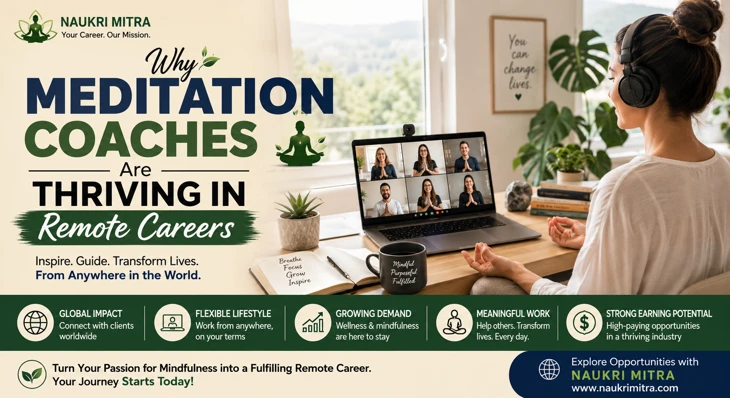
A yoga instructor who once taught in a small studio can now run live classes for students across multiple countries.
A personal trainer can sell digital workout plans that generate income even while they sleep.
A nutrition coach can manage clients entirely through apps and video calls, without meeting them in person.
These examples show how wellness professionals are no longer limited by geography. Their reach is now global.
Challenges in the Remote Wellness Industry
Even with strong growth, the industry faces real challenges that businesses must address.
Increasing Competition
As more professionals enter the digital wellness space, standing out has become harder. Strong branding and niche positioning are essential.
Trust and Credibility Issues
Since wellness directly affects health, users are cautious. Platforms must ensure expert-backed content and transparent practices.
Digital Access Gaps
Not all users have equal access to technology or a stable internet, which limits reach in some regions.
Retention and Engagement Problems
Keeping users active over time is difficult. Many apps see strong initial usage but low long-term engagement.
Future Trends Shaping the Wellness Industry
The next phase of wellness will be more intelligent, immersive, and deeply personalized.
AI-Powered Health Coaching
Artificial intelligence will help create customized fitness routines, diet plans, and mental health support based on real-time user data.
Virtual Reality Wellness Experiences
VR-based meditation and fitness environments will make wellness more interactive and immersive than ever before.
Hyper-Personalized Wellness Plans
Future platforms will use behavioral and biological data to create highly specific wellness recommendations for each individual.
Global Wellness Communities
Online communities will continue to grow, allowing people to share progress, motivation, and experiences across borders.
Frequently Asked Questions (FAQs)
Why is the remote wellness industry growing so fast?
It is growing due to remote work culture, digital accessibility, and increasing awareness of physical and mental health.
What are the most popular online wellness services?
Online fitness training, meditation apps, telehealth services, and nutrition coaching are the most widely used.
Can wellness businesses run fully online?
Yes, many businesses now operate completely online using apps, video sessions, and subscription platforms.
Is the wellness industry profitable?
Yes, it is one of the fastest-growing digital markets with strong recurring revenue potential.
What skills are needed in the wellness industry?
Skills include health knowledge, communication, digital tools, content creation, and marketing.
Conclusion
The rise of the billion-dollar remote wellness industry reflects a major global shift in how people think about health, lifestyle, and productivity.
With digital tools becoming more advanced and wellness becoming part of everyday routines, this industry is set to grow even further.
The opportunity is no longer limited to experts or large companies. Anyone with the right knowledge and digital presence can now build a presence in this expanding global wellness ecosystem.