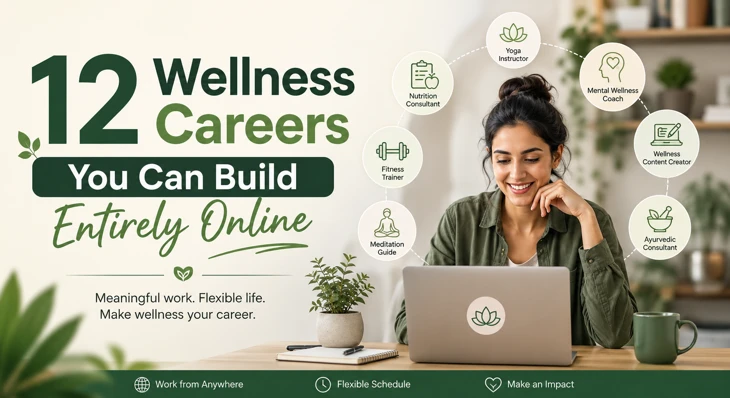
12 Wellness Careers You Can Build Entirely Online
A few years ago, the idea of working in wellness without a clinic, studio, or office would’ve sounded unrealistic. Today, it’s not only possible—it’s becoming normal.
People are learning yoga from their living rooms, getting nutrition guidance over video calls, and joining fitness programs run entirely through apps. Wellness has quietly moved into the digital world, creating space for new kinds of careers that didn’t exist before.
What’s interesting is that this shift isn’t just about technology. It’s about how people live now. Busy schedules, remote work, and rising health awareness have all pushed wellness services online.
If you’ve been thinking about entering this space, you don’t need a perfect background or a big setup. Most people start small—sometimes just with a skill, a laptop, and the willingness to show up consistently.
Below are 12 wellness careers you can build entirely online, explained in a practical, real-world way.
1. Online Health Coach
Online health coaching often starts with something simple: helping someone feel better in their daily routine.
It’s rarely about dramatic transformations overnight. Instead, it’s small adjustments—sleep timing, eating habits, stress levels, and movement during the day.
Most coaches work through video calls, voice messages, and weekly check-ins. Clients don’t usually need complicated systems. They need someone who keeps things clear and doable.
For example, someone struggling with low energy might not need a strict diet plan. They might just need structured sleep habits, better hydration, and gentle accountability.
That’s where this role becomes powerful—not in telling people what to do, but in helping them actually stick to it.
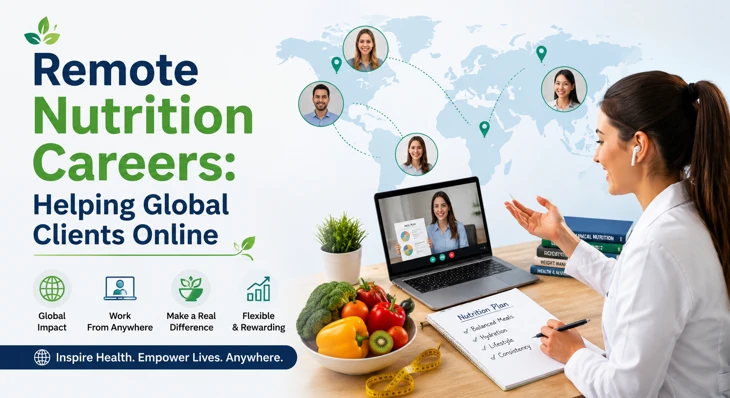
2. Online Nutrition Consultant
Food is personal. That’s why nutrition consulting works so well online.
Instead of handing out rigid meal charts, most consultants now focus on understanding lifestyle first—work schedules, preferences, cultural food habits, and health goals.
From there, guidance becomes more realistic. Maybe it’s improving breakfast habits, adjusting portion sizes, or finding healthier alternatives that don’t feel restrictive.
A lot of the work also continues outside sessions. Simple messages like “what should I eat today?” or “is this okay for my goal?” are common, which makes the relationship ongoing rather than a one-time advice session.
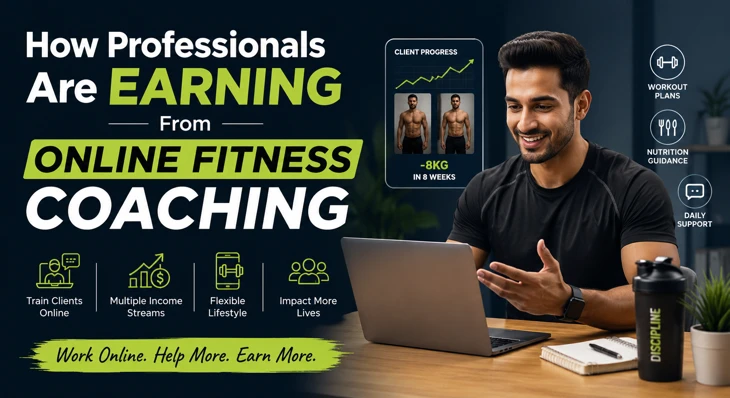
3. Virtual Fitness Trainer
Fitness has changed more in the last five years than in decades before it.
You no longer need a gym floor to guide someone through a workout. Many virtual fitness trainers now deliver their services through Zoom classes, recorded sessions, or structured fitness apps.
A typical setup might look like this: a client follows a weekly workout plan, records progress, and checks in with the trainer once or twice a week for adjustments.
Some trainers even run group challenges—like 21-day home workouts—where people stay connected through group chats while following the same routine.
The interesting part? People often stay more consistent online than in gyms because guidance is always just a message away.
4. Mental Wellness Coach
Not everyone needs therapy, but almost everyone needs someone to talk to.
That’s where mental wellness coaching fits in. It focuses on stress, overthinking, emotional habits, and mindset patterns that affect daily life.
Sessions usually feel relaxed, almost like guided conversations. A coach might help someone understand why they procrastinate under pressure or why they feel mentally drained even after rest.
Simple tools like journaling, breathing techniques, or structured reflection exercises often make a big difference over time.
What makes online coaching effective is comfort—people tend to open up more when they’re in their own space.
5. Online Yoga Instructor
Yoga has always been adaptable, so moving online felt natural.
Today, instructors teach everything from gentle stretching routines to advanced flows through live classes and recorded videos.
Some focus on short sessions for busy professionals. Others build full programs around flexibility, posture correction, or relaxation.
A growing trend is niche yoga—for example, yoga for people who sit at desks all day, or bedtime yoga designed to improve sleep.
This flexibility allows instructors to reach far more people than a physical studio ever could.
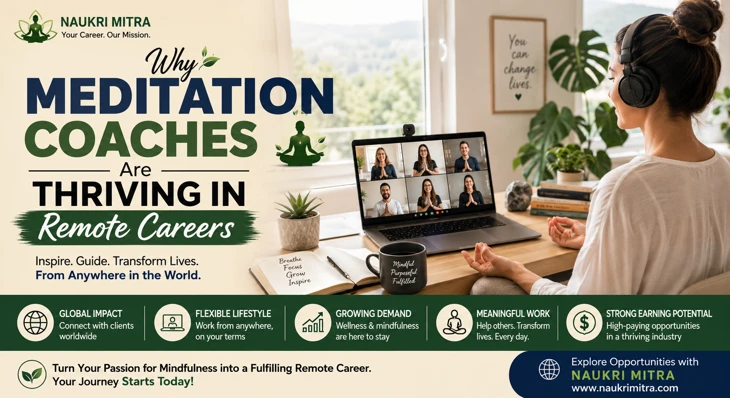
6. Meditation and Mindfulness Guide
Life feels loud most of the time. Meditation guides help people find a bit of quiet in the middle of it.
This work usually involves creating guided sessions that help with focus, anxiety, or sleep.
Some guides run live sessions. Others build libraries of recordings that people can use anytime—for morning focus, midday reset, or nighttime relaxation.
Over time, many turn this into subscription-based platforms where users return daily for short mental resets.
7. Wellness Content Creator
Not every wellness career happens in private sessions. Some grow by sharing openly online.
Wellness content creators talk about fitness routines, mental clarity, daily habits, and real-life health experiences.
At first, it might just be simple posts or short videos. But as consistency builds, so does trust.
Some creators eventually collaborate with brands, sell digital guides, or launch their own wellness programs.
What matters most here isn’t perfection—it’s relatability. People follow what feels real.
8. Online Ayurvedic Consultant
Ayurveda has found a new audience online.
Consultants help people understand their body type, daily routines, and natural lifestyle adjustments based on traditional principles.
Instead of one-size-fits-all advice, everything is personalized—what works for one person might not work for another.
Online consultations make it easier for people around the world to access this system without needing in-person visits.
9. Sleep Improvement Coach
Sleep problems are more common than most people realize.
Sleep coaches work with individuals who struggle to fall asleep, stay asleep, or wake up feeling tired even after long rest.
They usually start by looking at daily patterns—screen time, stress levels, evening habits, and environment.
Then they introduce small, realistic changes, such as establishing bedtime routines or reducing late-night stimulation.
Even small improvements in sleep can completely change how someone feels during the day.
10. Holistic Wellness Advisor
This role is less about one specific area and more about the bigger picture.
A holistic wellness advisor considers lifestyle, stress, physical activity, emotions, and daily structure as a whole.
Instead of strict rules, the focus is on balance.
For example, if someone is overwhelmed, the solution might not be just exercise or diet changes—it might also involve simplifying routines or improving rest patterns.
It’s about creating something that actually fits into real life, not ideal conditions.
11. Remote Corporate Wellness Coach
Companies have begun to realize something important: healthier employees perform better.
That’s why remote wellness coaches are now working with teams through virtual workshops and group sessions.
Topics often include stress management, preventing burnout, improving focus, and building healthier work habits.
These sessions are usually scheduled regularly, making this one of the more stable online wellness careers.
12. Online Wellness Course Creator
Creating online courses is one of the most scalable ways to grow in the wellness space.
Instead of working with one person at a time, you create structured learning once and share it with many people.
Courses might focus on fitness, mental wellness, nutrition basics, or complete lifestyle transformations.
The benefit is long-term impact. A single course can continue helping people months or even years after it’s created.
How People Usually Start in Online Wellness Careers
Most people don’t begin with everything figured out. They start with one skill, one idea, and a willingness to learn as they go.
Some begin by offering free sessions to build experience. Others start by sharing content online to see what resonates.
Over time, confidence builds through repetition—not planning.
Simple tools like video calls, messaging apps, and basic websites are often enough in the beginning.
Why This Space Keeps Growing
Wellness is no longer something people visit occasionally. It’s becoming part of daily life.
And because life itself has become more digital, wellness naturally followed.
People want support that fits into their routine instead of interrupting it.
That’s exactly why online wellness careers continue to grow year after year.
FAQs
1. Do I need certification to start?
It depends on the path. Some roles require formal training, while others are built on experience and communication skills.
2. Can beginners enter this field?
Yes. Many people start small and learn through practice rather than formal routes.
3. Is this a full-time income opportunity?
It can be. Income depends on niche, consistency, and how services are structured.
A laptop, an internet connection, and basic communication platforms are enough to get started.
5. Is competition too high?
There is competition, but also strong demand. A clear focus helps you stand out.
Conclusion
Online wellness careers are shaping a new way of working—one that blends flexibility with meaningful impact.
Whether it’s coaching, teaching, or creating content, there are multiple paths to build something sustainable in this space.
You don’t need to rush. Start small, stay consistent, and let your direction evolve naturally as you gain experience.