Why Sustainability Is Becoming the Hottest Global Career Path
Something interesting is happening in the world of work right now. Careers are no longer just about climbing a ladder or chasing the highest paycheck. People are starting to ask a different question altogether—what kind of impact will my work actually leave behind?
That shift in thinking is one of the biggest reasons sustainability has moved from a quiet academic subject into one of the most in-demand global career paths today. It’s not loud, it’s not temporary, and it’s definitely not a passing trend. It’s becoming part of how modern businesses survive and grow.
And that’s exactly why sustainability careers are showing up everywhere—from energy companies to fashion brands to tech giants.
The Quiet Rise of a Global Shift
A few years ago, sustainability was something companies talked about in annual reports or marketing campaigns. Now it sits inside boardroom decisions.
Why? Because businesses can’t ignore environmental pressure anymore. Customers notice. Investors ask questions. Governments tighten rules. And suddenly, companies that never thought about emissions or waste are trying to figure it all out quickly.
This is where sustainability professionals come in—not as outsiders, but as people helping shape how entire systems work.
Whether it’s cutting down carbon emissions, improving supply chains, or building renewable energy strategies, sustainability has quietly become a core part of business planning.
And the demand for skilled people in this space keeps rising.
Why Sustainability Careers Are Growing So Fast
There isn’t just one reason behind this rise. It’s a mix of real-world pressure, awareness, and survival.
People are thinking differently now
Consumers have changed. People pay attention to how things are made, where they come from, and what impact they leave behind. Even small choices like packaging or energy use matter more than ever before.
Because of that, companies are adjusting quickly. And when companies change, hiring follows.
That’s why roles related to environmental sustainability, including green consulting careers, are increasing across industries.
Profit is no longer the only scoreboard
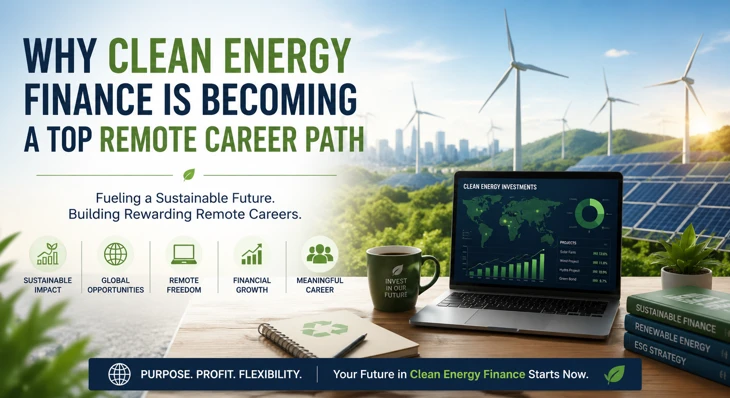
Businesses are now judged on more than revenue. ESG performance—environmental, social, and governance factors—plays a big role in how companies are viewed by investors and stakeholders.
This shift has quietly created entirely new career paths, such as ESG analysts, sustainability reporting specialists, and climate risk advisors.
These are not “nice-to-have” roles anymore. They’re becoming essential.
Rules are getting stricter everywhere
Governments across the world are tightening environmental standards. From emissions to waste management, companies now have to follow clearer sustainability rules.
And compliance isn’t optional. It requires people who understand both policy and practical implementation.
That’s another reason sustainability careers are expanding so quickly.
Where Sustainability Jobs Are Actually Growing
One of the most surprising things about this field is how widespread it is. It doesn’t sit within one industry—it spans many.
Renewable energy is leading the way
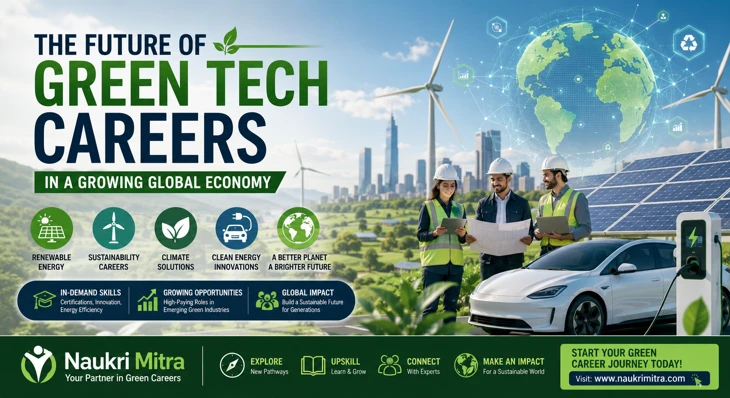
Solar farms, wind projects, hydro systems—these are growing at a massive scale. Every project needs engineers, planners, and analysts who understand how to build clean energy systems that actually work in the real world.
It’s one of the fastest-growing areas for renewable energy careers right now.
Big companies are building internal sustainability teams
Many large organizations now have dedicated sustainability departments. These teams don’t just “advise”—they actively redesign how the company operates.
From reducing emissions to rethinking logistics, they work at a structural level.
Construction is changing quietly but completely
Modern buildings are no longer just about design and durability. Energy efficiency, materials, and long-term environmental impact are becoming part of every architectural decision.
Sustainability professionals are helping shape this new direction.
Consulting is a major entry point
A lot of businesses don’t know where to start. So they bring in sustainability consultants to assess operations and suggest practical improvements.
This role is especially important for companies trying to transition without disrupting their entire system.
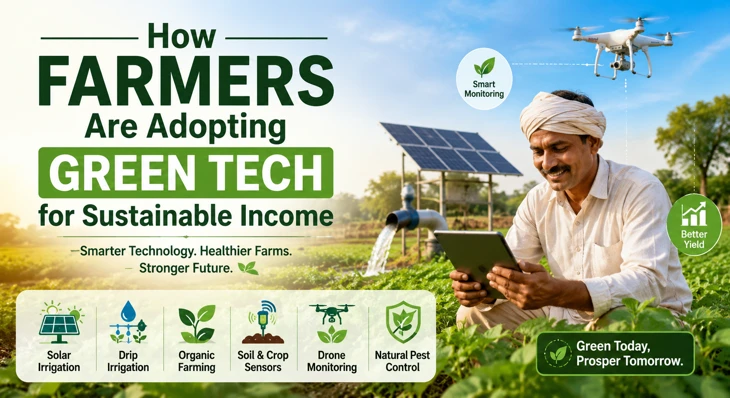
Food production has a huge environmental footprint. That’s why sustainable farming methods, soil conservation, and eco-friendly supply chains are gaining attention.
This sector is quietly becoming one of the most important parts of sustainability work.
The Roles That Define This Career Path
There’s no single version of a sustainability job. The field is wide, and the roles vary depending on skills and interests.
A sustainability consultant might spend their day analyzing operations and suggesting improvements. An environmental analyst might work more with data—studying pollution levels or resource usage.
ESG analysts focus on company performance from an investment perspective, helping investors understand risk and responsibility.
Renewable energy engineers design systems that turn natural resources into usable power. Meanwhile, climate policy specialists work with governments and organizations to shape long-term environmental strategies.
What connects all these roles is simple—they all help reduce environmental impact in practical ways.
Skills That Actually Matter in This Field
You don’t need to be a scientist to enter sustainability, but you do need the right mindset and skills.
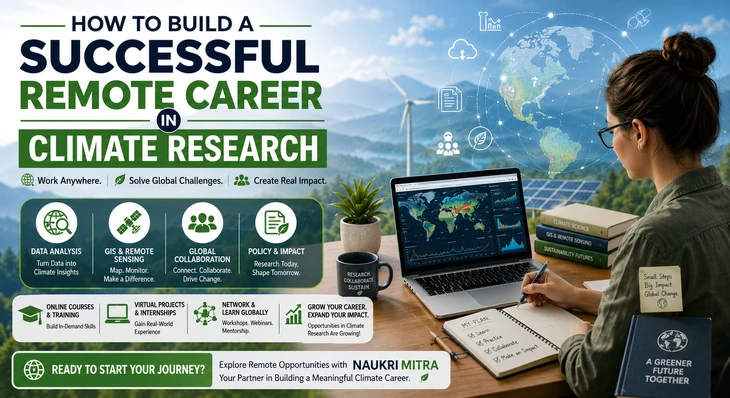
Being able to understand data and spot patterns is important because much sustainability work involves numbers—emissions, energy use, efficiency metrics.
But technical knowledge alone isn’t enough.
You also need to explain ideas clearly. Many sustainability professionals spend time translating complex concepts into simple language that business leaders can act on.
Project management skills matter too, because many initiatives take months or even years to implement.
And above all, adaptability is key. This field changes fast—new policies, new technologies, new expectations.
Why So Many Young Professionals Are Moving Toward It
There’s a noticeable shift happening among students and early-career professionals. More people are choosing sustainability not just for stability, but for meaning.
They want work that feels connected to something bigger than quarterly targets.
At the same time, the opportunities are global. A sustainability professional can work across industries and countries without being tied to one path.
And because climate challenges are not slowing down, demand is likely to grow steadily for years to come.
There’s also a strong innovation angle. From carbon-tracking software to clean-tech startups, this field is full of new ideas being tested in real time.
A Real Example That Makes It Clear
Think about a large manufacturing company struggling with rising costs and environmental pressure.
Instead of making small adjustments, they built a dedicated sustainability team. That team redesigned supply chains, introduced renewable energy into production, and reduced waste across operations.
Within a few years, emissions dropped significantly—and operational costs followed.
That’s the part many people miss. Sustainability isn’t only about responsibility. It often leads to smarter, more efficient systems.
The Challenges Nobody Talks About Enough
Like any growing field, sustainability isn’t perfect or easy.
One of the biggest challenges is how quickly regulations change. Professionals have to stay updated constantly.
Another issue is complexity. Sustainability data can be overwhelming, especially when it involves global supply chains or long-term environmental tracking.
And in some industries, change is slow. Not every organization is ready to invest heavily in sustainability right away.
But even with these challenges, the direction is very clear—the field is only expanding.
What the Future Looks Like
If there’s one thing that stands out, it’s this: sustainability is becoming part of everything.
It’s not going to remain a separate department forever. It’s slowly becoming part of every business function—finance, operations, marketing, and product design.
Technology will also play a huge role. Artificial intelligence, data analytics, and clean energy innovations are already reshaping how sustainability work is done.
In the near future, professionals who combine technical knowledge with environmental understanding will have a strong advantage.
FAQs
What are sustainability careers?
They are roles focused on reducing environmental impact and improving resource use across industries.
Is there real demand for sustainability jobs?
Yes, demand is rising quickly due to climate goals, business pressure, and regulatory changes.
What kind of education helps in this field?
Environmental science, engineering, business, and related fields are common entry points, along with certifications.
Is this a stable long-term career option?
Yes, it is widely considered one of the most future-relevant career paths.
Which industries hire sustainability professionals?
Energy, construction, consulting, agriculture, manufacturing, and corporate sectors are all hiring.
Data analysis, communication, environmental understanding, and adaptability are key.
Conclusion
Sustainability is no longer sitting on the sidelines of business. It’s becoming part of how the world works.
From global corporations to small startups, everyone is being pushed toward cleaner, smarter, and more responsible systems.
That’s why sustainability careers are growing so quickly—not because they are trendy, but because they are necessary.
For anyone looking at the future of work, this field offers something rare: purpose, growth, and long-term relevance all at once.