📚 Table of Contents
- Introduction
- Real Experiences & Storytelling
- Why Most Beginners Struggle in Penetration Testing
- Clever Shortcuts to Learn Penetration Testing Faster
- Overcoming Fear and Self-Doubt in Cybersecurity
- Practical Examples You Can Learn From
- Hands-On Learning, Not Theory
- Key Skills / Tools / Insights
- Career Growth / Future Scope
- Step-by-Step Guide / How to Start
- Conclusion + Call-to-Action
Remote Penetration Testing: How to Build a High-Income Cybersecurity Career
Introduction
Think about it—every day, organizations worldwide are attacked by hackers. Data breaches can cost companies millions, and trust is lost in mere seconds. For every hacker trying to break in, there’s a company urgently looking for someone who can think like them—but use those skills for defense. That’s where remote penetration testing comes in. It’s one of the most exciting and rewarding paths in cybersecurity, offering both financial freedom and flexibility. If you’ve ever wondered how to break into this field, whether you need an ethical hacking certification, or if the effort is worth the payoff, you’re not alone. Many people hesitate due to doubts about technical complexity, cost, or career advancement. With a clear roadmap, you can turn penetration testing into a lucrative, future-proof career that also gives you remote freedom. Let’s break this down together—step by step.Real Experiences & Storytelling
Picture this: a young IT graduate, curious but unsure, stumbles into bug bounty programs online. At first, it’s confusing—hundreds of rules, dozens of platforms. Yet, after months of persistence, they discover their first vulnerability in a primary web application. That single find earns them more than their entire monthly salary from their day job. Suddenly, a spark is lit. Another example? A mid-career sysadmin burned out from late-night server calls. They dive into offensive security skills and start helping companies identify weaknesses before hackers exploit them. Within a year, they transition fully into penetration testing, working remotely for clients worldwide. What began as curiosity becomes independence. These stories aren’t rare—they’re becoming more common as companies recognize the value of professionals who can identify issues through vulnerability assessments before real damage occurs.Why Most Beginners Struggle in Penetration Testing
Ever wondered why most people struggle in their first attempt to become ethical hackers? The answer isn’t lack of talent—it’s lack of direction. Some dive headfirst into exploit development without mastering the basics. Others get lost in endless tutorials without putting their knowledge into practice. What nobody tells you is that structured learning, real-world practice, and a clear penetration tester roadmap make all the difference. Success in cybersecurity isn’t about racing—it’s about building a strategy step by step.Clever Shortcuts to Learn Penetration Testing Faster
Look, let’s keep it real. Nobody becomes a pro overnight. But there are shortcuts to avoid wasting years. You don’t need to learn every tool at once. Start with the essentials. Learn network security testing and web application security first—they’re the bread and butter of penetration testing. Once you get confident, then branch out into advanced areas like red team operations or wireless security testing. Think about it this way: when you focus on practical basics, you’ll see progress much faster.Overcoming Fear and Self-Doubt in Cybersecurity
I get it—you’re probably overwhelmed. Maybe you’ve heard about social engineering attacks and thought, “That sounds way too advanced for me.” Or you read about zero-day vulnerabilities and felt like you’ll never catch up. Every expert you admire once felt the same. Confusion, doubt, imposter syndrome—it’s part of the journey. But they pushed through, one skill at a time. You don’t need to know everything today. Focus on steady growth:- Build incident response skills
- Practice cyber defense strategies gradually.
- Take it one layer at a time.
Practical Examples You Can Learn From
Think of learning penetration testing like preparing for a big exam. First, you review the basics. Then, you practice with mock tests. Finally, you apply your skills in real scenarios. That’s precisely what the OSCP certification path looks like—a structured approach that takes you from beginner to professional. Or consider the workplace: imagine an employee reporting phishing emails. That’s the ground-level defense. But when you, as a penetration tester, simulate advanced persistent threats, you’re training that company to withstand the worst-case scenario. In short, just like school or work projects, it’s about building step by step.Hands-On Learning, Not Theory
Here, you’ll dive into the exciting parts of cybersecurity. You’ll break things, fix them, and learn faster than you ever thought possible—no generic instructions—just practical, relatable guidance. This isn’t theory. It’s hands-on, human, and tailored to real-world results.Key Skills / Tools / Insights
To thrive in remote penetration testing, you need a strong toolkit and the right mindset. Let’s explore the most essential skills:- Cloud penetration testing: As businesses move to the cloud, this skill is gold.
- Malware reverse engineering: Understanding how threats work helps you build stronger defenses.
- Exploit frameworks (Metasploit): Your go-to tool for real-world simulations.
- Digital Forensics Basics: Crucial for Analyzing Breaches.
- Information security training: Keeps your foundation strong.
Career Growth / Future Scope
The exciting part? The demand for penetration testers is skyrocketing worldwide. Whether as a freelancer, consultant, or full-time employee, the opportunities are limitless. As more companies adopt hybrid and remote work, the demand for cybersecurity analyst career roles and penetration testers is skyrocketing. Salaries are competitive—an ethical hacker's salary can rival or even exceed that of many traditional IT jobs.- According to industry reports, penetration testers earn between $85,000 and $130,000 annually in the U.S.
- Remote penetration testing jobs often pay even higher, primarily through cybersecurity freelancing platforms.
- High-paying cybersecurity jobs range from specialist testers to threat intelligence career experts.
- Cybersecurity Ventures predicts that 3.5 million unfilled cybersecurity jobs will exist worldwide by 2025, indicating a massive global demand.
Step-by-Step Guide / How to Start
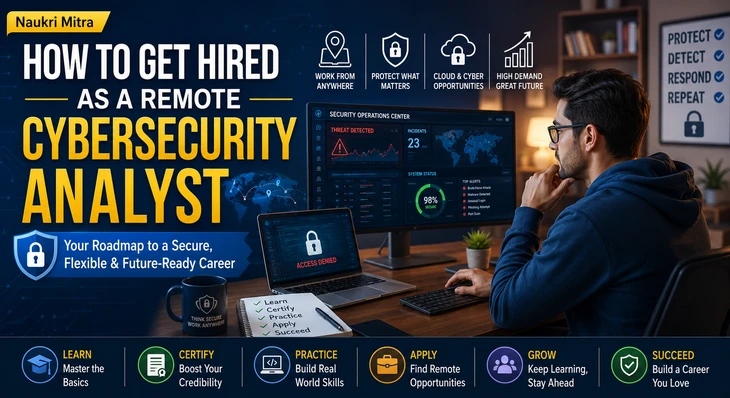
Here’s your roadmap to getting started:- Lay the foundation—begin with information security training. Understand core concepts.
- Select your tools – Practice with exploit frameworks (such as Metasploit) and basic vulnerability scans.
- Certifications help – Consider obtaining an OSCP or other ethical hacking certifications to boost your credibility.
- Practice in safe environments—join bug bounty programs or labs.
- Specialize – Choose an area, such as wireless security testing or cloud penetration testing.
- Build incident response skills—learn to handle breaches calmly and effectively.
- Network with pros – Connect with communities, share insights, and learn faster.