📚 Table of Contents
- Introduction
- Real Stories from Remote Counselors
- Why So Many Counselors Are Choosing Remote Work
- What It’s Really Like Starting Out
- Can Empathy Survive Online Counseling?
- Everyday Examples You’ll Recognize
- Why Real Voices Matter in Remote Counseling
- Skills & Tools You’ll Need for Remote Counseling
- Future of Remote Opportunities in Mental Health Careers
- How to Get Started (Step by Step)
- Conclusion + Call-to-Action
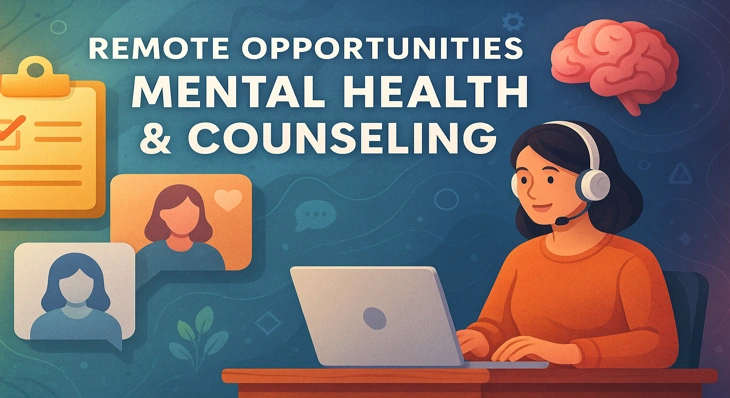
Remote Opportunities in Mental Health & Counseling
Introduction
Let’s be honest—finding meaningful work that also gives you flexibility isn’t easy. If you’ve been wondering how to balance your own well-being with a career that actually helps others, you’re not alone. Many professionals are seeking opportunities where they can make a meaningful impact without being tied to a single office or city. That’s where remote opportunities in mental health & counseling step in. Whether it’s through online therapy platforms or virtual mental health services, the demand for compassionate professionals who can connect with people digitally is on the rise. And yes, this shift is opening doors you may not have thought possible before.Real Stories from Remote Counselors
Maria, a licensed therapist, used to feel chained to her clinic’s hours. The commute wore her down, and family time was scarce. When she transitioned to digital counseling, everything shifted—now she helps clients across time zones and still cheers at her son’s soccer games. Funny enough, Jamal’s path was completely different. He began in customer support, but the pull to help people ran deeper. After training and online certifications, he found his path in remote emotional support work. Today, he’s guiding people through stress and anxiety from his laptop: different journeys, same freedom.Why So Many Counselors Are Choosing Remote Work
Ever wondered why so many professionals are drawn to remote behavioral health jobs lately? It’s not just about skipping the commute. It’s about freedom. Freedom to set your schedule. Freedom to serve clients from anywhere. And most importantly, freedom to shape your career in ways that feel authentic. That freedom comes with responsibility, though. Are you ready to adapt to tech tools, manage virtual sessions, and keep your focus sharp without the four walls of an office? If yes, then these teletherapy career options might be the best move you’ll ever make.What It’s Really Like Starting Out
Look, here’s the thing—nobody hands you a perfect remote career overnight. You’ll stumble, maybe overthink the tech, or feel nervous about that first online session. But that’s okay. You’ll figure it out, step by step. And once you do, you’ll realize how rewarding it feels to connect with clients who genuinely need your support—even if they’re miles away.- You’ll probably face tech hiccups.
- You might feel awkward on video at first.
- You’ll second-guess if you’re connecting enough.
- But each challenge gets easier with practice.
Can Empathy Survive Online Counseling?
Let’s pause for a moment. You might be stressed, and maybe you're second-guessing whether you’re cut out for this. It’s normal. Many people worry whether they’ll connect with clients through a screen or if they’ll miss the human touch. The good news? Technology doesn’t erase empathy. In fact, platforms for online therapy opportunities are designed to maintain that bond. Here’s the thing: whether you’re offering remote wellness coaching or guiding someone through anxiety in a video call, the impact is just as real. Many clients actually tell therapists they feel more comfortable talking from their own bedroom or living room—spaces where they feel safe. That shift is bigger than most people think. For many clients, logging in from their own bedroom makes therapy feel safer, more personal, and less intimidating than sitting in a clinic chair.Everyday Examples You’ll Recognize
Think back to school—some kids always preferred pulling the counselor aside instead of sending a note. That same need for honest conversation hasn’t gone away, even online. And just like in today’s workplaces, where managers now lead virtual team meetings, counselors are stepping into online counseling careers with surprising ease. A young psychologist recently transitioned into remote psychology jobs after realizing she could reach more diverse communities online than she ever could in her local clinic. She traded her noisy commute for coffee at her own kitchen table. The flexibility not only improved her work-life balance but also expanded her professional growth.Why Real Voices Matter in Remote Counseling
Instead of stiff job listings, this space is about real stories, hands-on tools, and the kind of strategies therapists actually use on a day-to-day basis. We’re talking about building a career where you genuinely impact lives without feeling trapped by outdated work models.Skills & Tools You’ll Need for Remote Counseling
When it comes to excelling in remote opportunities in mental health & counseling, specific skills set you apart. Adaptability is key—you’ll need to handle different clients, diverse cultural backgrounds, and sometimes unpredictable emotional responses. Strong communication is essential, especially in text- or video-based settings.- Online counseling platforms often look for:
- Tech comfort (navigating apps, video tools, and scheduling systems)
- Empathy in digital communication
- Understanding of data privacy and confidentiality
- Ability to manage multiple clients remotely
Future of Remote Opportunities in Mental Health Careers
The way things are heading, the future isn’t just promising—it’s urgent. More people reach out for mental health help each year, and digital tools are making it easier actually to meet them where they are. Whether you’re aiming for therapist jobs working from home or exploring leadership in virtual therapist positions, the options are wide open.- The demand for flexible online therapy continues to increase annually.
- WHO estimates nearly 1 in 8 people worldwide live with a mental disorder.
- Online services are bridging critical gaps in access.
- Platforms like Naukri Mitra demonstrate that organizations are rapidly expanding their digital offerings.
How to Get Started (Step by Step)
Starting might feel overwhelming, but let’s break it down:- Get Certified or Licensed: If you’re a therapist, ensure your license allows you to practice online across states or countries.
- Choose Your Path: Decide if you want to focus on virtual mental health services, coaching, or specialized therapy.
- Join Trusted Platforms: Many online therapy platforms welcome new professionals, offering tools to manage your practice.
- Build Your Tech Setup: Invest in a reliable internet connection, a private workspace, and high-quality video tools.
- Keep Learning: Mental health trends evolve—stay updated with courses. Don’t stress if it feels overwhelming at first—almost every remote therapist says they had to figure things out one step at a time.