Remote Logistics and Supply Chain Careers: Skills, Tools, and Job Growth Insights
Introduction
Remote logistics and supply chain careers have quietly become among the most practical and fastest-growing options in today’s digital economy. Not long ago, most supply chain work was tied to warehouses, ports, and office desks filled with paperwork. Now, much of it runs through dashboards, cloud platforms, and real-time communication tools.
What’s interesting is how normal this shift has become. Companies are no longer asking where you work from—they care more about whether you can keep goods moving efficiently, spot delays early, and coordinate across teams that may be spread across continents.
This change has created real opportunities for people exploring remote supply chain jobs, especially those comfortable working with data, communication tools, and structured problem-solving.
How Remote Logistics and Supply Chain Careers Actually Work
At its heart, supply chain management is still about one thing: making sure the right product reaches the right place at the right time. The difference now is how it gets done.
Instead of physically checking inventory or standing at shipping docks, professionals rely on digital systems that provide real-time updates on stock levels, shipping routes, supplier activity, and demand patterns.
A typical day in remote logistics might involve:
- Checking shipment delays on a global tracking dashboard
- Coordinating with suppliers through messaging tools
- Updating inventory records in cloud-based systems
- Reviewing demand forecasts for upcoming orders
- Solving unexpected disruptions before they escalate
It’s less about physical movement and more about staying alert, organized, and responsive in a fast-moving digital environment.
Why Remote Supply Chain Jobs Are Expanding So Quickly
The growth of remote supply chain jobs isn’t random—it’s tied to major shifts in how global business operates.
Businesses now operate without borders
Products are designed in one country, manufactured in another, and shipped worldwide. Managing this kind of complexity requires teams that can work across time zones without being physically present.
Technology has changed the workflow
Modern supply chains run on ERP systems, AI-powered forecasting tools, and automated tracking platforms. These tools make it possible to monitor and manage operations from anywhere with internet access.
E-commerce has raised expectations
Customers expect faster deliveries and real-time updates. This pressure forces companies to maintain constant visibility into their supply chains, which is easier when teams are digitally connected.
Remote hiring is now a business advantage
Companies are realizing that hiring remote talent is not just cost-effective—it also gives them access to a much wider pool of skilled professionals.
Common Remote Logistics and Supply Chain Career Paths
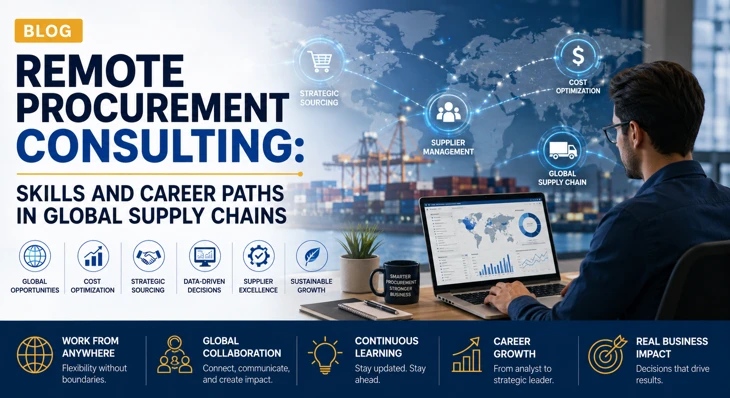
There isn’t just one type of role in this field. Remote logistics and supply chain careers encompass a wide range of responsibilities, depending on experience and interests.
Supply Chain Analyst
This role focuses on data. Analysts study patterns in demand, inventory movement, and supplier performance. Their insights help companies make better decisions and reduce waste.
Logistics Coordinator
A logistics coordinator ensures shipments move smoothly from one point to another. They track deliveries, communicate with carriers, and handle unexpected delays.
Procurement Specialist
Procurement professionals manage supplier relationships and purchasing decisions. Much of their work happens through digital platforms, emails, and contract systems.
Inventory Controller
This role is all about balance—making sure stock levels are neither too high nor too low. Inventory controllers rely heavily on software to track movements across locations.
Supply Chain Consultant
Consultants step in to improve systems. They look at existing processes and suggest smarter, more efficient ways to run supply chain operations.
Skills That Truly Matter in Remote Supply Chain Careers
Success in this field depends less on where you are and more on how you think and communicate.
Analytical thinking is a big one. You’ll often need to look at numbers and quickly understand what they’re saying about real-world operations. A delay in data might mean a delay in delivery.
Communication is just as important. Most coordination happens over chat or email, so clarity matters more than ever. A poorly written message can easily cause confusion across teams in different countries.
Time awareness also plays a role. When you’re working with global teams, your morning might be someone else’s evening. Managing this flow smoothly is part of the job.
Then there’s comfort with tools. Whether it’s Excel, ERP systems, or dashboards, you don’t need to be highly technical—but you do need to feel confident navigating digital systems.
And finally, there’s problem-solving. Supply chains rarely go exactly as planned. The professionals who do well are the ones who stay calm when things shift unexpectedly.
Behind every remote logistics role is a set of tools that keep everything connected and visible.
ERP platforms like SAP or Oracle are often the backbone. They consolidate procurement, inventory, and logistics data into a single system so teams can work from a single source of truth.
Inventory tools such as NetSuite or Zoho Inventory help track stock movement in real time, reducing guesswork and manual errors.
Project management tools like Asana, Trello, or Monday.com help teams stay aligned on tasks and deadlines without constant meetings.
Communication platforms such as Slack, Microsoft Teams, and Zoom keep everyone connected regardless of location.
And then there are analytics tools like Excel, Power BI, and Tableau, which turn raw supply chain data into clear insights that guide decisions.
A Realistic Look at Remote Logistics Work
Imagine a global retail brand selling across Asia, Europe, and North America.
A logistics coordinator working remotely notices a delay in a shipment coming from a European warehouse. Instead of waiting for updates, they immediately check the ERP system, confirm the issue with the supplier over Slack, and update internal dashboards so customer service teams can adjust expectations.
No warehouse visit. No physical inspection. Just quick thinking, clear communication, and the right tools.
That’s what remote supply chain careers look like in real life—fast decisions, constant updates, and digital coordination across borders.
Career Growth in Remote Logistics and Supply Chain Careers
The future of this field is strongly tied to global expansion and digital transformation.
More companies are relying on data to drive supply chain decisions, which increases demand for professionals who understand analytics and reporting.
As businesses expand into new markets, the need for people who can manage global logistics remotely continues to grow.
Remote work itself is also becoming a long-term model rather than a temporary option. Many organizations now build their teams with remote roles in mind from the start.
There is also growing interest in freelance and consulting work, where experienced professionals support multiple companies instead of working for just one.
Challenges You Should Expect
Like any career path, remote supply chain work comes with its own set of challenges.
Communication delays can happen when teams are spread across time zones. A small delay in response can sometimes slow down entire processes.
There’s also heavy dependence on technology. If systems go down or data is not updated correctly, it can quickly affect decisions.
Another challenge is the lack of physical visibility. Since you’re not on-site, you rely completely on accurate reporting from warehouse and field teams.
Data security is another important responsibility, especially when dealing with supplier contracts, shipping details, and inventory data.
How People Enter Remote Supply Chain Careers
Many professionals enter this field from business, operations, or even unrelated backgrounds. What matters most is building the right foundation.
Understanding how supply chains work is the starting point—how products move from suppliers to customers.
Then comes technical comfort. Even basic skills in Excel and ERP systems can make a big difference.
Real-world exposure helps a lot, too. Internships, entry-level roles, or freelance projects give you a clearer picture of how systems actually operate.
Strong communication skills help everything come together, especially in remote setups where clarity is everything.
Once these basics are in place, exploring remote supply chain jobs becomes much easier.
Future Trends Shaping the Industry
The supply chain world is changing fast, and technology is driving most of that change.
Artificial intelligence is now being used to predict demand, reduce delays, and optimize routes.
Blockchain is improving transparency by more securely tracking goods across multiple stages.
IoT devices are helping companies monitor shipments and warehouse conditions in real time.
Sustainability is also becoming a key focus, with companies seeking ways to reduce waste and improve logistics planning efficiency.
FAQs
What are remote logistics and supply chain careers?
These are roles in which professionals manage logistics, procurement, and supply chain operations using digital systems rather than being physically present.
Do I need a degree to enter this field?
A degree can help, but many professionals also enter through certifications, training programs, and practical experience.
What skills matter most in remote supply chain jobs?
Analytical thinking, communication, time management, and comfort with digital tools are the most important.
Can beginners start in this industry?
Yes, there are entry-level roles and internships that allow beginners to learn on the job.
Start with Excel, basic ERP systems, and project management tools like Trello or Asana.
Is this a stable career path?
Yes, the demand is growing steadily due to global trade and increased digital adoption.
Conclusion
Remote logistics and supply chain careers are becoming a core part of how modern businesses operate. As companies expand globally and rely more on digital systems, the need for skilled remote professionals continues to rise.
This field offers strong long-term stability, diverse job roles, and opportunities to work with international teams without being tied to a physical office.
For anyone exploring remote supply chain jobs, the opportunity is real. With the right mix of skills, tools, and practical understanding, this can become a highly rewarding and future-ready career path.