📚 Table of Contents
- Why Remote Careers in International Education Are Expanding
- Online Learning Is Now a Global Standard
- International Hiring Has Become Easier
- Educational Technology Continues to Grow
- Popular Remote Careers in International Education
- Online Instructor or Lecturer
- Typical Responsibilities
- Instructional Designer
- What Instructional Designers Usually Handle
- Academic Content Writer
- Curriculum Developer
- Their Work Often Includes
- International Student Advisor
- Educational Technology Specialist
- Remote Careers in International Research
- Remote Research Assistant
- Common Responsibilities
- Research Analyst
- Their Work Can Include
- Grant Writer
- Research Project Coordinator
- Important Skills for Remote Education and Research Careers
- Communication Skills
- Self-Management
- Research and Analytical Abilities
- Digital Skills
- Cross-Cultural Awareness
- Qualifications That Can Strengthen Your Career Opportunities
- Degrees That Can Help
- Helpful Certifications
- Where to Find Remote International Education Jobs
- University Career Pages
- Academic Job Boards
- Freelance Platforms
- LinkedIn Networking
- How to Build a Strong Remote Career Profile
- Tailor Your Resume for Remote Roles
- Build an Online Portfolio
- Improve Your Professional Presence Online
- Challenges of Working Remotely in Education and Research
- Time Zone Management
- Communication Barriers
- Work-Life Balance Issues
- Feelings of Isolation
- Real-Life Example of a Remote Career Transition
- Future Trends in Remote Education and Research Careers
- AI and Personalized Learning
- Growth of Global Collaboration
- Expansion of Hybrid Learning Models
- Increased Demand for Digital Skills
- Practical Tips for Long-Term Success
- Keep Learning
- Build Meaningful Connections
- Communicate Professionally
- Stay Organized
- Focus on Consistency
- FAQs About Remote Careers in International Education & Research
- What qualifications are needed for remote international education jobs?
- Are remote research jobs legitimate?
- Can beginners start a career in remote education?
- Which industries hire remote education professionals?
- How much can remote education and research professionals earn?
- Conclusion
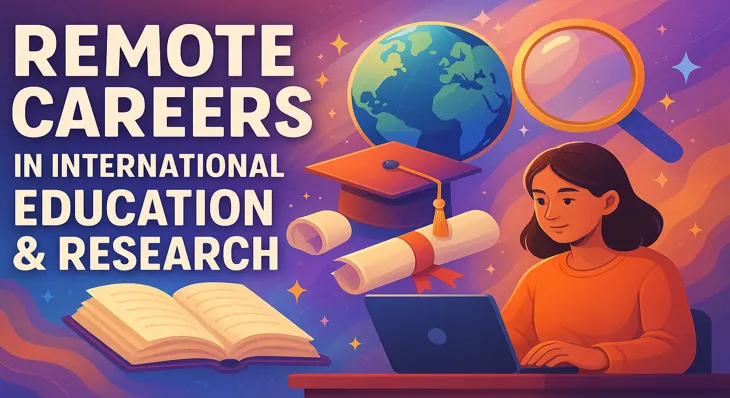
Remote Careers in International Education & Research
A few years ago, most people connected international education careers with university campuses, overseas travel, and traditional office environments. That picture has changed quickly. Today, educators, researchers, academic writers, and curriculum specialists are building successful global careers without leaving their homes. The rise of digital learning platforms, virtual collaboration tools, and online degree programs has created new opportunities for professionals seeking flexibility without sacrificing meaningful work. Universities, research institutions, nonprofits, and EdTech companies are now hiring talent from different countries for fully remote positions. For many professionals, remote careers in international education and research offer something that traditional jobs often struggle to provide: global exposure, flexible schedules, and work that creates real impact. Whether you are an experienced academic, a recent graduate, or someone exploring a career change, this growing industry offers multiple paths worth considering.Why Remote Careers in International Education Are Expanding
The global education sector has gone through a major digital shift. What started as a temporary solution during periods of disruption has now become a long-term strategy for institutions worldwide. Students today want flexible learning options. Universities want access to international talent. Organizations want lower operational costs while still maintaining high-quality programs. These changes have pushed remote education jobs into the mainstream.Online Learning Is Now a Global Standard
Online learning is no longer treated as a backup option. Many universities now offer complete online degree programs, professional certifications, and virtual training workshops. As enrollment in digital programs increases, institutions need more online instructors, student support specialists, and course developers.International Hiring Has Become Easier
In the past, educational institutions mainly hired local candidates. Now, remote work allows organizations to recruit professionals from anywhere. A research organization in the UK can collaborate with analysts in India. An American EdTech company can hire instructional designers from Southeast Asia. Geography is no longer the barrier it once was.Educational Technology Continues to Grow
Learning management systems, virtual classrooms, AI-powered learning tools, and cloud collaboration platforms have changed how educational teams work. As technology evolves, demand for professionals who understand both education and digital systems continues to rise. These shifts are creating strong demand for remote international education jobs and online research careers across multiple industries.Popular Remote Careers in International Education
Many people assume online teaching is the only remote role available in education. In reality, the industry includes a wide range of positions for professionals with different skills and backgrounds.Online Instructor or Lecturer
Online teaching remains one of the fastest-growing areas in international education. Universities, private institutions, and online learning platforms hire remote instructors to teach students across different countries and time zones.Typical Responsibilities
- Conducting virtual classes and webinars
- Preparing course materials
- Grading assignments and exams
- Guiding students through discussions
- Providing academic feedback
Instructional Designer
Instructional designers help transform traditional lessons into engaging digital learning experiences. This role combines education, creativity, and technology.What Instructional Designers Usually Handle
- Structuring online courses
- Creating interactive learning activities
- Designing assessments and quizzes
- Improving learner engagement
- Working with faculty and subject experts
Academic Content Writer
Educational companies and institutions constantly need well-written learning materials. Academic content writers produce:- Course guides
- Educational blogs
- Research summaries
- Study materials
- Assessment content
- E-learning scripts
Curriculum Developer
Curriculum developers create educational frameworks for schools, universities, and training platforms.Their Work Often Includes
- Designing lesson structures
- Defining learning objectives
- Updating outdated content
- Aligning programs with education standards
- Creating assessment systems
International Student Advisor
International students often need guidance throughout the admission and learning process. Remote student advisors help learners navigate:- Admission procedures
- Online enrollment
- Course selection
- Visa-related information
- Academic support systems
Educational Technology Specialist
Educational technology specialists help organizations manage digital learning systems. Their responsibilities may involve:- Managing learning management systems
- Supporting virtual classroom tools
- Training educators on software platforms
- Solving technical learning issues
- Improving digital learning processes
Remote Careers in International Research
Research organizations have also embraced remote collaboration. While laboratory work often requires physical presence, many research-related tasks can now be completed remotely.Remote Research Assistant
Research assistants support professors, analysts, and institutions with academic projects.Common Responsibilities
- Conducting literature reviews
- Organizing research data
- Assisting with documentation
- Preparing reports
- Managing citations and references
Research Analyst
Research analysts collect, interpret, and present data for organizations.Their Work Can Include
- Data analysis
- Trend identification
- Statistical reporting
- Policy research
- Presentation preparation
Grant Writer
Many universities and nonprofits depend on grant funding. Grant writers prepare proposals to secure financial support for educational and research projects. Strong writing, attention to detail, and research abilities are essential in this career.Research Project Coordinator
Large international research projects require coordination between multiple teams. Project coordinators help manage:- Timelines
- Meetings
- Documentation
- Communication between departments
- Reporting processes
Important Skills for Remote Education and Research Careers
Technical knowledge matters, but employers also look for professionals who can work effectively in remote environments.Communication Skills
Remote teams rely heavily on written and virtual communication. Professionals need to communicate clearly during emails, video meetings, and collaborative projects.Self-Management
Remote workers often manage their own schedules and workloads. Strong time management and personal discipline are important for long-term success.Research and Analytical Abilities
Many remote education and research roles involve analyzing information, writing reports, or evaluating data. Strong research skills remain highly valuable.Digital Skills
Professionals should feel comfortable using online collaboration tools such as:- Zoom
- Google Workspace
- Microsoft Teams
- Trello
- Learning management systems
- Research databases
Cross-Cultural Awareness
International work environments involve people from different backgrounds and communication styles. Cultural awareness improves teamwork and collaboration.Qualifications That Can Strengthen Your Career Opportunities
Not every remote role requires advanced degrees, but certain qualifications can improve your chances of securing higher-paying opportunities.Degrees That Can Help
- Education
- International Relations
- Psychology
- Communications
- Sociology
- Data Science
- Public Health
- Instructional Design
Helpful Certifications
- TESOL or TEFL certifications
- Instructional design certifications
- Data analytics programs
- Research methodology courses
- Project management certifications
Where to Find Remote International Education Jobs
Finding reliable remote opportunities becomes easier when you know where to search.University Career Pages
Many universities advertise remote faculty and research positions directly on their websites. Checking institutional career portals regularly can help you discover legitimate opportunities.Academic Job Boards
Academic job platforms frequently publish openings for:- Online teaching jobs
- Remote research positions
- Academic consulting roles
- International faculty opportunities
Freelance Platforms
Freelancing websites can help professionals build experience through smaller projects. Many companies hire freelancers for:- Curriculum writing
- Academic editing
- Online tutoring
- Research support
- Educational content development
LinkedIn Networking
LinkedIn continues to play a major role in international hiring. Professionals who actively engage with industry discussions, publish educational insights, and maintain updated profiles often attract more remote opportunities. Networking matters more than many people realize. A single professional connection can sometimes lead to collaborations, consulting work, or full-time remote positions.How to Build a Strong Remote Career Profile
Competition for remote international jobs can be strong, especially for desirable positions. A polished professional profile helps employers trust your ability to work independently.Tailor Your Resume for Remote Roles
Your resume should highlight skills relevant to virtual work environments. Examples include:- Online collaboration
- Virtual teaching experience
- International communication
- Remote project management
- Digital tools proficiency
Build an Online Portfolio
A portfolio helps employers evaluate your work more easily. You can include:- Published articles
- Course samples
- Research summaries
- Educational projects
- Presentations
- Case studies
Improve Your Professional Presence Online
Recruiters frequently review LinkedIn profiles and online portfolios before scheduling interviews. Make sure your professional profiles clearly communicate:- Your expertise
- Your experience
- Your skills
- Your achievements
- Your areas of specialization