
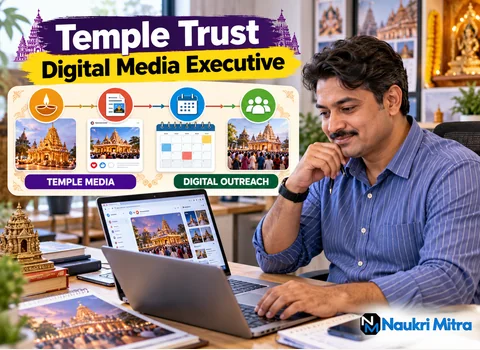
The evening aarti happens once. There is no second take, no asking for the lamp to be raised again because the encoder dropped frames, and devotees watching from far away see only what the stream carried in that moment. So the work starts before the first bell: scenes checked, audio settled, the YouTube Live event ready and the backup connection standing by. Among remote temple trust digital media executive jobs, this one is full-time, pays $350 per month (USD) and accepts applicants from any country. You would live stream daily aarti and festivals, look after the temple website, event pages and donation portal, post devotional content and answer devotees online.
A news studio can record a line twice. A sanctum follows its own order, set by tradition and by the priests, and the broadcast fits around that order, never the other way round. So checks happen early, setup changes happen on quiet days, and when something fails live the calm fix beats the clever one. The role is remote, so how the on-site camera and microphone side is handled, and who sits near the equipment, is something to clarify with the trust. This listing does not spell out that split.
The temple trust digital media executive job description here has five parts:
Some days belong to the stream, others to a festival page or a run of devotee messages. Either way you are the trust's public face online, and the tone has to match the place.
OBS Studio is free, open-source broadcasting software. You build scenes, each a saved layout of sources such as a camera, a still image or a text overlay, and switch between them live. A sensible temple set might be a holding slide before the ritual, the main altar view, a wider hall view and a closing slide. Keep overlays few and quiet; flashy transitions sit badly with a sacred image. YouTube Live takes the feed using a stream key from YouTube Studio. Set the title, description and visibility in advance. The key is a private credential, so it stays with you and the people the trust authorises.
Bells, conch and chanting arrive at very different volumes. Watch the OBS audio mixer, set gain so peaks do not clip, and add a limiter as a safety net. Microphone placement near the sanctum follows what the priests allow, and some spaces are not for equipment at all.
Live stream equipment for temple broadcasts need not be expensive, only dependable:
Upload speed matters more than download speed. Test both connections at your planned bitrate before a big day, and practise the switch so you are not working it out while devotees stare at a frozen frame.
Festivals bring bigger crowds, decorations that change the lighting, processions that leave the fixed camera behind and programmes far longer than a normal evening. Prepare a festival page announcing the stream, schedule the YouTube Live event so devotees can set reminders, carry spare batteries and cables, and get the ritual order from the temple so you know what comes next. Agree with the trust how chat will be moderated, because long devotional streams draw blessings and prayers and, sadly, spam links too.
Devotees use the website to read about festivals and find the stream. Event pages need clear dates, correct names of rituals and deities, and nothing that contradicts what the priests have announced. When unsure, confirm with the trust office first.
Donation portal updates need extra care. The purpose of each seva or fund, the trust's official payment details and the receipt process must be accurate, and after any change you test the receipt flow so donors get what was promised. Donor names, contact details and payment records are private: never post them, share them in a group chat or save them to a personal device without permission. Tax or legal wording is a question for the trust office, not a guess for the digital team.
Temple social media is quieter than brand marketing: darshan images where allowed, festival greetings, announcements and short clips from the stream. Canva helps with festival posters, event banners and consistent templates. The bigger rule is not technical. Some temples restrict photography inside the sanctum or at certain moments of worship, and some do not allow images of the deity to be shared. Follow the trust's rules exactly, even when a photo would be popular, skip stickers and trending audio on sacred images, and check spellings of names and festivals.
A social media manager mostly chases reach and engagement. This role adds live streaming, the website and the donation portal, and success means devotees are served well and traditions respected.
Questions arrive about stream start times, frozen video, how to offer a seva or whether a donation went through. Reply with patience and plain words, share only what you know is true, and pass ritual, donation or personal matters to the right person at the trust. Never ask a devotee for card details, passwords or OTPs in a message.
Two or more years spent in digital media or live streaming are expected, and a graduate degree in media or IT is preferred. The temple trust digital media executive skills it names are OBS and YouTube Live, website and social media management, Canva design, and respect for temple traditions and devotee sensitivities.
Devotees who live far from their home temple can follow rituals online, which is one reason temple trusts and spiritual organisations look for digital media staff. To get there, build live work first: community events, college functions, religious programmes or a channel of your own. No particular course or certificate is required here, though short OBS or video production courses can help you learn. On your temple trust digital media executive resume, list platforms you have streamed on, long-event work and websites you have updated. In interviews, expect to explain what you would do if the main line dropped during aarti.
This full-time post carries a salary of $350 per month (USD). That is the whole of the temple trust digital media executive salary stated here; this listing mentions no festival allowances or other extras. Because these are temple trust digital media executive jobs remote worldwide, applicants can be anywhere, though a stable connection and availability around the temple's rituals matter.
Temple names attract fraud: copied donation pages, fake channels restreaming aarti with their own payment links, and accounts posing as the trust. Applicants face the same tricks. No real trust would bill you for registration, push a streaming kit on you or ask for money to keep the post open. If an offer does, or comes only from a number you cannot match to the trust's official contacts, step back. Once hired, report fake pages through the platforms and remind followers that donations go only through the official portal.