
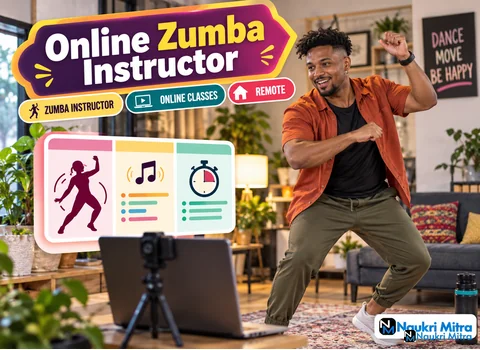
Picture a studio on a Saturday morning. Forty people. One mirror wall. The bass hits and the whole room moves as one. Now picture that same class split into forty small living rooms, each with a sofa pushed back and a laptop propped on a shelf. That shift is what online zumba instructor jobs are all about. Dancers in any country may apply; the work is part-time, from home, at fifteen US dollars a class hour. You bring the energy. The screen carries it.
Teaching through a camera changes the craft. In a studio you face the mirror and dancers copy your back. Online, you face the lens, so you mirror every move: your right becomes their left, and you must think in reverse without losing the beat. Cues need to land earlier, because there is a small delay between your voice and what reaches each home. Music latency matters too. If your track and your mic drift apart, learners hear a count that does not match the song.
So what does an online Zumba instructor do on a normal day? You run live Zumba sessions for regular batches of participants. Each class follows a clear shape. You open with a warm-up, move into choreographed routines, and finish with a cool-down. Throughout, you demonstrate moves from a full-body camera frame so nobody loses sight of your feet. You watch the gallery view, spot who is struggling, and offer an easier version without stopping the music.
That is the practical zumba instructor job description: performer, coach and sound engineer at once.
The online Zumba class format of warm-up, routines and cool-down stays familiar, but pacing changes on screen. Start the warm-up gently with simple steps that raise the heart rate slowly. Ask for a thumbs-up to confirm everyone can see and hear you. Then build into the main block of routines, shifting between faster and slower tracks so the room gets breathing space.
Close with a cool-down that brings the energy right down. Slow music. Easy stretches. A calm voice. Online learners often log off the second the music stops, so a friendly sign-off and a reminder of the next session help build a habit.
Safety is your job before the first song plays. You cannot walk over and adjust someone's posture, so you have to prevent problems with words and planning.
Remind participants to clear a space around them, move furniture, and check for rugs that slide. Hard tiles can be slippery, and pets wander in.
Encourage supportive trainers with some grip. Bare feet or socks on a smooth floor can lead to slips during turns.
Always show a low-impact version. March instead of jump. Keep arms lower. Tell learners they can pause, sip water, and rejoin whenever they like.
Use a short health screening form or ask simple questions before someone joins. Anyone with a medical condition, an injury, or a pregnancy should be encouraged to speak with a doctor before starting. This is dance fitness for enjoyment and movement, so make no medical or weight-related promises to anyone.
Music is the heartbeat of the class, and it comes with rules. This role expects you to use licensed ZIN music. Beyond that, music rights for streaming classes can differ by country, by platform and by how a session is shared or recorded. Do not assume that a track you bought for personal use is cleared for public classes. Read the terms of the platform you stream on and the brand's own instructor licensing guidance, and ask a qualified adviser if you are unsure.
Audio setup is the other half. Call software assumes speech, which is why it tends to flatten a track or mute it the moment you shout a cue. Many instructors switch on an original-sound or music mode where the app offers one. Test it with a friend on a different device before your first batch.
The right tools for online Zumba classes do not need to be expensive, but they do need to work every single time. You will need:
Light yourself from the front, not from a window behind you.
Zumba Basic 1 training and active ZIN membership are preferred, so if you already hold both, you are ahead. Prior experience leading dance fitness classes is also preferred. On top of that, the employer looks for high energy, good rhythm, and clear cueing in English or Hindi.
The core zumba instructor skills show up quickly in a demo: musical timing, loud and clear verbal cues, mirrored demonstration, and the ability to read a screen full of tiny tiles. Zumba instructor jobs for freshers are possible when you have the training and a strong demo, though experience will help your case. If you have not taught before, build that demo first.
The usual first step is the brand's own training route, and this role prefers Zumba Basic 1 training and active ZIN membership. For the details of any zumba instructor course or zumba instructor certification, including fees, renewal and what the licence covers, check the brand's own instructor licensing pages directly. Rules can change, and only the brand can confirm them.
Once you are trained, how do you start online classes after certification? Run a few free practice sessions for friends. Record yourself and watch your mirroring. Fix your audio. Then put together a tight zumba instructor resume with your training, any classes you have led, and a short video clip of you cueing a routine.
Every hour you lead a batch earns $15 USD, part-time. That is the online Zumba instructor hourly pay for this role. A typical zumba instructor salary elsewhere depends on location, class size and experience, so compare offers carefully. When people search zumba instructor salary per hour, they will see a wide spread, and much of it is freelance.
Many people treat part time zumba instructor jobs as a side income alongside study or another job. Freelance zumba instructor jobs and zumba instructor work from home roles can grow if you build loyal batches, but hours are not promised here. Could it grow beyond that? Some instructors combine several part-time roles with their own classes, but plan for variable earnings.
Fitness apps and studios hiring online Zumba instructors include gyms that added live streams, wellness platforms, corporate fitness programmes and community groups.
Before you sign up anywhere, look for clear pay terms, a named contact, and a written agreement. Be wary of anyone who asks you to pay to join, wants bank passwords, or pushes you to move chats to a personal number before any interview. A genuine opening explains the class schedule and the music rules upfront.
How does a Zumba instructor compare with an aerobics instructor? Aerobics classes often use counted steps and set patterns, while Zumba leans on Latin and world dance rhythms with choreography tied closely to the music. Both need strong cueing, but Zumba relies more on musical feel.
Expect zumba instructor interview questions like these: How do you cue a turn on camera? What do you do when your music drops mid-song? How would you modify a jump for a beginner? Have short, honest answers ready, and be prepared to teach a two-minute demo live.