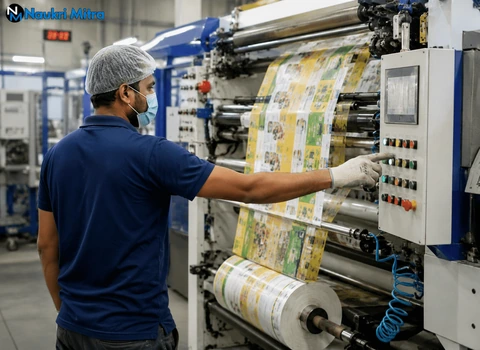
What a Flexo Printing Operator Actually Does
Nearly every printed pouch, wrapper, or carton you pick up at a shop has gone through a flexographic press at some point. A Flexo Printing Operator Required for Packaging Printing Plant position is built around running one of these presses day after day, matching colors correctly, keeping the print sharp, and ensuring the finished rolls don't have smudges or misaligned print. It's not a desk job. You're on your feet near a running machine, watching output, and fixing small problems before they turn into wasted material.
Why This Position Exists in a Packaging Plant
Flexography works on almost anything a packaging company needs printed - plastic film, paper labels, foil, corrugated board. That flexibility is exactly why so many plants use it. But the press only performs well when someone sets it up right. Ink has to be the correct thickness, plates need to sit exactly where they should, and every batch has to match the sample the client already approved. Get the registration wrong on a multi-color job, and you can lose an entire roll of expensive substrate. That's the real reason plants hire trained operators instead of leaving it to guesswork.
How a Shift Usually Goes
Most operators start by checking the job card and confirming what's supposed to be printed that day. Plates go on, the substrate roll gets mounted, ink gets mixed to shade - then comes a round of test prints. This is where you check registration, color density, and whether the image looks clean before letting the press run at full speed. Once production starts, you're not just standing there. You're watching for ghosting, checking pressure settings, keeping an eye on tension across the web.
What the Job Actually Involves
- Mounting plates and setting the anilox rollers correctly
- Mixing ink and matching it against approved shade cards
- Getting registration right, especially on multi-color jobs
- Watching drying units and web tension while the press runs
- Checking printed rolls for defects before they go for packing
- Basic cleaning and upkeep of the press between runs
Where the Work Is Based
This role is located in Ahmedabad, Gujarat. Packaging plants around this belt mostly print film, labels, and cartons for FMCG, pharma, food, and textile companies - Gujarat has a fairly large cluster of packaging and plastics units, so operators here aren't short of options. The work itself takes place inside a factory shed, usually with the press, the ink-mixing area, and the finishing section laid out one after another along the line.
Equipment You'll Be Working With
Expect to spend most of your time around the flexo press itself, along with anilox rollers, doctor blade systems, and viscosity cups to check ink thickness. Shade cards are used constantly, and some plants have added digital color-measurement tools so operators aren't relying solely on eyesight for shade matching. Basic hand tools handle plate mounting and roller adjustment.
What Employers Look For
An ITI in Printing Technology or a Diploma in Printing or Packaging Technology is usually the preferred qualification. That said, plants often care more about whether you've actually run a press before than what your marksheet says. Beyond the technical side, you need an eye that catches print defects quickly, some ability to troubleshoot on your own, and enough patience to run test print after test print until it's right - rushing this part is how mistakes slip through.
The Physical Side of the Job
This is full-time work that involves a lot of standing, moving heavy substrate rolls, and staying alert around moving parts. Packaging plants typically run in shifts to keep the line moving around the clock, so be ready for shift-based hours - night shifts included, depending on how the plant schedules its production.
Safety on the Shop Floor
A flexo press moves fast and has rotating rollers, blades, and heated drying units in close proximity. That combination means safety habits matter more than they might seem at first. Safety shoes, gloves, and ear protection are standard PPE on most floors, and lockout steps must be followed before clearing a jam or cleaning a roller. Keeping ink storage areas tidy also reduces fire risk and slips, which occur more often than people expect around wet floors.
Problems You'll Run Into
Color drifting slightly over a long run, material suddenly tearing on the web line, deadlines that don't leave much room for error - these come up regularly in this trade. What tends to separate someone experienced from someone still learning is staying calm in these moments rather than skipping quality checks to save time.
Where This Role Can Lead
Operators who put in the time on the floor often move into senior press operator or shift-in-charge positions, where they train new staff and handle trickier multi-color jobs themselves. Since inks, substrates, and press technology keep changing, staying current with newer techniques is what keeps an operator useful to a plant over the long run.
Salary and What Else to Expect
The salary for this role is ₹25,000 per month. On top of that, some packaging plants offer overtime pay, PF, ESI coverage, an annual bonus, uniforms, or transport and canteen facilities - though this depends on the employer and shouldn't be assumed. For someone in Ahmedabad, Gujarat, India looking for steady factory work with a clear routine and a realistic path to grow through hands-on experience, this is a reasonable place to start in the packaging and printing trade.