📚 Table of Contents
- Understanding the Rise of Remote HR
- Why Companies Are Investing in Remote HR
- How Technology Changed Human Resources
- Digital Recruitment and Global Hiring
- Virtual Onboarding Processes
- The Shift Toward Global Workforce Management
- Managing Cultural Diversity in Remote Teams
- Compliance and International Employment Laws
- Employee Experience in the Remote HR Era
- Mental Health and Employee Well-Being
- Performance Management in Remote Teams
- The Growing Importance of HR Analytics
- Remote HR and Career Growth Opportunities
- Access to International Careers
- Increased Demand for Digital Skills
- Challenges Facing Remote HR Teams
- Maintaining Company Culture
- Cybersecurity and Data Protection
- Managing Remote Employee Burnout
- The Future of Remote HR
- AI and Automation in HR
- Hybrid Work as the Long-Term Model
- What Global Professionals Should Focus On
- Build Strong Communication Skills
- Learn Remote Collaboration Tools
- Develop Self-Management Habits
- Stay Open to Continuous Learning
- FAQs About Remote HR and Global Workforces
- What is remote HR?
- Why is remote HR becoming more important?
- How does remote HR impact global professionals?
- What skills are important for remote work success?
- What are the biggest challenges in remote HR?
- Will remote work continue growing in the future?
- Conclusion
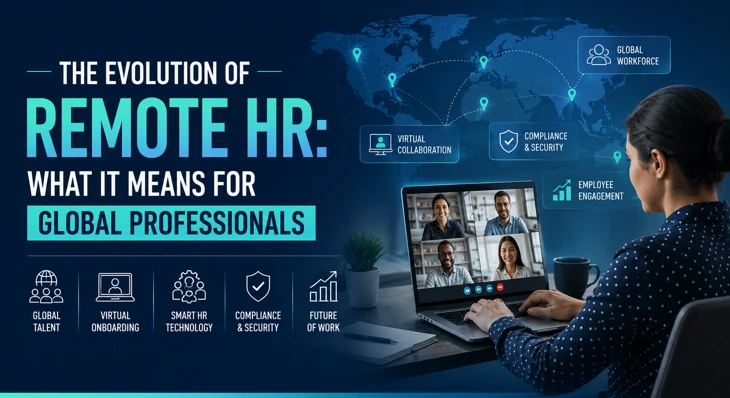
The Evolution of Remote HR: What It Means for Global Professionals
Remote work is no longer a temporary trend. It has become a defining part of how modern businesses operate, hire, and grow across borders. As organizations expand their distributed teams, human resources departments are also evolving rapidly to keep up with changing workforce expectations. From digital onboarding to international compliance management, remote HR has transformed the employee experience for companies and professionals worldwide. What once depended heavily on office-based systems and face-to-face interaction is now driven by cloud platforms, virtual collaboration, flexible policies, and global talent acquisition strategies. For professionals working across different countries and time zones, this shift creates new opportunities, challenges, and expectations. Understanding how remote HR is evolving can help employees adapt more quickly, advance their careers, and succeed in an increasingly borderless work environment.Understanding the Rise of Remote HR
Remote HR refers to managing employees, talent acquisition, onboarding, communication, performance tracking, and employee engagement through digital systems rather than traditional in-office processes. The concept existed before 2020, but the global shift toward remote and hybrid work dramatically accelerated its adoption. Businesses that once hired locally started exploring international talent pools. HR teams had to redesign policies, tools, and workflows almost overnight. Today, remote HR management is not just about supporting employees who work from home. It is about building systems that can manage global teams efficiently while maintaining productivity, culture, and compliance.Why Companies Are Investing in Remote HR
Organizations are embracing remote HR solutions for several reasons:- Access to global talent
- Reduced operational costs
- Improved workforce flexibility
- Increased employee satisfaction
- Faster digital transformation
- Better scalability for international hiring
How Technology Changed Human Resources
Technology has become the backbone of modern HR operations. Cloud-based HR software, AI-driven recruitment tools, employee management systems, and virtual collaboration platforms now handle tasks that once required large administrative teams.Digital Recruitment and Global Hiring
One of the biggest transformations in remote HR is global recruitment. Traditional hiring often focused on local candidates because relocation and office presence were necessary. Remote hiring removes geographical barriers and allows businesses to search for specialized talent worldwide. Companies now use:- Virtual interview platforms
- AI-powered applicant tracking systems
- Online skill assessment tools
- Automated recruitment workflows
- Remote hiring software
Virtual Onboarding Processes
Onboarding used to involve office tours, paperwork, and in-person meetings. Remote HR teams now create fully digital onboarding experiences. Modern onboarding often includes:- Virtual orientation sessions
- Online training portals
- Digital document signing
- Remote mentorship programs
- Interactive team introductions
The Shift Toward Global Workforce Management
Remote HR is not simply about remote work anymore. It is increasingly focused on managing distributed international teams. Global workforce management involves handling employees across different:- Countries
- Time zones
- Cultures
- Employment laws
- Tax systems
- Communication styles
Managing Cultural Diversity in Remote Teams
One of the most important aspects of global HR management is cultural understanding. Remote teams bring together professionals from different backgrounds, languages, and work cultures. While diversity strengthens innovation, it can also create communication gaps if companies are not careful. Successful remote HR teams focus on:- Inclusive communication practices
- Cross-cultural training
- Flexible scheduling
- Respect for regional holidays
- Multilingual support when needed
Compliance and International Employment Laws
Hiring globally creates legal complexity. Each country has unique labor laws, tax rules, employee benefits requirements, and compliance regulations. Remote HR departments must ensure companies follow local employment standards while maintaining consistent internal policies. This has led to the rise of:- Employer of Record (EOR) services
- Global payroll platforms
- International compliance software
- Remote workforce legal consultants
Employee Experience in the Remote HR Era
The role of HR has expanded beyond administrative support. Modern HR teams now focus heavily on employee experience, engagement, and mental well-being. This is especially important in remote work environments where isolation and burnout can become serious issues.Mental Health and Employee Well-Being
Remote work offers flexibility, but it can also blur the line between personal and professional life. Many companies now include wellness initiatives as part of their remote HR strategy. These may include:- Flexible work schedules
- Mental health support programs
- Virtual wellness sessions
- Paid mental health days
- Burnout prevention initiatives
Performance Management in Remote Teams
Managing performance remotely requires a different approach compared to traditional office settings. Older systems often measured productivity through physical presence. Remote HR focuses more on outcomes, communication, accountability, and measurable goals. Modern performance management strategies include:- Goal-based evaluations
- Continuous feedback systems
- Weekly check-ins
- Employee recognition platforms
- Data-driven productivity insights
The Growing Importance of HR Analytics
Data-driven HR decision-making has become a major trend in remote workforce management. HR analytics helps organizations understand employee behavior, engagement levels, retention risks, and hiring effectiveness. Remote HR departments now track metrics such as:- Employee engagement scores
- Remote productivity trends
- Hiring conversion rates
- Training completion rates
- Retention and turnover data
Remote HR and Career Growth Opportunities
The evolution of remote HR has created significant career opportunities for global professionals.Access to International Careers
Remote hiring allows professionals to work for companies located anywhere in the world. A marketing specialist in India can now work with a startup in London. A customer success manager in South Africa can support clients for a company based in Australia. This global access creates:- Higher earning opportunities
- International work experience
- Expanded professional networks
- Greater career flexibility
- Exposure to global business practices
Increased Demand for Digital Skills
As remote HR systems evolve, companies increasingly value employees who are comfortable with digital collaboration. Some of the most important skills in remote work environments include:- Virtual communication
- Project management
- Time management
- Digital collaboration tools
- Cross-cultural communication
- Self-discipline and accountability
Challenges Facing Remote HR Teams
Despite its benefits, remote HR also comes with several ongoing challenges.Maintaining Company Culture
Building a strong company culture remotely is more difficult than in traditional office environments. Without casual office interaction, employees may feel disconnected from the organization and their coworkers. To address this, HR teams often organize:- Virtual team-building activities
- Online recognition programs
- Remote social events
- Internal communication initiatives
- Employee community groups
Cybersecurity and Data Protection
Remote work increases cybersecurity risks because employees access company systems from different devices and locations. HR departments now work closely with IT teams to improve:- Data protection policies
- Employee cybersecurity training
- Secure remote access systems
- Compliance with privacy regulations
Managing Remote Employee Burnout
One hidden challenge of remote work is overworking. Many employees struggle to disconnect because home and work environments overlap. HR teams are increasingly introducing policies that encourage healthy work boundaries. Examples include:- No-meeting Fridays
- Mandatory vacation policies
- Flexible scheduling
- Async communication practices
The Future of Remote HR
Remote HR will continue evolving as technology and workforce expectations change. Several trends are expected to shape the future of global HR management.AI and Automation in HR
Artificial intelligence is already transforming recruitment, employee support, and workforce analytics. Future remote HR systems may include:- AI-powered career development recommendations
- Automated onboarding assistants
- Predictive employee retention tools
- Smart workforce planning systems
- Personalized learning experiences
Hybrid Work as the Long-Term Model
Many organizations are adopting hybrid work models that combine remote and in-office collaboration. This means HR teams must manage both physical and digital employee experiences simultaneously. The future workplace is likely to prioritize:- Flexibility
- Results-based performance
- Employee autonomy
- Digital collaboration
- Global talent mobility