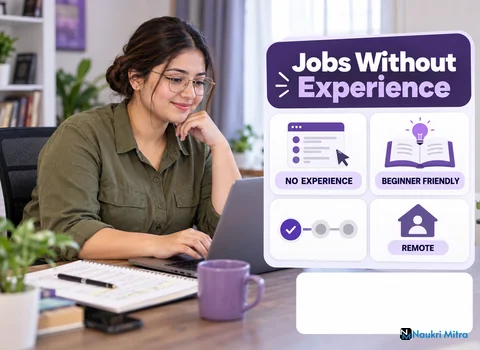
Every job wants experience, so where does the first experience come from? Honestly, from tasks like the ones on this page. These work-from-home jobs for freshers without experience are small, clearly explained pieces of online work: putting information into a sheet, answering a routine email, checking that something matches the instructions. You do them, you report them, and after a few weeks you have something real to talk about.
Successful beginners usually read instructions twice, ask when something is unclear, and send work in when they said they would. You can do that from day one.
Advertisement
Where these work-from-home jobs for freshers without experience fit
Pay here is USD 6 an hour, the hours are part-time, and you may live in any country. It falls under entry-level remote jobs: a team lead can explain it in one short guide, and a careful beginner can finish it alone.
So what kind of remote jobs hire people with no experience? Mostly roles where accuracy and reliability count for more than background. Think data entry and record updating, simple admin support, inbox help, checking lists against a source, basic research tasks, and general back-office help. Small businesses, online shops and agencies hand out tasks like these. When a post says remote jobs no experience needed, an honest version looks like this: simple tasks, clear instructions, an hourly rate.
Your first week, task by task
Here is what a first week could look like. These are illustrations, not a fixed schedule.
Entering data into Google Docs or Sheets
Say you get a sheet with columns for name, city, order number, and date, plus a folder of 40 short notes. Your job is to copy each note into the right row. Small things matter: keep dates in one consistent format, and comment when something is missing instead of guessing.
Replying to routine emails
Many messages ask the same few things. You will usually work from an approved sample. Something like: "Hi Priya, thanks for writing in. Your request has been received, and the team will update you by Thursday. Regards, Support." Your part is to pick the right sample, change the name and details, and keep the tone polite and short.
Checking information against instructions
You might be given a list of 25 product entries and a checklist: price present, size written in centimeters, photo link working. You go row by row, marking what passes and what needs fixing. Beginner mistakes here mostly come from rushing.
Reporting finished work to the team lead
At the end of a task, send a short update: what you finished, what you couldn't finish and why, and any questions. Sending this on time, even when the news is "I got stuck on row 18", builds trust faster than anything else.
The short list of skills, and free ways to practice them
You need basic computer skills, simple English, some comfort with Google Docs, email and Excel, and roughly 25 words per minute on the keyboard. That is a realistic starting point, not a high bar.
- Typing: free typing test websites will show your current speed. Ten to fifteen minutes of steady practice a day tends to help. Aim for accuracy first.
- Google Docs and Sheets: make a free Google account, then build a small sheet of your own monthly expenses. Practice sorting, filtering, and freezing the top row.
- Excel: the same habits carry over, and free online spreadsheet tools work for practice.
- Email: write three practice replies to imaginary customers and read them aloud. Cut anything that sounds stiff.
- Simple English: short, clear sentences are what teams want. Free grammar checkers can catch spelling slips while you learn.
"No degree, no certificate" in plain terms
When the listing says no degree or certificate is needed, it means exactly that. Nobody will ask for a mark sheet before you start. Instead, they check how you handle a small sample task or a short conversation about the work.
Free online lessons on spreadsheets or email writing still help your confidence. But a paid course is not a condition for applying, so be wary of anyone who says you must buy one.
Phone or laptop: what your setup really needs
According to the listing, you can start on either a phone or a laptop, as long as your internet is steady. Sheets and longer emails are easier on a laptop, but plenty of people begin on a phone with the Google Docs, Sheets, and email apps installed.
For a home office, keep it simple: a charger within reach, a quiet corner for the hours you work, and a connection steady enough not to cut out every few minutes. Ordinary home broadband or a stable mobile data plan normally handles documents and email. If your connection is patchy, check that your changes saved before you report a task as done.
A CV when you have never had a job
This is where many people freeze, so keep it practical. A good resume for remote fresher jobs is one page and leads with what you can do, not where you have worked.
- Projects: "Built a Google Sheet tracking 60 books for my school library, with a filter by author." That is real work.
- Volunteering: collecting names for a community event, managing a WhatsApp group for a local club, keeping attendance for a tuition class.
- School or college: a class report you typed and formatted, a group project where you kept the notes.
- Skills line: Google Docs, Google Sheets, Excel basics, email writing, typing at about 25 WPM.
Add your time zone and free hours. That is how to get first remote job replies with nothing on paper: show small proof and apply widely. The same CV works for part-time jobs for freshers without experience in most fields.
Budgeting around an hourly figure
Every part-time hour you put in earns USD 6. The number of hours is flexible, so your total changes with the tasks on offer each week. Plan your budget with that in mind.
People look up fresher salary in remote jobs and find very different figures, because beginner pay varies by task, client, and country. Compare offers by rate, period, and expectations. This role suits students, people between jobs, or anyone testing online work.
Freelancing platforms or a part-time role?
Many beginners also look at freelance sites like Fiverr and Upwork, or companies like TELUS Digital, which are known for online task work. Those are names people search, not employers for this listing. On marketplaces, you build a profile and compete for each small job. A part-time role gives you a team lead, set instructions, and an hourly rate, which is easier while learning. Some people try both once they have finished tasks to point to.
Growing beyond a first stint
Nobody can promise where this goes. In general, though, a few months of reliable data and email work gives you references, examples, and the confidence to apply for bigger things. People with that start often move on to admin assistant roles, customer support, coordination work, or training schemes like graduate trainee remote jobs, and some use online internships for freshers to try a new field. What helps most is keeping a record of your work and asking for feedback, because fresher jobs without experience can turn into references this way.
Guarding your money, then hitting apply
One rule covers almost every scam: an employer pays you, never the reverse. No genuine task needs a sign-up charge, deposit, kit, or investment before you begin, and Naukri Mitra never bills applicants. Jobs for freshers require no experience, no investment, and want nothing from you except time. Anyone who wants money, a bank PIN or an OTP gets no further reply.
Once you feel prepared, send a short application. Mention your typing speed, the tools you have practiced, your device, and your free weekly hours. Attach your one-page CV. Then keep practicing while you wait.