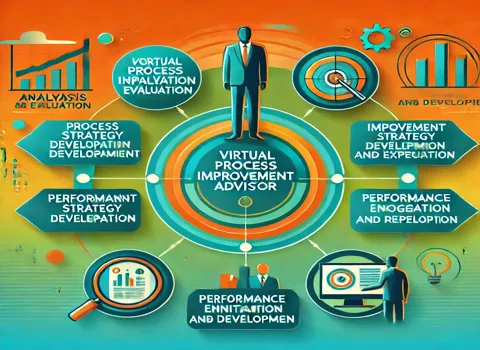
Nobody sends an email saying "this approval chain is wasting four hours a week per person." It just happens quietly, over and over, until someone finally sits down, maps the thing out, and asks why it's built this way at all. That's the job. As a
Virtual Process Improvement Advisor, you find the friction nobody's gotten around to naming, and you fix it.
About the Role
This is
remote work for someone who actually enjoys untangling how work gets done versus how it's supposed to get done on paper. You'll study workflows across different teams, spot where things slow down or quietly break, and build plans people can realistically follow — not theoretical ones that die in a slide deck. Part analysis, part project management, part talking a skeptical stakeholder into a change they didn't ask for.
The Work Itself
Digging Into Current Processes
- Study existing workflows for inefficiencies, bottlenecks, and the gap between what a process is supposed to do and what it actually does
- Build process maps and documentation that make the breakdown points obvious
- Lean on data, not just a hunch, when deciding whether something's actually broken or just old and unfamiliar-looking
Designing the Fix
- Work with stakeholders to nail down what a given improvement project actually needs to accomplish
- Recommend changes using Lean Six Sigma, Kaizen, or Agile — whichever fits the situation, not whichever's trendiest
- Put together action plans with realistic timelines, resourcing, and KPIs that mean something
Getting It Done
- Lead or support rolling out process changes, keeping things aligned with broader goals
- Coordinate across teams so the change actually gets executed, not just documented and forgotten
- Train people on new processes and tools so adoption doesn't quietly stall a month in
Checking If It Actually Worked
- Set up metrics to measure real impact, not vanity numbers
- Review that data regularly and look for what's next instead of just confirming the last fix held
- Put together reports for leadership that are readable, not just technically correct
Keeping People on Board
- Gather feedback and deal with pushback directly instead of steamrolling past it
- Explain a complicated process change in language that doesn't require a Six Sigma background
- Share what's working across teams so it doesn't stay locked inside one department
What You'll Need
Minimum education is a
Bachelor's degree; a Master's degree or a certification such as Six Sigma Black Belt or Lean Practitioner helps but isn't required. In terms of experience, you'll need at least
4 years in process improvement, operations management, or something close enough to count.
Past that:
- You can read messy data and turn it into something a non-analyst can actually act on
- Strong communication, especially when the message is "this needs to change," and people don't want to hear it
- Real project management chops, ideally leading people who don't report to you
- You can juggle several priorities without someone checking in every hour — this is remote work, and self-direction matters here
- Working familiarity with process mapping tools and the general software this kind of work runs on
Nice to Have
- Formal Lean Six Sigma or Kaizen certification
- Experience specifically inside a remote or distributed company
- Background in change management, not just process design on paper
- Some Agile exposure outside of a software development context
What This Actually Looks Like
Say a finance team's monthly close takes six days when it should take three. You'd start by mapping the real workflow — not the outdated one written up on some old wiki page — and find two approval steps that exist only because someone who used to sign off left the company two years ago and nobody removed the requirement. From there, it's building the case, getting the right people to agree, rolling the change out, and checking back in eight weeks later to confirm that the close is actually faster and nothing quietly broke. That's a fairly normal week.
Working Conditions
Fully remote — work from wherever you've got a stable connection. Standard business hours most of the time, with some flexibility for coordinating across time zones and project deadlines. Occasional travel comes up for workshops or in-person stakeholder meetings, but it's not a regular thing.
Pay and Benefits
This role pays
$115,598 a year. Along with that:
- Health, dental, and vision insurance
- Generous paid time off and standard holidays
- Support for certifications and professional development relevant to this kind of work
- A remote-first setup with the tools you actually need to do the job well
How the Team Works
Improvement work tends to go better with more eyes on it, so findings get shared across projects here instead of sitting locked in one advisor's notebook. Roles like this one show up through
Naukri Mitra and a handful of other platforms, and the teams hiring through channels like that tend to want the same thing: someone who'll push back on a bad process with data, not quietly patch it and move on without asking why it existed in the first place.
Where This Can Lead
Advisors who do this well for a few years often move into process-improvement leadership, owning larger transformation efforts across the whole organization rather than one department at a time. Others go deep on a single methodology and become the person other advisors go to with hard questions. Both are realistic from here.
Applying
Send your resume with a short note — not a copy-paste cover letter. Tell us about one process you improved, what was actually wrong with it, and what changed once you fixed it. That's the part that gets read first.