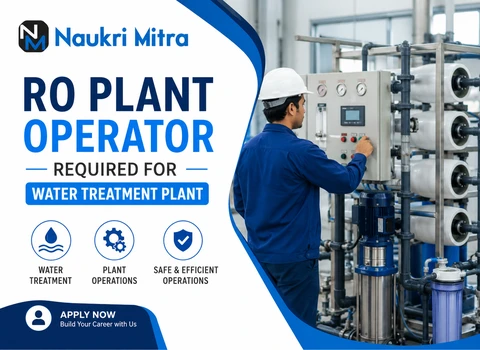
Understanding the Role of a Water Treatment Machine Operator
Clean, safe water does not occur on its own in a factory or a residential complex. Someone has to run the machines, monitor the pressure gauges, and ensure the filtration system is doing its job correctly every single day. This is where an RO Plant Operator steps in. The role involves operating Reverse Osmosis (RO) systems that remove dissolved salts, impurities, and contaminants from raw water, making it safe for drinking or industrial use. For anyone exploring this career for the first time, it helps to think of the operator as the person responsible for keeping a small but essential utility running smoothly.
Why Organizations Look for Skilled Operators
Water treatment is not a one-time setup. Filters get clogged, membranes need cleaning, and chemical dosing must be adjusted based on the quality of the incoming water. Companies need someone physically present to monitor these changes and respond quickly. A trained operator prevents equipment damage, avoids water waste, and ensures that the output water consistently meets the required standards. This is why the demand for this position remains steady across residential societies, small industries, and packaged drinking water units.
A Typical Day on the Job
No two shifts are exactly identical, but most days follow a similar pattern. The operator usually starts by checking the previous shift's log, inspecting pressure readings, and confirming that pumps and valves are functioning normally. Through the day, the work may include:
- Starting and stopping the RO plant as per the production schedule
- Monitoring TDS (Total Dissolved Solids) levels using a TDS meter
- Checking pH levels and adjusting dosing pumps if needed
- Cleaning or replacing sediment and carbon filters
- Recording readings in daily maintenance registers
- Reporting unusual noise, leakage, or pressure drops to the supervisor
Machines and Instruments Handled Regularly
An operator working in this field becomes familiar with a specific set of equipment. This usually includes multi-stage pumps, sand and carbon filters, RO membranes, dosing pumps for chemicals like anti-scalant and chlorine, and UV sterilization units in some setups. Measuring instruments such as TDS meters, pH meters, and pressure gauges are used constantly to verify that the system is performing within safe limits. Understanding how these parts work together is what separates a confident operator from someone who is just following instructions.
Skills That Make the Work Easier
Technical knowledge of water chemistry basics is useful, but it is not the only requirement. Practical, hands-on ability matters just as much. Useful skills include:
- Basic understanding of plumbing and pipefitting
- Comfort working with electrical panels and motor switches
- Ability to read simple process flow diagrams
- Patience for repetitive monitoring tasks
- Quick troubleshooting when a filter chokes or a pump trips
Candidates with an ITI qualification in Electrician, Fitter, or a related trade often find it easier to pick up plant operations quickly. A background in mechanical maintenance is also considered valuable, since much of the daily work involves minor repairs and adjustments rather than complex engineering.
Where This Work Usually Happens
RO plant operators are commonly employed in packaged drinking water units, community water treatment setups, small and medium industrial units that require purified water for processing, and housing societies with in-house filtration systems. The working environment is generally a dedicated plant room or utility area with visible piping, tanks, and control panels. It is a functional, somewhat noisy space rather than an office setting, and operators should be comfortable spending most of their shift on their feet, moving between machines.
Physical Demands and Shift Pattern
This is an active role. Operators need to stand for extended periods, occasionally lift filter cartridges or chemical containers, and climb short ladders to check overhead tanks. This position is offered as a Full-time role, and, depending on the employer's production needs, shift-based working hours are common in this line of work, including early-morning or night shifts on a rotational basis.
Staying Safe Around Chemicals and Pressure Systems
Safety cannot be an afterthought in this profession. Operators regularly work near pressurized pipelines and handle chemicals used to clean membranes or adjust water chemistry. Following safety protocol protects both the individual and the equipment. Common practices include wearing gloves and safety goggles when handling chemicals, using non-slip footwear on wet floors, keeping electrical panels dry, and never bypassing pressure-release valves. Employers typically provide PPE such as gloves, goggles, and aprons, though the exact provisions can vary by workplace.
Challenges Operators Often Face
Fluctuating raw water quality, sudden power cuts affecting pump operations, and membrane fouling are recurring challenges. Learning to diagnose whether a drop in output is due to a clogged filter, a faulty pump, or membrane scaling takes time and hands-on experience. New operators often find this troubleshooting phase the most demanding part of the learning curve.
Building a Long-Term Career in Plant Operations
Many operators begin as helpers or trainees before taking full charge of a shift independently. With a few years of steady experience, an operator can progress toward roles such as senior operator, shift in-charge, or plant supervisor, eventually overseeing multiple units or training newer staff. Gaining familiarity with automation panels and, where used, SCADA-based monitoring systems can further support this progression within the same field.
Salary Expectations for This Position
This RO Plant Operator position, based in Vadodara, Gujarat, India, offers a monthly salary of ₹28,500. This reflects full-time engagement and is a reasonable starting point for candidates entering or continuing their careers in water treatment plant operations in this region.
Additional Benefits That May Apply
Depending on the employer, operators in this field may also be eligible for benefits such as overtime pay for extended shifts, Provident Fund (PF) and Employee State Insurance (ESI) coverage, annual bonus, uniforms, and transport or canteen facilities. These are common possibilities in this industry, not guaranteed inclusions, and candidates should confirm specifics during the hiring process.
For someone willing to learn the mechanical and chemical basics of water purification, this role offers steady, practical work with clear room to grow into supervisory responsibilities over time.