A course with a 40% completion rate isn't usually a content problem. It's a design problem, a timing problem, or a signup process nobody bothered to fix. Figuring out which one, and actually changing it, is most of what this job comes down to.
What this job is
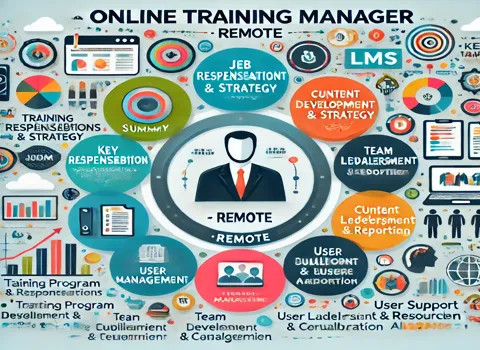
You'd own the company's online training programs — the strategy behind them, the LMS running them, and the team building the content that goes into them. That means working with subject matter experts to get the right material into a course, instructional designers to make it actually engaging, and IT to keep the system itself from breaking under everyone's weight. It's part strategy, part people management, part fixing whatever's not working this week.
What fills the week
- Build and adjust the online training strategy so it actually supports where the organization's headed
- Work with subject matter experts to keep course content accurate and current
- Partner with instructional designers on modules that people finish instead of abandoning halfway through
- Manage the LMS day to day — user engagement, completions, certifications, and troubleshooting when something breaks
- Keep a library of training materials current, reviewing older content before it goes stale
- Lead a team of instructional designers and e-learning developers, with real feedback, not just check-ins
- Pull data on training performance and turn it into recommendations leadership can act on
- Manage certification programs and keep them aligned with legal and regulatory requirements
- Evaluate and negotiate with third-party e-learning vendors when outside content makes sense
- Own the training budget and keep spending aligned with what the department actually needs
What's required
A
Bachelor's degree in instructional design, education, business, or a related field is required — a Master's degree is a plus, though not mandatory. You'll also need at least
5 years of experience managing online training or e-learning programs, ideally in a corporate setting, along with hands-on experience working with an LMS and other e-learning platforms.
Beyond the resume basics, a few things separate people who thrive here:
- You can explain a technical LMS issue to someone who's never touched the backend
- You lead a remote team without losing the thread on who needs what kind of support
- You read completion and engagement data and actually change something based on it
- You manage several projects and deadlines at once without letting one quietly slip
- You keep an eye on where online learning is heading and bring that back into how programs get built
Good to have
- Familiarity with SCORM, AICC, or xAPI standards for e-learning content
- Hands-on experience with tools like Articulate or Adobe Captivate
- Background in adult learning theory specifically
Pay
This role pays
$185,932 a year. It's fully remote, full-time, with the schedule flexibility that comes from managing a distributed team rather than sitting in one office all day.
Benefits
- Fully remote work with real autonomy over how your day is structured
- Health, dental, and vision coverage
- Paid time off and holiday leave
- Funded access to professional development and certification renewal for both you and your team
How the team backs you up
Tough calls on training strategy don't happen in a vacuum here — department heads and senior leadership weigh in regularly, and the expectation is you bring a data-backed recommendation to the table rather than a gut feeling. Naukri Mitra has placed training managers into remote leadership roles like this before, and one thing that consistently comes up is how much cross-functional input this setup actually gets, compared to typical siloed L&D departments. If a program's underperforming, that gets raised and reworked, not quietly kept running because it's already built.
The learners you'd be serving range from new hires still figuring out the basics to seasoned employees chasing a certification, so a single training format rarely covers everyone well. If you've had to design programs that worked for genuinely different skill levels at once, that range matters more here than familiarity with any one industry.
Applying
Send a resume along with a short note on a training program you rebuilt or improved and what actually changed as a result — completion rates, engagement, whatever moved. That tells us more than a general summary of your background. Applications are reviewed on a rolling basis.