How the Gig Economy Is Reshaping Careers Worldwide
The way people work has changed more in the last decade than in the previous fifty years combined. Stable office jobs are no longer the only path to a successful career. Today, millions of people are earning, building skills, and growing professionally through freelance work, remote contracts, and flexible digital platforms. This growing shift is widely known as the gig economy, and it is quietly reshaping careers across every corner of the world.
From independent writers and designers to app-based drivers and virtual assistants, the modern workforce is no longer tied to a single employer or a fixed location. Work has become more flexible, more global, and in many cases, more personal.
What the Gig Economy Really Means Today
At its core, the gig economy is a system in which individuals earn money through short-term projects, freelance assignments, or task-based work rather than long-term employment contracts. These “gigs” can last a few hours, days, or months, depending on the project.
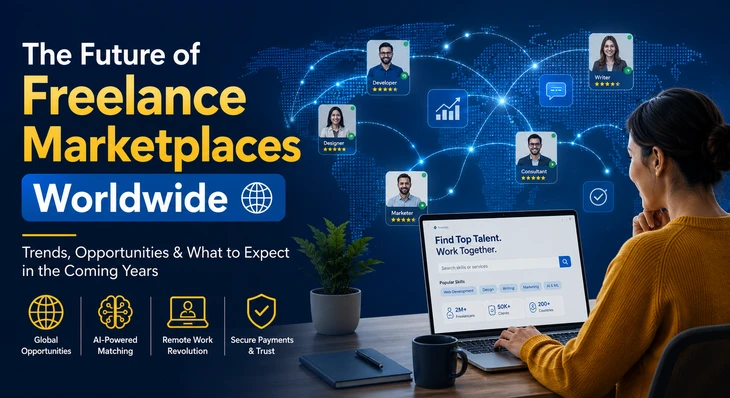
What makes this model powerful is the technology behind it. Digital platforms now connect workers directly with clients in real time, removing traditional barriers like location, hiring cycles, and middlemen. Whether someone offers graphic design, content writing, coding, or online tutoring, they can find opportunities instantly on global platforms.
But the gig economy is no longer just a side hustle space. For many professionals, it has become a full-time, sustainable career path.
Why the Gig Economy Is Growing So Fast Worldwide
Several real-world changes have pushed the freelance economy into the mainstream.
One of the biggest drivers is digital transformation. High-speed internet, cloud tools, and collaboration apps have made remote work seamless. A person in India can now collaborate with a startup in London without ever meeting in person.
Another major factor is a change in career priorities. Many professionals now value flexibility, freedom, and work-life balance more than traditional job security. The idea of working the same job for 30 years is becoming less appealing to younger generations.
The COVID-19 pandemic also played a major role. When offices shut down, businesses quickly realized that work could continue remotely. This opened the door for companies to hire independent talent on a project basis rather than in full-time roles.
As a result, freelance platforms, remote contracts, and on-demand jobs have seen massive global growth.
The Real Reasons People Are Choosing Gig Work
The popularity of gig-based careers is not accidental. It is driven by practical benefits that fit modern lifestyles.
Freedom to Work on Your Own Terms
Many people are drawn to gig work because they can decide when and where they work. There is no fixed office schedule, which makes it easier to balance personal life and professional goals.
Access to Global Clients
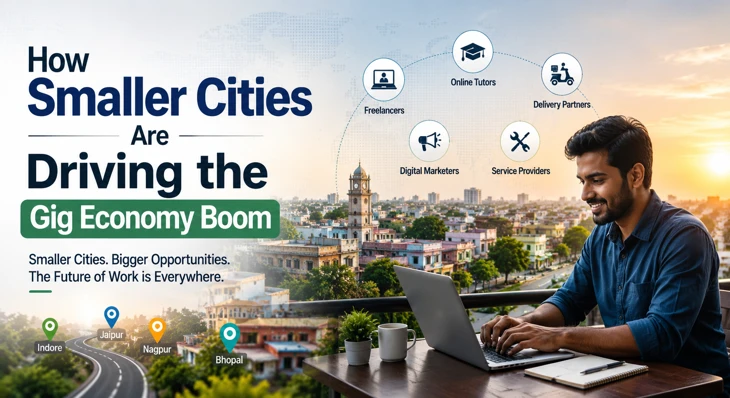
Geography is no longer a limitation. A freelance developer in Bhopal can work with companies in New York, Dubai, or Singapore. This global reach increases both opportunities and earning potential.
Faster Skill Growth
Gig workers often learn faster because every project is different. Instead of doing repetitive tasks, they are constantly exposed to new tools, industries, and challenges.
Multiple Income Sources
Unlike traditional jobs, freelance professionals are not dependent on a single salary. They can work with multiple clients simultaneously, which helps reduce financial risk.
Challenges That Come With Freelance and Gig Work
Even though the gig economy offers freedom, it is not without difficulties. Understanding these challenges is important for long-term success.
Income Can Fluctuate
One month may be highly profitable, while another may be slow. Unlike salaried jobs, there is no fixed monthly income guarantee.
No Built-In Job Security
Freelancers usually do not receive benefits like health insurance, paid leave, or retirement plans unless they arrange them independently.
As more professionals join freelance marketplaces, standing out becomes harder. Clients often have hundreds of options for a single project.
Self-Management Becomes Critical
From finding clients to handling deadlines, taxes, and communication, gig workers must manage everything on their own.
How Gig Work Is Changing Career Structures
The impact of the gig economy goes far beyond individual freelancers. It is reshaping how entire careers are built and understood.
Careers Are Becoming Portfolio-Based
Instead of working for one company for years, professionals now build careers through multiple projects and clients. Experience is measured by portfolio strength rather than job titles.
Companies Are Hiring Flexibly
Businesses are increasingly moving toward project-based hiring. Instead of hiring full-time employees for every role, they bring in specialists only when needed.
Rise of Independent Professionals
Fields like content writing, digital marketing, web development, and video production are now heavily driven by freelancers rather than in-house teams.
Work Is Becoming Decentralized
Teams are no longer located in one office. A single project team may include members from five different countries working together online.
Industries Where the Gig Economy Is Thriving
Some industries have seen particularly strong growth due to freelance and gig-based work models.
Technology and Software Development
Tech professionals such as app developers, web designers, and cybersecurity experts are in high demand across global freelance platforms.
Creative and Digital Services
Graphic designers, content creators, copywriters, and video editors are building full careers through remote project work.
Transportation and Delivery Services
App-based ride services and food delivery platforms have become a major part of urban economies worldwide.
Education and Online Learning
Tutors, trainers, and coaches now teach students globally through virtual platforms, making education more accessible than ever.
Technology Driving the Gig Economy Forward
Without technology, the gig economy would not exist at its current scale.
Cloud computing, communication apps, and freelance marketplaces have made remote collaboration effortless. Payments, contracts, and project tracking can now be handled digitally within minutes.
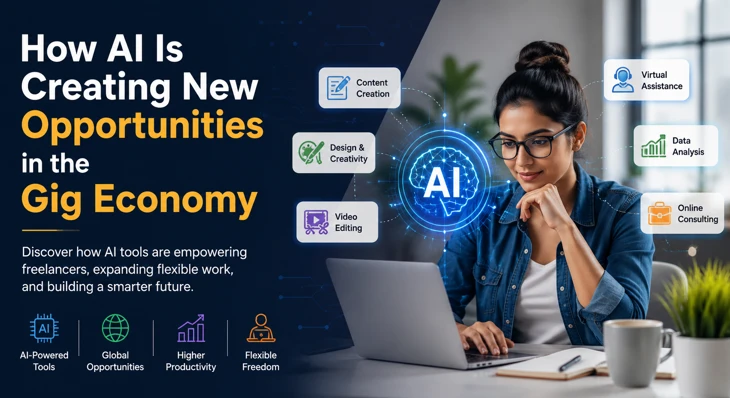
Artificial intelligence is also changing how freelancers find work by matching skills with projects more efficiently and reducing manual effort in client discovery.
The Future of Gig-Based Careers
The future of work is expected to become even more flexible and blended.
Many experts believe that hybrid careers will become the norm, with people combining traditional jobs with freelance work. Instead of choosing a single path, professionals may build multiple income streams simultaneously.
Governments and organizations are also beginning to recognize gig workers and to explore better protections and policies to support them.
As automation increases, task-based and skill-based work will likely grow even more.
How to Succeed in the Gig Economy
Success in freelance work does not depend only on talent. It requires consistency, planning, and strong positioning.
Build a Strong Personal Identity
A clear online presence helps clients understand your skills and trust your work.
Keep Learning New Skills
The most successful freelancers constantly upgrade their skills to stay relevant in a changing market.
Not all freelance platforms offer the same quality of work. Selecting the right one can make a big difference.
Focus on Long-Term Client Relationships
Repeat clients often bring more stable income than constantly searching for new projects.
Manage Finances Smartly
Since income may vary, saving and budgeting are essential for stability.
Real-Life Shift in Work Culture
Across the world, professionals are proving that careers do not need to follow a traditional path. A designer can now work with global brands without leaving their home city. A writer can earn from multiple international clients without ever stepping into an office.
These real-world changes show that the gig economy is not just a trend—it is a permanent shift in how careers are built and sustained.
FAQs
What is meant by the gig economy?
It is a system in which people earn income through short-term freelance or task-based work rather than full-time jobs.
Is gig work reliable as a career?
Yes, but it depends on skills, consistency, and the ability to manage multiple clients effectively.
Which skills are best for gig work?
Popular skills include writing, programming, design, digital marketing, and video editing.
Can gig work replace a full-time job?
For many professionals, it already has. Others use it as an additional source of income.
How do freelancers get clients?
They typically use freelance platforms, referrals, social media, and personal networks.
Conclusion
The gig economy has completely changed how people think about work and careers. It has opened doors to global opportunities, flexible schedules, and skill-based earning potential.
While it comes with challenges like income variability and competition, the advantages of independence, flexibility, and growth continue to attract millions of professionals worldwide.
As digital tools evolve and remote work becomes even more common, gig-based careers will continue to grow in importance. Those who adapt early, keep learning, and build strong professional identities will be best positioned to thrive in this new world of work.