📚 Table of Contents
- Gen Z Sees Work Differently Than Older Generations
- The Gig Economy Feels More Natural to Gen Z
- Flexibility Is More Valuable Than Job Titles
- Work-Life Balance Matters More Than Ever
- Social Media Changed Career Aspirations
- Remote Work Permanently Changed Expectations
- Gen Z Wants More Control Over Income
- Corporate Culture Often Feels Too Rigid
- Digital Skills Make Freelancing Easier
- Entrepreneurship Feels More Achievable Today
- Skill-Based Careers Are Becoming More Important
- Financial Freedom Is a Strong Motivation
- Gig Work Still Comes With Challenges
- Companies Are Starting to Adapt
- The Future of Work Will Likely Be More Flexible
- FAQs
- Why does Gen Z prefer gig work over corporate careers?
- Is gig work better than a corporate job?
- What types of gig jobs are popular among Gen Z?
- Why is remote work important to Gen Z?
- What are the biggest challenges of gig work?
- How are companies adapting to Gen Z work preferences?
- Conclusion
Why Gen Z Prefers Gig Work Over Corporate Careers
A few years ago, landing a corporate job was considered the ultimate career goal for most young professionals. A stable salary, office cabin, yearly promotion, and long-term job security were seen as signs of success. That mindset is changing quickly. Today, many Gen Z professionals are moving toward freelancing, remote work, side hustles, and project-based careers instead of traditional office jobs. They are choosing flexibility over fixed schedules and freedom over rigid corporate systems. From freelance writers and designers to online coaches, creators, and app developers, young workers are building careers in ways previous generations rarely imagined. The rise of the gig economy is no longer just a trend. It is becoming a major part of the modern workforce. In this article, we’ll explore why Gen Z prefers gig work over corporate careers, what motivates this shift, and how businesses are adapting to the changing future of work.Gen Z Sees Work Differently Than Older Generations
Gen Z grew up in a digital-first world. They watched people build businesses on social media, earn money through content creation, and work remotely from almost anywhere. Because of this exposure, many young professionals no longer believe that a traditional office career is the only path to success. Unlike older generations that often prioritized job stability above everything else, Gen Z tends to focus more on:- Flexibility
- Independence
- Mental well-being
- Work-life balance
- Meaningful work
- Financial freedom
The Gig Economy Feels More Natural to Gen Z
The gig economy has expanded rapidly over the past decade. Freelance marketplaces, creator platforms, and remote job websites have made independent work easier than ever before. image_group{"layout": "carousel", "aspect_ratio": "16:9", "query":["Gen Z freelancers working remotely","young freelancer working from cafe", "remote gig economy professionals", "digital nomad Gen Z lifestyle"], "num_per_query":1} Today, someone with a laptop and an internet connection can earn income from almost anywhere. A graphic designer in India can work with a startup in Canada. A video editor can handle projects for YouTubers across different countries. A content writer can manage international clients without stepping into an office. For Gen Z, this type of work environment feels normal. Many young professionals are comfortable using online tools, communication apps, and digital platforms daily. Because of that, freelancing and remote gig work feel more accessible than traditional office jobs.Flexibility Is More Valuable Than Job Titles
One of the strongest reasons Gen Z prefers gig work over corporate careers is flexibility. A large number of young workers no longer want strict 9-to-5 routines. They want control over their schedules and the freedom to decide how they spend their time. Gig work allows them to:- Work from home or anywhere else
- Choose their working hours
- Take on projects they enjoy
- Travel while working remotely
- Build multiple income streams
- Spend more time with family and friends
Work-Life Balance Matters More Than Ever
Previous generations were often taught that success required sacrificing personal time. Long office hours, stressful schedules, and constant pressure were considered part of professional growth. Gen Z is questioning that idea. This generation places far greater importance on mental health and work-life balance. Many young professionals saw older workers struggle with burnout, workplace stress, and unhealthy work cultures. As a result, they are actively looking for careers that support a healthier lifestyle. Gig work offers more control over workloads and schedules. A freelancer can decide how many projects to accept each month. A remote creator can adjust working hours when feeling overwhelmed. That freedom creates a stronger sense of balance. Of course, gig work also comes with pressure and uncertainty. Still, many Gen Z workers believe the trade-off is worth it.Social Media Changed Career Aspirations
Social media has completely transformed how younger generations view career success. Platforms like TikTok, Instagram, YouTube, and LinkedIn constantly expose Gen Z to alternative ways of earning income. Every day, they see:- Freelancers building personal brands
- Digital creators monetizing content
- Entrepreneurs running online businesses
- Remote workers traveling while earning
- Small business owners growing through social media
Remote Work Permanently Changed Expectations
The remote work boom had a major impact on workplace expectations. Once employees experienced flexible work environments during the pandemic, many realized they could remain productive without sitting inside an office every day. Gen Z especially embraced remote work. Many young professionals now see commuting for hours and working under rigid office systems as unnecessary. Because gig work usually offers location flexibility, it has become even more attractive since remote work has become mainstream. image_group{"layout": "carousel", "aspect_ratio": "16:9", "query":["remote work lifestyle young professionals", "Gen Z working from home", "young freelancer with laptop at home", "modern remote work setup"], "num_per_query":1} For example, a freelance developer can work with global clients from home while maintaining a flexible daily routine. That level of freedom is difficult to ignore.Gen Z Wants More Control Over Income
Another reason Gen Z prefers gig work is the opportunity to create multiple income streams. Traditional corporate jobs usually offer fixed salaries. Gig workers, however, can earn through multiple channels simultaneously. Some common income sources include:- Freelancing
- Content creation
- Affiliate marketing
- Selling digital products
- Consulting services
- E-commerce businesses
- Remote contract work
Corporate Culture Often Feels Too Rigid
Many traditional workplaces still follow outdated systems that do not align with Gen Z expectations. Strict hierarchies, micromanagement, limited flexibility, and slow communication styles can feel frustrating for younger employees. Gen Z generally prefers workplaces that encourage:- Open communication
- Collaboration
- Creativity
- Fast decision-making
- Skill-based growth
- Flexible leadership
Digital Skills Make Freelancing Easier
Gen Z has grown up using technology almost every day of their lives. Most young professionals are already comfortable with:- Video editing tools
- Social media platforms
- Online collaboration apps
- AI-powered software
- Digital marketing systems
- Remote communication tools
- E-commerce platforms
Entrepreneurship Feels More Achievable Today
Starting a business once required large investments, office space, and big teams. Now, someone can build an online business using only a laptop and an internet connection. image_group{"layout": "carousel", "aspect_ratio": "16:9", "query":["young entrepreneur building online business", "Gen Z startup founder working remotely","freelancer personal brand setup"," online business owner laptop workspace"], "num_per_query":1} Gen Z entrepreneurs can launch:- Digital agencies
- E-commerce stores
- Online coaching businesses
- Content brands
- Subscription communities
- Freelance service businesses
Skill-Based Careers Are Becoming More Important
Another major shift is the growing importance of practical skills. In many freelance industries, clients care more about results and portfolios than university degrees. A skilled copywriter, designer, or developer can build a strong career through experience and proven work quality. Online learning platforms have also made skill development easier. Gen Z workers can learn:- Coding
- Graphic design
- Content marketing
- Video editing
- SEO
- Social media management
- Website development
Financial Freedom Is a Strong Motivation
Many Gen Z professionals believe gig work offers greater earning potential. A freelancer is not limited to one salary structure. For example, a content creator can earn through:- Brand sponsorships
- Advertising revenue
- Digital products
- Affiliate income
- Paid memberships
Gig Work Still Comes With Challenges
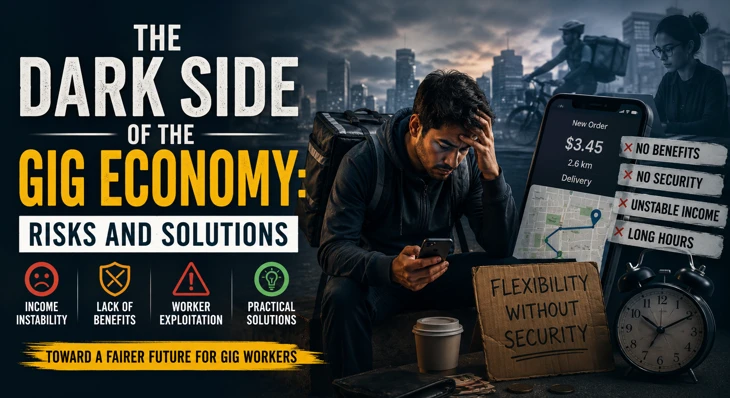
Although gig work offers freedom and flexibility, it is not perfect. Freelancers and independent workers often deal with:- Unpredictable income
- Lack of job security
- No employer-sponsored benefits
- Difficulty finding clients consistently
- Heavy competition
- Self-discipline challenges
Companies Are Starting to Adapt
Businesses are beginning to realize that workplace expectations are changing. To attract younger talent, many companies are introducing:- Hybrid work models
- Flexible schedules
- Remote job opportunities
- Wellness programs
- Skill development initiatives
- More inclusive workplace cultures
The Future of Work Will Likely Be More Flexible
Corporate careers are not disappearing completely. However, the traditional idea of spending decades in one office job is becoming less common. The future workforce will likely include a mix of:- Full-time employment
- Freelance projects
- Remote contracts
- Personal businesses
- Creator-based income streams