The Person Behind the Solder Wave
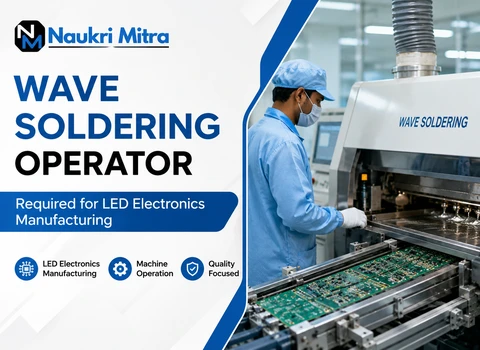
Walk onto most electronics assembly floors in India, and you'll find a machine that looks almost boring from the outside — a long metal tunnel with a conveyor running through it. Inside, though, molten solder is pumped into a standing wave, and every circuit board that passes over it has its components permanently bonded to the copper. Someone has to run that machine, watch it, and catch the boards it gets wrong. That's the Wave Soldering Operator. In Sriperumbudur, Tamil Nadu, this is a full-time position, and it sits at the center of how LED products are actually built — not designed or tested, but physically put together.
Why LED Plants Don't Leave This to Just Anyone
You'd think soldering is soldering, but LED boards are unforgiving. A joint that's slightly cold, or a pad that gets skipped because the flux ran thin, can mean a light that flickers after three months instead of lasting three years. Factories learned this the hard way years ago, which is why the soldering stage now has its own dedicated operator rather than being handled by whoever's free that shift. Get the temperature or the conveyor speed wrong, and you don't find out immediately — you find out in returns, weeks later.
What the First Hour of a Shift Looks Like
Before a single board goes near the machine, the operator checks yesterday's settings against today's job card — solder pot temperature, flux flow, conveyor speed, all of it needs to match the board being run. Then comes the part nobody skips: watching the first few boards come through and pulling them for inspection. Bridging between pads, a dry-looking joint, a spot where the flux clearly didn't reach — any of these means stop, adjust, run a test batch again. Only once the line is stable does full production start.
What the Job Actually Involves
- Setting solder temperature, flux quantity, and conveyor speed for each board type
- Loading and unloading PCBs without damaging leads or misaligning them on the fixture
- Checking joints under inspection lamps or a magnifier, batch after batch
- Skimming dross off the solder pot and cleaning nozzles before they clog
- Logging output numbers and rejection counts at the end of each shift
- Flagging anything odd — a smell, a temperature that won't hold, a jammed conveyor — before it becomes a bigger problem
The Kind of Floor You'd Be Working On
This work happens inside enclosed electronics assembly units, the kind with SMT lines running alongside wave soldering bays under one roof. It's not a heavy industrial shed with cranes and forklifts — it's closer to a controlled production hall, usually with fume extraction hoods over the soldering stations. Sriperumbudur has built up a real cluster of electronics and component manufacturing over the past couple of decades, and units like this are part of why that region keeps hiring for floor-level technical roles.
Tools You'll Have Your Hands On
The wave soldering machine is obviously the centerpiece, but the job pulls in more than that — flux applicators, a digital thermometer for spot-checking the wave temperature, a multimeter for quick continuity checks when something looks off, and inspection lamps for the close visual work. Some newer lines run an AOI (automated optical inspection) camera that flags suspect joints automatically, though even then, someone still has to look at what the camera catches and decide if it's a real defect or a false alarm.
What Actually Makes Someone Good at This
Knowing the chemistry of flux and solder alloys helps, sure. But honestly, what separates a decent operator from a great one is patience — the willingness to catch a defect on board 40 of a 500-board run instead of getting complacent by then. Reading a PCB layout well enough to spot a misaligned component at a glance matters too. And operators who can clear a minor conveyor jam or unclog a nozzle themselves, instead of calling maintenance and waiting twenty minutes, tend to be the ones supervisors trust with the tricky boards.
Who Fits This Role
Freshers can get into this line of work, and plenty do. So can ITI holders from electronics or electrical trades, and diploma holders in electronics or mechanical fields who want floor experience rather than a desk job straight away. Prior exposure to soldering or assembly work is a plus most employers look for, but it's common for units to train someone from scratch if they show steady hands and genuine interest in the process.
What Your Body Deals With
You're on your feet most of the shift. Your hands are doing the same loading motion again and again. There's heat coming off the machine and some amount of flux fume in the air even with extraction running, so decent eyesight — corrected or otherwise — matters for catching fine defects hour after hour. Being a full-time role, shifts can rotate depending on how the plant schedules its production.
Safety Isn't Optional Here
Molten solder and fumes don't leave much room for shortcuts. Heat-resistant gloves, safety glasses, and anti-static footwear are standard requirements, and working under a functioning fume-extraction system isn't negotiable. When it's time to clean or service the machine, lockout procedures exist for a reason — skipping them because it's "just for a minute" is exactly how accidents happen on lines like this.
Where New Operators Usually Struggle
Judging the right amount of flux takes longer to learn than people expect — too little and joints go dry, too much and you're dealing with bridging and cleanup. The fix that actually works is spending real time early on comparing good joints against bad ones side by side until your eye adjusts. Keeping the solder pot free of dross and holding the conveyor speed steady quietly prevent most recurring quality headaches operators run into later.
Where This Can Lead
Operators who stay consistent and keep their rejection numbers low don't usually stay at entry level forever. Line-in-charge and shift supervisor positions are open to people who know the process inside out. Some move sideways into quality inspection, others into maintaining the soldering equipment itself. None of this happens overnight, but reliability on the floor tends to get noticed.
Pay and What Might Come With It
This full-time Wave Soldering Operator position in Sriperumbudur, Tamil Nadu, pays ₹33,600 per month. Beyond the base salary, some employers offer overtime pay, PF, ESI, occasional bonuses, uniforms, or transport and canteen facilities — none of these are guaranteed at every company, so it's worth confirming directly with the employer during hiring.