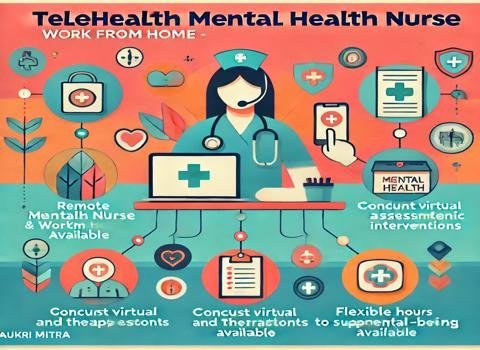
Telehealth Mental Health Nurse – Remote Opportunity
Let’s talk straight. You’re here because you care about people and their mental health. You’ve probably worked shifts that stretched way too long, heard stories that broke your heart, and celebrated those small wins when someone took their first real step forward. Now imagine being able to do all of that from home—without losing the personal connection that makes this work so meaningful. That’s what this remote role is all about.
We’re bringing together a compassionate, supportive, and forward-thinking team of mental health professionals. And we want you—the
Telehealth Mental Health Nurse who thrives in both digital and human connection—to be part of it.
Why Telehealth Mental Health Nursing Matters Today
Mental health care is shifting. More people are reaching out online than ever before. Some feel safer talking from their own home. Others live in places where help isn’t just down the street. That’s where you come in. As a
virtual psychiatric nurse, you’ll bridge the gap between patients and the care they desperately need. You’ll help them feel seen, supported, and safe—no matter where they’re logging in from.
This isn’t just about video calls or remote check-ins. It’s about reimagining how care works in the digital age. You’ll guide, support, and sometimes hold space for people who are navigating their hardest days. And you’ll do it while having the flexibility to balance your own life more healthily.
A Day in the Life of a Remote Mental Health Nurse
Wondering what your routine will feel like here? Let’s paint a picture:
- Morning check-in: Review your schedule and look over notes from the previous day. Maybe your first call is with a teenager adjusting to a new anxiety treatment plan. You offer reassurance, answer their questions, and coordinate with their provider.
- Midday: Log into a group session, offering online mental health support to adults who are trying out coping techniques for depression. You track their progress and share observations with the broader care team.
- Afternoon: Follow up with a patient flagged for remote patient monitoring in mental health. They’ve shown signs of worsening mood, so you check in gently and help them set up a crisis plan.
- End of day: Document notes, sync with your colleagues, and join a quick virtual team huddle. Everyone shares wins, challenges, and ideas.
It’s purposeful work, but with room for breathing. No long commutes, no fluorescent hospital halls—just you, your patients, and a supportive digital environment.
Key Responsibilities in Virtual Psychiatric Nursing
Here, your role goes beyond routine check-ins. You’ll:
- Jump on secure video calls, send quick check-in messages, and be that steady telepsychiatry nursing support patients count on.
- Play the behind-the-scenes role of a digital patient care coordinator, making sure treatment plans don’t get lost between providers.
- Offer behavioral therapy assistance, guiding patients through small, practical steps that complement their sessions.
- Step up when urgent help is needed, acting as a mental health crisis intervention nurse alongside specialists.
- Show up as a remote behavioral health nurse who makes patients feel safe opening up about long-hidden issues.
- Contribute ideas for improved digital healthcare solutions that enhance care accessibility.
- Collaborate with or support a telehealth psychiatric nurse practitioner where advanced care is required.
This mix of clinical support, emotional presence, and digital fluency is what makes the role both challenging and incredibly rewarding.
Essential Skills for Telehealth Mental Health Nurses
You don’t need to be perfect, but these qualities will make the work feel natural:
- Solid clinical background in psychiatric or mental health nursing.
- You’re not afraid to juggle Zoom, patient apps, and charting software all in the same morning.
- Empathy that comes through, even over a screen.
- Flexibility to handle scheduled calls and unexpected urgent moments.
- A calm presence when someone else feels like their world is collapsing.
- A team-first mindset—you’ll be part of a group, even if you’re not in the same room.
You’ll need an active RN license (psychiatric/mental health specialty preferred) to step confidently into this role. Think of yourself as part nurse, part coach, part guide—someone who listens deeply and acts decisively.
Collaboration in Digital Behavioral Health Services
Even though this is remote, you’ll never feel alone. You’ll be surrounded by:
- Other virtual healthcare professionals who understand the importance of holding tough conversations through a screen.
- Psychiatrists and therapists who lean on you for insights from your sessions.
- Tech professionals are ensuring the systems run smoothly, allowing you to focus on care rather than troubleshooting glitches.
- Patients who may be hesitant at first but often end up saying things like, “This is the first time I’ve really felt heard.”
We know remote work can sometimes feel isolating. That’s why we keep things connected with weekly team check-ins, ongoing training, and open communication.
Real-World Telehealth Nursing Success Stories
Want a glimpse of what this can feel like?
One of our nurses shared how she supported a young man through
psychiatric telehealth services after he lost his job. Living in a small town with no local therapist, he relied on weekly video check-ins. She listened, encouraged him, and coordinated with the psychiatrist on medication follow-ups. A few months later, he told her,
“I don’t know where I’d be if I couldn’t have done this from home.” That’s the kind of impact you’ll make.
Another teammate told us about coaching a parent who was struggling with their teenager’s panic attacks. Acting as a
virtual psychiatric care consultant, she provided tips, calmed fears, and helped set up an at-home plan. The family now says they feel stronger and more connected.
Telehealth Nursing Tools and Technology
Don’t worry—you don’t need to be a tech wizard. We’ll train you on everything. But here’s the toolkit that keeps our care flowing:
- Secure video platforms for patient calls.
- Messaging apps designed for online counseling support nurses.
- Digital dashboards for tracking care plans and progress.
- Alerts for urgent cases that need immediate attention.
Our
digital behavioral health services rely on these tools to make care seamless and accessible. All platforms are HIPAA-compliant, so you and your patients can feel secure in every interaction.
Our Core Values in Mental Health Telemedicine
We’ve built this role around a few core beliefs:
- Care comes first. Every system, tool, and process is built to support better patient outcomes.
- Flexibility matters. Remote doesn’t mean rigid. We respect work-life balance.
- No lone rangers here. We’ve found care works best when everyone has each other’s back.
- Small steps create significant change. Sometimes it’s the little check-in that makes the difference.
If these values click with you, you’ll feel right at home here.
Salary and Benefits
- Annual Salary: $30,000
- Want control over your schedule? You’ll finally get to say goodbye to endless night shifts—unless that’s your preference.
- Remote work setup—build your workspace the way you like it, no commuting required.
- Professional development:
- Ongoing training programs.
- Opportunities for new certifications.
- Workshops that keep you ahead in telehealth practices.
- A supportive digital community of peers and leaders.
- The chance to contribute to shaping the future of mental health telemedicine.
We know salary matters, but so does everything around it. Here, it’s about feeling supported, respected, and empowered.
Career Growth in Telehealth Mental Health Nursing
This isn’t a dead-end role. Think of it as a stepping stone in a fast-growing field:
- You could move into senior roles guiding other nurses.
- You might become a specialist in remote psychiatric care provider services for specific conditions.
- Or maybe you’ll help design better digital healthcare solutions with the tech team.
Telehealth is expanding, and being at the center of it opens doors you may not have considered before. As a
Telehealth Mental Health Nurse, you’ll not only gain clinical experience but also open doors to leadership roles in remote care.
Why Choose This Remote Mental Health Nursing Role
Plenty of remote jobs exist, but not all of them blend heart and purpose the way this one does. Here, you’ll:
- Balance professional care with personal empathy.
- Work from anywhere but still feel part of a team.
- Have flexibility without losing stability.
- See the direct impact of your support in patients’ lives.
And honestly? That’s rare.
Let’s Wrap This Up
You’ve probably read enough job ads to know when one feels cold and when one feels human. We want this to feel human—because the work you’ll do here is as real as it gets. Every call, every message, every patient interaction—it all matters.
If you’re ready to step into a role where your nursing skills meet the digital world, this is your chance. Be that
Telehealth Mental Health Nurse who shows up, listens, and helps someone take their next step forward. Together, we’ll prove that remote doesn’t mean distant—it can mean deeply connected.
So, what do you say? Ready to make an impact from anywhere? Apply today and step into a career where compassion, technology, and nursing come together to change lives—yours included.