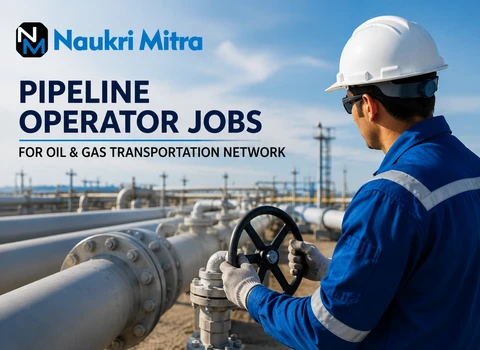
Pipeline Operator Jobs for Oil & Gas Transportation Network
Oil and gas transportation networks depend on a steady flow of product through thousands of kilometers of pipeline, and keeping that flow safe and uninterrupted is the daily job of a pipeline operator. In Kandla, Gujarat, this profession plays a direct role in supporting one of India's busiest ports and industrial corridors, where crude oil, petroleum products, and gas move daily from storage terminals to refineries and distribution points.
What the Role Involves in a Coastal Industrial Hub
A pipeline operator working in the oil and gas transportation network is responsible for monitoring pressure, flow rate, and valve operations across a pipeline system. Unlike a factory-floor job, this work often involves covering long stretches of pipeline, checking metering stations, and coordinating with control-room staff to ensure product movement stays within safe limits. This is a full-time position based in Kandla, Gujarat, India, and the work schedule typically aligns with the operational needs of the transportation network.
Why Companies Recruit for This Position
Pipeline networks run continuously, and even a small pressure fluctuation or valve malfunction can lead to product loss, contamination, or safety hazards. Companies hire dedicated operators because automated systems still require human judgment for inspection rounds, manual valve operation, leak detection and emergency response. A trained operator reduces downtime and protects both the equipment and the surrounding environment.
A Typical Working Day
- Reviewing shift handover notes and previous readings
- Patrolling pipeline sections and checking for leaks, corrosion or unauthorized activity
- Recording pressure, temperature and flow readings at designated stations
- Operating valves manually or through SCADA-linked control panels
- Reporting abnormal readings immediately to the control room
- Assisting with scheduled maintenance and pigging operations
Core Responsibilities on the Job
Beyond routine monitoring, an operator is expected to respond quickly during pressure surges, equipment trips, or suspected leaks. Documentation is also part of the role, since every reading and action taken during a shift needs to be logged accurately for compliance and safety audits.
Where This Work Happens
Operators in this field are typically stationed at pump stations, metering yards, tank farms, and along pipeline right-of-way corridors near ports and terminals. Given Kandla's position as a major port town in Gujarat, much of this work is connected to crude oil receipt terminals and onward transportation infrastructure.
Tools, Instruments and Equipment Used
The daily toolkit includes pressure gauges, flow meters, gas detectors, valve keys and communication radios. Many stations also use SCADA systems for remote monitoring, so basic familiarity with control panels and digital readouts is useful. Personal gas detectors are commonly carried during patrol rounds to catch leaks before they become hazardous.
Skills That Make a Strong Candidate
Technical understanding of pipeline systems, valve mechanisms and pressure dynamics is important, along with the ability to read technical drawings and process flow diagrams. Practical workplace skills such as alertness during patrols, clear communication with control room teams and calm decision-making during abnormal situations matter just as much as technical knowledge.
Educational Background Employers Look For
Employers generally prefer candidates with an ITI in a relevant trade, such as a fitter, electrician, or instrumentation, or a Diploma in Mechanical Engineering. Depending on the complexity of the pipeline system, additional exposure to precision measuring instruments and engineering drawings is often valued alongside formal qualifications, since much of the learning happens on the job.
Physical Demands and Working Conditions
This role involves walking long distances along pipeline routes, climbing platforms, and working outdoors in coastal heat and occasional monsoon conditions. Shift work is common in this industry because pipeline monitoring cannot pause, so operators should be prepared for rotational schedules that include night duty.
Safety Practices and Protective Gear
Given the flammable nature of transported products, safety is treated seriously. Operators are usually required to wear PPE such as safety helmets, fire-resistant coveralls, safety shoes, gloves, and gas detectors. Following lockout-tagout procedures and permit-to-work systems before any maintenance activity is standard practice.
Challenges Faced on the Job
Long patrol distances, exposure to the elements, and the pressure to respond quickly to abnormal readings can make this a demanding role. Staying alert during quiet night shifts and maintaining accurate documentation under time pressure are common challenges operators learn to manage with experience.
Growing Within the Profession
With experience, pipeline operators can progress toward senior operator roles, shift-in-charge positions, or control room supervisory responsibilities. Gaining certifications in SCADA operations or pipeline safety management can support this growth within the same industry.
Salary and Possible Benefits
The monthly salary for this full-time Pipeline Operator position in Kandla, Gujarat is ₹39,800. Depending on the employer, additional benefits such as overtime pay, PF, ESI, bonus, uniforms, transport, or canteen facilities may also be offered as part of the overall work arrangement.