What Does a Gas Plant Operator Actually Do?
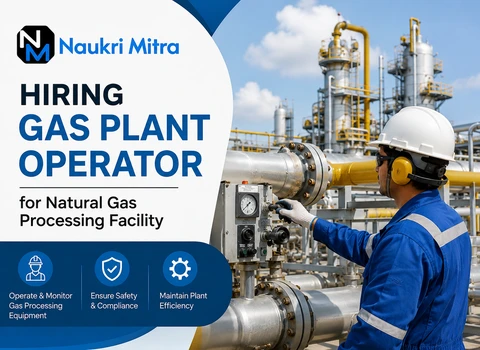
Every time gas reaches a stove, a factory boiler, or a vehicle's fuel line, it has already passed through hands like these. A Gas Plant Operator works in a natural gas processing facility, overseeing the equipment that cleans, cools, compresses, and moves gas so it's safe and ready for use. This particular opening is a Full-time position in Hazira, Gujarat, India, and it's the kind of job that suits someone who enjoys working with machines, doesn't mind a bit of pressure, and wants steady technical work rather than a desk job.
Why This Role Exists on Every Shift, Every Day
Gas plants don't switch off at 6 PM. They run day and night, and a small mistake in pressure or temperature can turn into a much bigger problem within minutes. That's why companies keep trained operators on-site around the clock — someone has to notice when a reading drifts out of range before it becomes an incident. Given that natural gas is flammable and often handled under high pressure, employers look for people who take procedures seriously rather than cut corners.
Walking Through a Regular Shift
An operator's day usually starts with a handover from whoever was on duty before them — what happened, what to watch for, and anything unusual. After that comes a walk around the unit: checking compressors, separators, and pipelines by eye before settling into the control panel. From there, it's a mix of reading gauges, adjusting valves, logging numbers, and staying alert to anything that looks off. If an alarm goes off, the operator doesn't wait around — they check the cause, alert the supervisor, and act within whatever limits their training allows. Between the bigger tasks, there's also routine housekeeping and quick coordination with the maintenance crew.
What the Job Involves Day to Day
- Running and keeping an eye on separation, dehydration, and compression units
- Taking accurate readings from pressure gauges, flow meters, and temperature indicators
- Starting up and shutting down equipment the right way, following set procedures
- Flagging abnormal readings or possible leaks to the supervisor without delay
- Keeping shift logs updated and accurate
- Helping out during planned maintenance and small troubleshooting jobs
Not Just Hazira — Where Else This Work Happens
This particular facility is in Hazira, but similar operator roles exist across oil and gas terminals, petrochemical plants, LNG terminals, and gas distribution stations throughout India. Gujarat in particular has grown into a major center for gas and petrochemical activity, so operators working here are often connected to a wider network of pipelines and storage terminals that feed both domestic supply chains and export operations.
The Instruments an Operator Learns to Trust
Pressure gauges, flow transmitters, gas chromatographs, control valves — these become second nature after a while. Most modern plants also run on SCADA or DCS systems, which put live plant data right on a control room screen. Knowing how to read these instruments isn't just about ticking boxes; it's what lets an operator distinguish a normal fluctuation from something that needs immediate attention. A working knowledge of basic mechanical tools helps too, especially for small adjustments that don't need a full maintenance callout.
Qualifications and Skills Employers Look For
A solid grasp of gas flow, pressure behavior, and basic instrumentation is the foundation here. Most employers prefer candidates with an ITI in a relevant trade, or a Diploma in Mechanical, Instrumentation, or Chemical Engineering — though in practice, hands-on comfort with process diagrams and measuring instruments often matters just as much as the certificate itself. Beyond the technical side, this job rewards people who stay disciplined under routine and don't panic when something unexpected happens.
What the Body Goes Through on This Job
Expect a fair amount of standing, walking between units, and climbing stairs or ladders across the plant. Some of the work happens outdoors, exposed to whatever the weather is doing that day. Shift work is part of the deal — night duty included, since gas plants run continuously. There's also noise from machinery and the occasional industrial smell in the air, which is exactly why protective gear isn't optional here; it's worn every shift, without exception.
Why Safety Comes First, Always
Natural gas is combustible, so safety isn't treated as a checklist item — it's built into how the plant operates every single day. Operators undergo training in gas leak detection, emergency shutdown procedures, and basic fire response. On the floor, that usually means flame-resistant clothing, a helmet, gloves, safety shoes, and a personal gas detector. Before any maintenance work starts, a proper permit-to-work process has to be followed — no shortcuts, no exceptions.
Where New Operators Tend to Struggle
Reading several instruments at once during an alarm situation isn't easy at first — it takes time before that starts to feel automatic rather than overwhelming. Adjusting to rotating shifts, especially night duty, can also take a physical toll in the early months. Most operators say the real confidence comes from time on the floor, watching how experienced colleagues handle situations, and asking questions rather than guessing when something is unclear.
Where This Career Can Lead
Operators who consistently perform and handle their responsibilities well often move into senior operator or shift-in-charge roles, where they coordinate the entire plant during a shift rather than just one unit. Earning additional certifications in instrumentation or process safety can open doors to control room supervisory positions or more specialized technical roles further down the line, often within the same plant.
Salary and What Else Comes With the Job
This Gas Plant Operator role in Hazira, Gujarat pays ₹43,200 per month. Depending on the employer's policy, industrial jobs like this one sometimes come with overtime pay, PF, ESI coverage, bonus payments, uniforms, and possibly transport or canteen facilities — worth checking during the hiring process rather than assuming any of it is guaranteed.
Should You Go For It?
If you're an ITI or diploma holder looking for steady, technically engaging work in India's energy sector, this Full-time position in Hazira is a reasonable place to start. It's not glamorous work, but it's real — the kind of job where paying attention and showing up reliably actually counts, and where a few years of experience can genuinely build toward something bigger in natural gas processing.