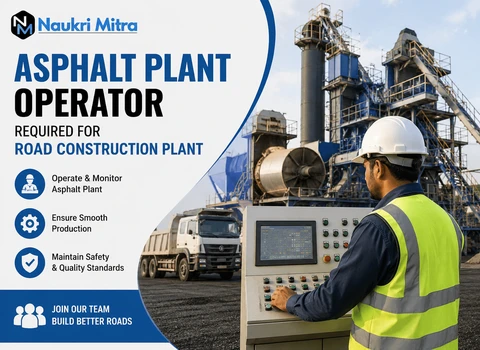
Understanding the Role of an Asphalt Plant Operator
Road construction depends on machines that can heat, mix, and dispense asphalt with precision, and someone has to run those machines every single day. That person is the asphalt plant operator, a professional responsible for producing the hot mix material that eventually becomes the road surface we drive on. If you are exploring this career, it helps to know that this is a hands-on, technical job suited to people who enjoy working with heavy machinery and don't mind an outdoor, industrial environment.
Why Road Construction Companies Need This Role
Every road project, whether it is a highway, a service lane, or an internal plant road, needs a steady supply of asphalt mixed to the correct temperature and ratio. Without a trained operator managing the plant, the mix quality suffers, and poor-quality asphalt leads to roads that crack or wear out quickly. This is why road construction companies actively look for people who can operate these plants reliably, shift after shift.
What a Typical Working Day Looks Like
A plant operator usually starts the day by checking the machinery, fuel levels, and raw material stock such as aggregates and bitumen. Through the day, the operator monitors temperature gauges, adjusts mixing ratios, and keeps an eye on the conveyor belts and burners. Communication with the site supervisor and truck drivers is constant, since the mix has to be ready exactly when it is needed for laying on the road.
Core Responsibilities on the Job
- Starting up and shutting down the asphalt mixing plant safely
- Monitoring control panels for temperature, pressure and flow readings
- Loading aggregates and bitumen in the correct proportions
- Coordinating with loader operators and truck drivers for material dispatch
- Carrying out basic maintenance checks on burners, dryers and mixers
- Recording production data and reporting faults to the maintenance team
Where This Work Happens
This job is based at road construction plants, which are often set up temporarily near the project site or at a fixed location that supplies multiple nearby projects. In this case, the position is for a plant in Ahmedabad, Gujarat, India, reflecting the steady pace of road infrastructure work across the state. These plants are usually open-air operations with covered control rooms, aggregate yards, and bitumen storage tanks.
Machines and Equipment Commonly Used
An asphalt plant operator works with hot-mix or drum-mix plants, aggregate bins, conveyor systems, bitumen heating tanks, burners, and a central control panel. Measuring instruments such as thermometers, weighing scales, and moisture meters are used regularly to ensure the mix meets the required standards. Understanding how each part of the plant connects to the next is what makes an operator effective at the job.
Skills That Make a Strong Candidate
Technical understanding of plant machinery is important, but so is the ability to stay alert during long production runs. Candidates with an ITI background in trades such as mechanical, electrical, or plant operations often adapt quickly to this role. A basic diploma in mechanical engineering can also be useful, especially for troubleshooting mechanical issues. Beyond formal training, practical exposure to reading gauges, following safety checklists and handling minor repairs is highly valued by employers.
Physical Demands and Shift Patterns
This is a physically active job that involves standing for long hours, working near heat sources, and sometimes climbing plant structures for inspection. Since road construction projects often run on tight schedules, operators may need to work in shifts, including early-morning or night shifts, depending on project deadlines. This is a full-time position, so consistency and punctuality matter a great deal.
Safety Practices and Protective Equipment
Because the job involves high temperatures, moving machinery, and dust, safety is a top priority. Operators are generally expected to wear PPE such as safety helmets, gloves, safety shoes, and sometimes heat-resistant clothing near burners. Following lockout procedures before maintenance, keeping walkways clear, and reporting unusual noises or leaks promptly are basic habits that prevent accidents on site.
Common Challenges Faced at the Plant
Working close to heat and dust for extended periods can be tiring, and sudden breakdowns during peak production hours can create pressure to fix issues quickly. Operators also need to adapt to changing weather conditions, since much of the work occurs outdoors. Building patience and staying calm during equipment troubleshooting are qualities that help operators handle these situations well.
Growing Within This Profession
With experience, an operator can move into senior operator roles, take charge of plant-in-charge responsibilities, or specialize in maintenance and troubleshooting. Many experienced operators eventually train newer staff or oversee multiple shifts. Staying up to date with newer plant technologies and mixing techniques can open doors to better positions over time within the same industry.
Salary and Benefits You Can Expect
This full-time position in Ahmedabad, Gujarat, India, offers a monthly salary of ₹ 32,000. Depending on the employer, additional benefits may include overtime pay, PF, ESI, bonuses, uniforms, or transport and canteen facilities, though these vary from one workplace to another and are not guaranteed.
Final Thoughts for Job Seekers
This role suits candidates who are comfortable with machinery, enjoy structured daily routines, and want steady, practical work in the construction sector. Freshers with ITI training and experienced workers alike can find a stable career path here, provided they are willing to learn the plant's systems and consistently follow safety practices.