📚 Table of Contents
- What Corporate Wellness Coaching Looks Like in Real Life
- Why Remote Corporate Wellness Coaching Is Growing So Fast
- Skills That Actually Matter in This Career
- Understanding Health in a Practical Way
- The Ability to Coach, Not Lecture
- Understanding Workplace Reality
- Comfort With Online Communication
- How You Can Start This Career Without Overthinking It
- Step 1: Learn the Basics Properly
- Step 2: Practice With Real People First
- Step 3: Build a Simple Presence Online
- Step 4: Understand What Companies Actually Want
- Step 5: Start Small, Then Expand
- What You Can Offer as a Corporate Wellness Coach
- One-on-One Coaching
- Group Sessions
- Workshops That People Actually Relate To
- Longer Wellness Programs
- Challenges You’ll Face (And What Really Helps)
- Getting People Interested at First
- Building Trust Online
- Proving Results to Companies
- A Realistic Picture of Growth in This Field
- Where This Career Is Headed
- Simple Tips That Actually Help You Grow
- FAQs
- Is a medical background required for corporate wellness coaching?
- Can this become a full-time remote career?
- How do beginners get their first clients?
- Is this career stable long-term?
- What tools are commonly used?
- How long does it take to build momentum?
- Conclusion
Corporate Wellness Coaching: How to Build a Remote Career in Health and Lifestyle
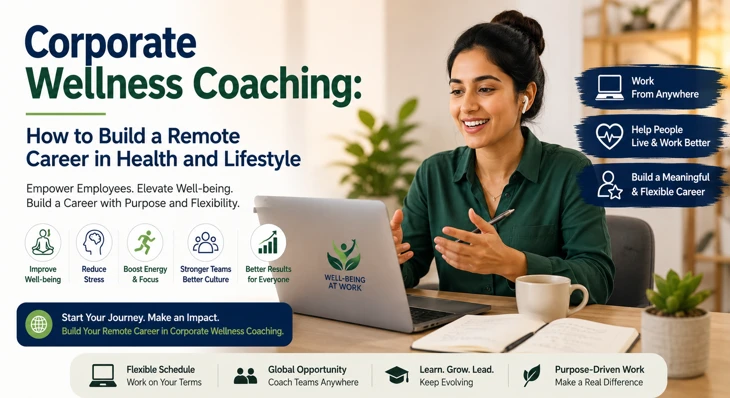
Corporate wellness coaching is no longer a “nice extra” sitting quietly inside HR budgets. It has become something companies actually rely on when work pressure starts affecting people’s energy, focus, and motivation. And honestly, that shift has created a very real opportunity for anyone interested in health, mindset, and lifestyle improvement. If you’ve been thinking about building a remote career in corporate wellness coaching, you’re stepping into a space that blends purpose with flexibility. You’re not just teaching habits—you’re helping people function better in their everyday work life. Let’s break this down in a way that actually feels real, practical, and easy to understand.What Corporate Wellness Coaching Looks Like in Real Life
Forget the overly formal definitions for a moment. Corporate wellness coaching is simply about helping working professionals feel better so they can perform better—without burning out in the process. It sits at the intersection of health and lifestyle coaching, stress management, and workplace behavior support. But in real-world terms, it often looks like this: Someone is constantly tired by 3 PM → you help them fix sleep and energy habits. Someone is overwhelmed by deadlines → you guide them on stress-management techniques. Someone is sitting all day and feels drained → you introduce movement and micro-break routines. It’s not about perfection. It’s about small shifts that actually stick. And that’s exactly why companies are investing in it more than ever.Why Remote Corporate Wellness Coaching Is Growing So Fast
A few years ago, wellness programs were mostly physical—gym sessions, office yoga, maybe a workshop once in a while. Now things look completely different. With remote work, hybrid schedules, and global teams, companies need wellness solutions that don’t depend on location. That’s where remote corporate wellness coaching naturally fits in. There’s also another reason this field is growing: people are tired. Not just physically, but mentally. Deadlines, constant notifications, back-to-back meetings—it all adds up. So organizations are finally asking a simple question: how do we help our people stay well while still performing at work? That question is exactly where your career opportunity sits.Skills That Actually Matter in This Career
You don’t need to sound like a textbook or have a long list of degrees. What matters more is how you work with people in real situations.Understanding Health in a Practical Way
You should know the basics—nutrition, sleep, movement, stress—but not in a complicated way. Clients don’t want theory. They want something they can follow on a Monday morning when life gets busy again.The Ability to Coach, Not Lecture
This is where many beginners struggle. Corporate wellness coaching is not about telling people what to do. It’s about helping them figure things out for themselves. Sometimes that means asking a simple question like: “What’s one small habit you could realistically change this week?” That’s often more powerful than a long explanation.Understanding Workplace Reality
Let’s be honest—most employees are not sitting around waiting for wellness advice. They’re busy. So your approach has to fit into real schedules, not ideal ones.Comfort With Online Communication
Since this is a remote career in health and lifestyle coaching, your screen becomes your workplace. You’ll be running sessions on video calls, sharing resources digitally, and staying connected without ever meeting in person.How You Can Start This Career Without Overthinking It
Most people delay starting because they think they need everything figured out first. You don’t. You just need a direction.Step 1: Learn the Basics Properly
Start with a wellness coaching certification or structured training. It gives you grounding and confidence when speaking to clients or companies. But don’t get stuck collecting certifications forever. One solid starting point is enough.Step 2: Practice With Real People First
Before going corporate, work with individuals. Help a friend improve their sleep routine. Guide someone through stress management. Run a small group challenge. You’ll learn more from real conversations than from any course.Step 3: Build a Simple Presence Online
You don’t need to be flashy. Just show what you care about. Maybe you share short insights about energy, habits, burnout, or productivity. Over time, people start to see you as someone who understands wellness in a real-world way. LinkedIn usually works well for this kind of remote corporate wellness coaching visibility.Step 4: Understand What Companies Actually Want
Here’s a truth many beginners miss: companies don’t hire wellness coaches for inspiration. They hire them for outcomes like:- Less burnout
- Better focus
- Improved engagement
- Reduced stress complaints
Step 5: Start Small, Then Expand
You don’t need big clients on day one. Start with small companies, startups, or even freelance contracts. One good result often leads to another. That’s how most remote wellness coaching careers actually grow.What You Can Offer as a Corporate Wellness Coach
This career is flexible, which is one of its biggest advantages. You can design your services based on your strengths and interests.One-on-One Coaching
Private sessions where you help employees address stress, habits, or energy issues in a highly personal way.Group Sessions
These feel more like conversations than lectures. You guide teams on topics such as burnout, focus, and work-life balance.Workshops That People Actually Relate To
Not boring presentations—but practical sessions on things like:- Getting through long workdays without exhaustion
- Building better daily routines
- Managing digital overload
Longer Wellness Programs
Some companies prefer ongoing support over weeks or months, where you track progress and adjust strategies as needed.Challenges You’ll Face (And What Really Helps)
No career is smooth all the time, and this one is no different.Getting People Interested at First
Not everyone is excited about wellness programs at first. What works better is keeping things practical. Less theory, more real-life solutions.Building Trust Online
Since you’re working remotely, trust doesn’t happen instantly. It builds through consistency—showing up, following up, and actually listening.Proving Results to Companies
Organizations want to see impact. You don’t need complex reports. Even simple feedback, habit improvements, and engagement changes can tell a strong story.A Realistic Picture of Growth in This Field
Let’s say you start with a small tech startup struggling with burnout. You run weekly online sessions focused on stress management and small habit changes. After a few months, employees feel more in control of their workdays. They’re less overwhelmed, more focused. The company notices the change. And slowly, your work starts spreading through referrals. That’s how a remote corporate wellness coaching career usually grows—not overnight, but steadily.Where This Career Is Headed
This is not a short-term trend. Work culture is changing permanently. Companies are now more aware of mental health, burnout, and the balance between productivity and well-being than ever before. In the coming years, we’ll likely see:- Wellness programs are becoming standard in workplaces
- More remote-first coaching roles
- Stronger focus on mental well-being at work
- Personalized employee wellness systems
Simple Tips That Actually Help You Grow
If there’s one thing that separates people who succeed in this field, it’s consistency. Not complexity. Just consistency. Stay focused on:- Keeping your coaching simple and actionable
- Improving how you communicate
- Building trust through real conversations
- Learning from every session you conduct
- Staying visible in your network