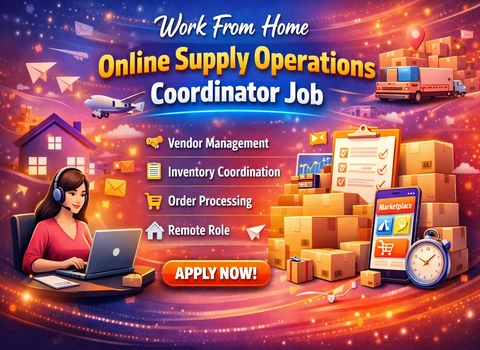
Remote Online Supply Operations Coordinator Opportunities
Every smooth online order and on-time delivery is made possible by a team dedicated to online order fulfillment, working diligently behind the scenes. As a remote supply chain coordinator, you become the linchpin of digital supply chain operations, keeping everything running smoothly and efficiently. If you find satisfaction in untangling complex problems and streamlining processes, this role gives you the chance to make a real impact on how companies live up to their commitments.
Role Overview
As a remote supply chain coordinator, you’ll be at the heart of supply operations management. Your day-to-day will involve overseeing the digital supply chain, from inventory management systems and inventory tracking to coordinating with vendors and logistics teams. No matter how unpredictable demand might get, you’ll help ensure the order fulfillment pipeline never skips a beat.
This role is so much more than just watching numbers change on a dashboard. Every decision you make has a ripple effect on fulfillment planning, customer satisfaction, and business growth. Each time you solve a problem or introduce a process improvement in operations, you’re directly boosting operational efficiency and the company’s ability to scale.
Offering an annual salary of $70,000, this position recognizes the importance of precision, reliability, and strong coordination skills—all while enjoying the flexibility and focus of a
remote work environment.
What This Role Contributes
Online order fulfillment and supply operations management are the backbone of any successful eCommerce operation. When these systems are humming, orders arrive as promised, teams stay on the same page, and growth happens without unnecessary roadblocks. But if something goes wrong—even a minor hiccup—it can quickly snowball into bigger business headaches.
In this position, you’ll be the bridge between inventory management systems, logistics coordination, and vendor communication. Whether it’s ensuring data accuracy in supply chain operations or troubleshooting issues before they become bigger problems, your work will influence delivery performance, fulfillment planning, and the customer experience every day.
You’ll act as the steady hand that keeps supply chain tracking tools and digital operations coordination running predictably—even when things move fast and unpredictably.
Day-to-Day Work
On a typical day, you might start by diving into supply chain data analysis, spotting any inconsistencies that could disrupt the workflow. You’ll monitor the order fulfillment pipeline, update inventory records, and ensure vendors adhere to agreed timelines. The goal is always to keep processes flowing smoothly and prevent issues from turning into bottlenecks.
Strong vendor communication is essential. You’ll regularly coordinate with suppliers, internal teams, and sometimes customer support to clarify details or iron out discrepancies. Even small adjustments—like updating stock level monitoring or rerouting a shipment—can make a huge difference in overall performance.
Continuous process improvement in operations is a big part of this job. By analyzing workflow patterns and using supply chain visibility tools, you’ll spot delays or inefficiencies and help optimize business operations efficiency. Each improvement you make builds a more resilient and reliable supply operation for the future.
Skills That Help You Succeed
To thrive here, you’ll need a mix of analytical skills and great communication. Being able to interpret data and act on it quickly is crucial, as is noticing the little details that could lead to bigger operational headaches. Curiosity and a love for problem-solving in supply chain management will set you apart.
Strong organizational skills are key—you’ll juggle multiple processes at once without losing sight of the details. Experience with inventory tracking, supply chain management principles, and remote team collaboration tools gives you a clear edge.
Adaptability is just as important. In supply operations, you’ll face unexpected changes—like delays, shortages, or shifting priorities. Staying calm and focused on supply chain problem-solving helps keep everything on track, no matter what comes your way.
How Work Happens in This Remote Role
Succeeding in a remote work environment means building structure, being disciplined, and communicating clearly. You’ll use cloud-based project management tools to manage your tasks and keep everyone in the loop, sharing updates with distributed teams in real time.
Collaboration often happens asynchronously, with scheduled check-ins to regroup as needed. Keeping clear documentation and using remote operations workflow tools are vital to ensure everyone’s on the same page about what comes next.
Good time management is crucial. Without the structure of a traditional office, you’ll need to organize tasks, set priorities, and keep your workflow optimized day after day.
Tools or Methods Used in the Work
You’ll rely on a suite of digital supply chain tracking tools to streamline operations and improve visibility. Inventory management systems and order management platforms help you keep tabs on stock levels and monitor the real-time progress of every order.
Collaboration happens through platforms like Slack or Microsoft Teams, while data dashboards and spreadsheets help with supply chain data analysis and reporting. Most teams also count on cloud-based project management tools for coordination and accountability.
Knowing your way around these systems—and understanding the importance of data accuracy in supply chain operations and workflow optimization—helps you excel in a remote role.
A Realistic Scenario or Short Workplace Story
Imagine this: A vital supplier shipment is suddenly delayed. Without fast action, online order fulfillment could grind to a halt, leaving customers frustrated and overwhelming the support team with questions.
Here’s how you’d handle it: Using your supply chain tracking tools, you spot the delay early. You reach out to the vendor for an update, check inventory tracking for alternative stock, then coordinate with internal teams to adjust the fulfillment plan. Every system gets updated, so everyone has the most current information.
The result? Customers receive clear updates, alternative solutions are implemented, and disruptions are kept to a minimum. Instead of a major problem, it becomes just another example of remote operations workflow and digital operations coordination done right.
Who Thrives in This Role
If you take pride in making things run smoothly behind the scenes, you’ll find this job rewarding. It’s a great fit for anyone who values accuracy, enjoys supply chain problem-solving, and wants to see the impact of their work across the entire business.
Curiosity about how processes work—and a drive for workflow optimization and business operations efficiency—will help you stand out. You’ll do well if you’re comfortable working independently but also enjoy collaborating with a remote team.
If you appreciate clear structure and like seeing measurable results from your efforts, you’ll find a real sense of accomplishment here.
Closing Message
This isn’t just another remote role—it’s your chance to help shape how businesses operate, deliver value, and grow every single day. Your work in supply operations management will have a real impact on customer satisfaction, operational excellence, and sustainable business growth.
If you’re seeking a meaningful, well-compensated opportunity that brings together organization, supply chain problem-solving, and the best of remote team collaboration, this role is a fantastic next step toward a resilient and rewarding career in supply operations management.