📚 Table of Contents
- Why Young People Are Choosing Tier-3 Cities Over Metros
- How Regional Growth Is Spreading in Tier-3 Cities
- Small-Town Entrepreneurship on the Rise
- Why Businesses Save More in Tier-3 Cities
- The Local Networks Powering Small-Town Businesses
- How Skill Training Is Powering Local Careers
- Rising Middle-Class Demand Fuels Jobs
- Inclusive Economic Development: Everyone Wins
- How Microfinance Is Fueling Small-Town Dreams
- Remote Work Adoption Opens Doors
- Local Manufacturing Units Revive Jobs
- Youth Employment Trends Changing Fast
- Community-Based Industries Bring Belonging
- The Booming Service Sector in Small Cities
- A Balanced Future Through Economic Decentralization
- Real People, Real Stories
- So, What’s Next?
- Final Thoughts
How Tier-3 Cities Are Creating Local Job Opportunities
Walk into any Tier-3 city today, and you’ll notice something different. Streets are busier, small shops are thriving, and young people aren’t rushing off to metro cities as fast as they used to. Why? Because new job opportunities are quietly blooming in places that were once overlooked. This shift isn’t only about getting a job—it’s about rewriting what the future looks like for small-town India. It’s about confidence, stability, and the chance to build a future closer to home. Let’s explore how Tier-3 cities are shaping the future of work, and why this matters for you, me, and everyone in between.Why Young People Are Choosing Tier-3 Cities Over Metros
For decades, young people have left small towns to chase big-city dreams. Better pay, more exposure, and the so-called “opportunities.” However, there is now an evident slowdown in urban migration. More importantly, we’re seeing signs of a reversal in youth migration. Why? People realize that the hustle of big cities comes at a steep price—sky-high housing, endless traffic, and a lack of work-life balance. Now, Tier-3 cities are stepping up. With jobs growing locally, families don’t feel pressured to send their kids away. Young professionals can stay closer to home, enjoy affordable living, and still build careers they’re proud of. A 2022 World Bank brief noted that over 30% of young migrants who had moved to metropolitan areas were considering returning to their hometowns due to affordability and work-life balance issues. That’s a strong indicator of shifting aspirations.How Regional Growth Is Spreading in Tier-3 Cities
When local businesses thrive, the entire town benefits. That’s exactly what’s happening. Tier-3 cities are showing signs of regional economic growth as industries expand beyond metros. Instead of wealth staying in a few hubs, it’s flowing into smaller communities. Walk through a Tier-3 market, and you’ll notice families spending more on food, clothes, and gadgets than they did just a few years ago. From new cafes and co-working spaces to training centers and logistics hubs, the economy is becoming more balanced. According to a 2023 NITI Aayog report, employment growth in Tier-3 cities increased by nearly 13% year-on-year, a sharp contrast to the stagnation in metro job numbers. This shows how local growth is no longer a side story—it’s becoming central to India’s future.Small-Town Entrepreneurship on the Rise
Ever noticed how a small-town bakery suddenly becomes a brand everyone talks about? Or how a tailoring unit gets bulk orders from across the state? That’s the power of small-town entrepreneurship. And here’s the kicker: we’re also seeing the beginnings of a startup ecosystem in smaller cities. Young people aren’t waiting for government jobs. They’re starting businesses—cafes, tech repair shops, eco-friendly packaging units, even local delivery startups. Take my friend, for example—he kicked off a digital marketing agency right out of his parents’ garage. Today, he employs 20 people, all of whom are from his hometown. That’s real impact.- Local bakeries turning into regional brands
- Students launching e-commerce stores from their hostels
- Freelancers turning into agency owners
Why Businesses Save More in Tier-3 Cities
Running a business in metros drains you—sky-high rents, rising bills, and endless overheads. In smaller towns, you get affordable infrastructure. Rent is cheaper, utilities are manageable, and even office spaces are within reach. This affordability attracts entrepreneurs and investors. Instead of burning cash on overheads, they can invest in growth—such as better machinery, staff training, or marketing. For job seekers, this means more local companies hiring. Schemes like the Prime Minister’s Employment Generation Programme (PMEGP) offer financial support through loans and subsidies, enabling entrepreneurs in smaller towns to establish and expand their ventures.The Local Networks Powering Small-Town Businesses
No business grows alone. It takes networks, suppliers, and support. Tier-3 cities are slowly creating a grassroots business ecosystem. For example, a garment unit buys cotton from nearby farmers, sells to a regional distributor, and hires local youth for stitching and packing. This keeps money circulating within the town. Everyone benefits—farmers, shopkeepers, workers, and business owners. And when global markets fluctuate, local systems remain resilient.How Skill Training Is Powering Local Careers
Having job openings isn’t enough—people also need the right skills to grab them. That’s why workforce upskilling programs are transforming Tier-3 towns and creating fresh rural employment opportunities. Training programs include:- Digital literacy workshops
- Spoken English & communication training
- Vocational courses for retail, IT, and services
- Online certifications for remote jobs
Rising Middle-Class Demand Fuels Jobs
Walk through a Tier-3 market, and you’ll see something new. Delivery trucks now weave through narrow lanes that were once reserved for bicycles and rickshaws. This rising demand from the middle class is creating local jobs in small towns across multiple sectors. Examples of sectors driving job creation include:- Retail chains and supermarkets
- Food delivery services
- Coaching and after-school programs
- Consumer electronics stores
Inclusive Economic Development: Everyone Wins
When opportunities spread, development becomes inclusive. Women, differently-abled workers, and marginalized groups are stepping into new industries. Community kitchens run by women’s groups are not only feeding schools but also providing steady incomes. Handloom cooperatives are reviving traditional crafts, giving younger generations a sense of pride in their roots. This represents inclusive economic development, which points toward sustainable development in small towns, ensuring that no one is left behind.How Microfinance Is Fueling Small-Town Dreams
Money has always been a roadblock. Many talented people couldn’t start businesses because banks wouldn’t trust them. That’s where microfinance opportunities step in. Small loans with flexible repayment are helping people leap. I met a woman in a Tier-3 town who started a tailoring shop with a microloan. Today, she employs four women and makes enough to send her kids to private school. It may look like a small step, but for her family, it’s a life-changing shift.Remote Work Adoption Opens Doors
COVID flipped the script. Companies realized workers don’t need to sit in glass towers to deliver results. With the adoption of remote work, even people in Tier-3 cities can join global firms. This shift is also fueling the growth of the digital economy, creating new opportunities. For many young professionals in Tier-3 cities, this is already an everyday reality. All you need is a stable internet connection and the right skills. The best part? You stay close to family while building a global career.- Remote IT jobs
- Online tutoring
- Freelance design and writing
- Virtual customer support
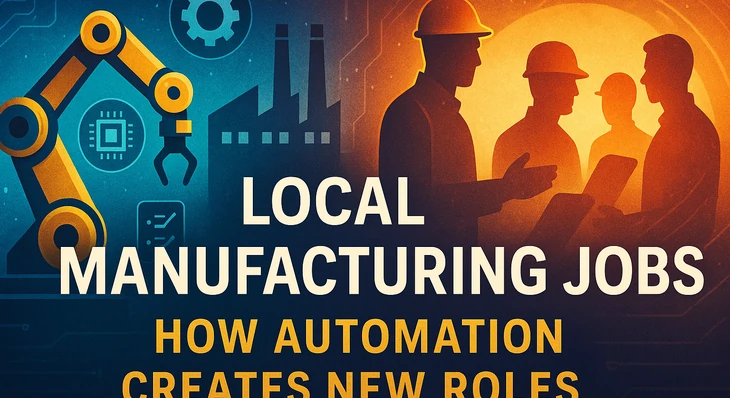
Local Manufacturing Units Revive Jobs
Manufacturing is no longer limited to large industrial zones. Smaller local manufacturing units are setting up in Tier-3 towns. From furniture making to food processing, these plants create steady jobs. For example, a small dairy plant in Bihar now employs over 50 locals. They manage everything, from collection and processing to packaging and distribution. Instead of people leaving for jobs, work is staying in the community.Youth Employment Trends Changing Fast
Not too long ago, many young people in small towns felt boxed in—with hardly any options or role models. But today, youth employment trends are shifting. Startups, service jobs, and online platforms are transforming the landscape and driving career growth in smaller cities. Students now run Instagram thrift stores, offer freelance tutoring, and create digital content—all while continuing to study. Hustle culture has entered Tier-3 towns—but with a more balanced approach and less burnout compared to metropolitan areas.- Running thrift Instagram stores
- Offering freelance tutoring
- Creating digital content