📚 Table of Contents
- Why Skill-Based Hiring Is Growing in 2026
- Digital Literacy Will Be Essential in Every Industry
- Important Digital Skills Employers Want
- Communication Skills Will Continue to Drive Career Growth
- Types of Communication Skills Employers Value
- Problem-Solving Skills Will Become More Important
- Real-Life Example of Problem-Solving at Work
- Key Problem-Solving Abilities
- Adaptability Will Be a Major Competitive Advantage
- Why Employers Value Adaptability
- Customer Service Skills Will Remain Highly Valuable
- Essential Customer Service Skills for 2026
- Skilled Trades Will Continue to Offer Strong Career Opportunities
- Why Skilled Trades Are Growing
- Valuable Trade Skills Employers Look For
- AI and Automation Awareness Will Matter More
- Practical AI Skills for Everyday Jobs
- Time Management and Organization Skills Are Critical
- Important Organizational Skills
- Emotional Intelligence Will Influence Hiring Decisions
- Why Emotional Intelligence Matters
- Data and Analytical Skills Are Expanding Beyond Tech Jobs
- Examples of Analytical Skills in the Workplace
- Leadership Skills Are Valuable at Every Career Level
- Signs of Strong Leadership Skills
- How to Build In-Demand Skills for 2026
- Practical Ways to Improve Skills
- Industries Expected to Hire Actively in 2026
- Healthcare
- Technology and IT Support
- Skilled Trades
- Logistics and Transportation
- Hospitality and Tourism
- Why Soft Skills and Technical Skills Must Work Together
- FAQs About Valuable Skills for Local Job Markets in 2026
- What are the most in-demand job skills in 2026?
- Will AI replace local jobs in 2026?
- Are skilled trades still good career options?
- How can I improve my employability in the local job market?
- Do employers value soft skills more than degrees?
- Conclusion
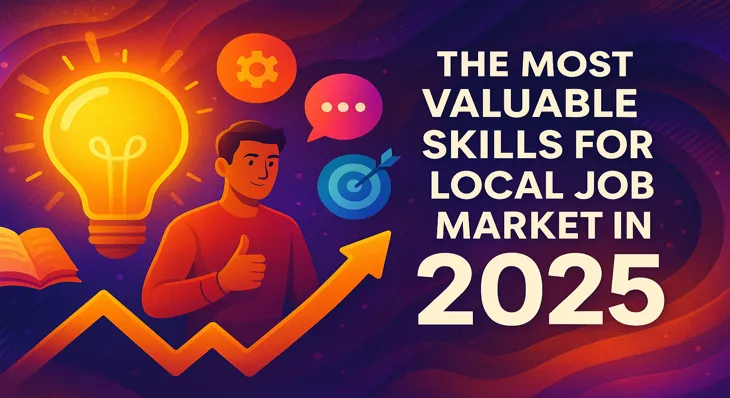
The Most Valuable Skills for the Local Job Market in 2026
The local job market is changing faster than ever. Businesses are adapting to new technology, customer expectations, and economic shifts. As a result, employers are no longer hiring only based on degrees or years of experience. They are actively seeking people who can solve problems, communicate effectively, and keep pace with modern workplace demands. In 2026, the most valuable skills for local job markets will go beyond traditional qualifications. Whether someone is applying for a retail role, a digital marketing position, a healthcare job, or a skilled trade opportunity, employers want practical abilities that create immediate value. For job seekers, understanding these in-demand skills can make the difference between struggling to find opportunities and building a stable, rewarding career. This guide explores the top skills local employers are expected to prioritize in 2026, why they matter, and how individuals can develop them to stay competitive.Why Skill-Based Hiring Is Growing in 2026
Across industries, companies are shifting toward skill-based hiring. Instead of focusing only on academic credentials, employers now care more about what candidates can actually do. Small businesses, startups, and local organizations often need employees who can adapt quickly, manage multiple responsibilities, and learn on the job. This trend is especially visible in industries such as:- Healthcare
- Retail and eCommerce
- Hospitality
- Construction and skilled trades
- Customer service
- Digital marketing
- Logistics and delivery services
- IT support and technology
Digital Literacy Will Be Essential in Every Industry
One of the most important job market skills in 2026 will be digital literacy. Even jobs that were once completely offline now require basic knowledge of technology. Employers expect workers to understand digital platforms, communication tools, and online workflows. This does not mean everyone needs to become a software developer. However, basic digital confidence is becoming essential for nearly every role.Important Digital Skills Employers Want
Some of the most valuable digital skills include:- Using workplace software and productivity tools
- Managing online communication platforms
- Understanding basic cybersecurity practices
- Working with spreadsheets and data
- Navigating cloud-based systems
- Using AI-powered workplace tools responsibly
Communication Skills Will Continue to Drive Career Growth
Technology may be evolving, but strong communication remains one of the most valuable professional skills. Local businesses depend heavily on teamwork and customer interaction. Employees who can communicate clearly often improve workplace productivity and customer satisfaction.Types of Communication Skills Employers Value
In 2026, employers are expected to prioritize candidates who can:- Speak confidently with customers and clients
- Write professional emails and messages
- Handle workplace conflicts respectfully
- Explain ideas clearly to team members
- Listen actively during conversations
- Adapt communication styles to different situations
Problem-Solving Skills Will Become More Important
Businesses want employees who can think independently and solve issues without constant supervision. As workplaces become faster-paced, problem-solving skills are becoming a major hiring priority. Employers value people who stay calm under pressure and focus on practical solutions.Real-Life Example of Problem-Solving at Work
Imagine a delivery coordinator discovers that a shipment will arrive late due to weather conditions. Instead of waiting for instructions, they immediately contact customers, adjust delivery schedules, and coordinate with the warehouse team. This kind of proactive thinking saves time, protects customer relationships, and shows leadership potential.Key Problem-Solving Abilities
Employers often look for candidates who can:- Identify issues quickly
- Analyze situations logically
- Make informed decisions
- Adapt to unexpected challenges
- Suggest practical improvements
Adaptability Will Be a Major Competitive Advantage
The workplace in 2026 will continue to evolve rapidly. Companies need workers who can adapt to changing systems, customer expectations, and technologies. Employees who resist change may struggle in competitive industries. On the other hand, adaptable professionals are often seen as valuable long-term assets.Why Employers Value Adaptability
Businesses face constant changes such as:- New software systems
- Remote or hybrid work environments
- Changing customer behaviors
- Industry regulations
- Economic fluctuations
Customer Service Skills Will Remain Highly Valuable
Even in highly technical industries, customer service skills continue to matter. Local businesses survive through customer relationships and community trust. Employees who provide positive experiences can directly influence business growth.Essential Customer Service Skills for 2026
The best customer-focused employees typically demonstrate:- Patience
- Empathy
- Clear communication
- Conflict resolution
- Professionalism
- Fast response times
Skilled Trades Will Continue to Offer Strong Career Opportunities
While many people focus on digital careers, skilled trades remain some of the most in-demand local jobs. Electricians, plumbers, HVAC technicians, mechanics, and construction professionals are expected to remain essential in 2026.Why Skilled Trades Are Growing
Several factors are increasing the demand for skilled workers:- Aging workforce in trade industries
- Infrastructure development projects
- Growing housing demand
- Shortage of trained professionals
- Increased focus on energy-efficient systems
Valuable Trade Skills Employers Look For
Trade employers often prioritize:- Technical knowledge
- Safety awareness
- Time management
- Attention to detail
- Physical stamina
- Problem-solving abilities
AI and Automation Awareness Will Matter More
Artificial intelligence is changing how businesses operate, even at the local level. However, AI is not simply replacing workers. Instead, it is creating demand for employees who know how to work alongside technology.Practical AI Skills for Everyday Jobs
In 2026, employers may expect workers to understand:- Basic AI-powered software tools
- Automated scheduling systems
- AI content and productivity platforms
- Data interpretation
- Responsible use of workplace AI tools
Time Management and Organization Skills Are Critical
Employers value reliable workers who can manage responsibilities effectively. In local businesses, especially smaller companies, employees often handle multiple tasks at once. Good time management improves productivity and reduces workplace stress.Important Organizational Skills
Strong organizational skills include:- Prioritizing tasks effectively
- Meeting deadlines consistently
- Managing schedules responsibly
- Maintaining accurate records
- Staying focused during busy periods
Emotional Intelligence Will Influence Hiring Decisions
Emotional intelligence is becoming one of the most valuable workplace skills. This skill involves understanding emotions, managing reactions, and building positive relationships with others.Why Emotional Intelligence Matters
Employees with strong emotional intelligence usually:- Handle stress calmly
- Work well in teams
- Respond professionally to criticism
- Build trust with customers and coworkers
- Show empathy during difficult situations
Data and Analytical Skills Are Expanding Beyond Tech Jobs
Businesses now rely heavily on data to make decisions. Even local companies use customer insights, sales reports, and performance tracking tools. Because of this, basic analytical skills are becoming valuable across many industries.Examples of Analytical Skills in the Workplace
Employees may need to:- Interpret sales reports
- Track customer behavior
- Monitor inventory trends
- Analyze marketing performance
- Use spreadsheets for reporting
Leadership Skills Are Valuable at Every Career Level
Leadership is no longer limited to managers. Employers appreciate workers who take initiative, support teammates, and contribute positively to workplace culture.Signs of Strong Leadership Skills
Leadership qualities include:- Accountability
- Decision-making
- Motivation
- Team collaboration
- Initiative
- Dependability
How to Build In-Demand Skills for 2026
The good news is that many valuable skills can be developed without expensive degrees. People can improve their career opportunities through:- Online courses
- Certifications
- Apprenticeships
- Volunteer work
- Freelance projects
- Internships
- Hands-on practice