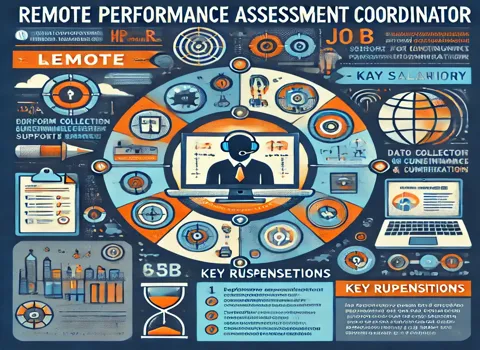
Remote Performance Assessment Coordinator
Taking on a new role is always a big step. And when it’s remote, the dynamics change even more. That’s why this opportunity as a
Remote Performance Assessment Coordinator isn’t just another checkbox in HR—it’s about driving impact, shaping how teams grow, and making sure every person feels valued while working from anywhere.
Why the Remote Performance Assessment Coordinator Role Matters
Remote work can be freeing—but it can also be tricky. People don’t sit next to each other anymore. You can’t just walk over to check progress or casually ask how things are going. That’s where this role makes all the difference.
As the Remote Performance Assessment Coordinator, you’ll guide employee performance evaluation, streamline the performance review process, and help teams see where they shine and where they need extra support. You’ll make sure progress feels personal and actionable.
For example, one teammate once shared that structured check-ins helped her finally feel seen after months of uncertainty. That’s the power of consistent feedback.
You’ll take the numbers off the spreadsheet and turn them into stories people can actually use to grow.
Core Responsibilities Driving Remote Team Success
Making the Performance Review Process Continuous and Human
Instead of making performance reviews a dreaded annual event, you’ll keep the process ongoing. Using a competency assessment framework, you’ll help teams see their progress clearly, step by step. Ever been in a meeting where nobody really knows what the results mean? You’ll make sure that doesn’t happen.
You may also draw on industry practices, such as 360-degree reviews or continuous feedback models, to make the process smoother and fairer.
Strengthening Remote Team Collaboration and Connection
Managing remote teams isn’t about tracking logins or hours—it’s about making collaboration feel natural across time zones. You’ll bring structure through digital performance tracking tools and foster a culture of continuous feedback that keeps people connected and engaged.
Bringing Performance Data to Life Through Storytelling
KPI tracking matters—but what matters more is helping people act on those insights. Imagine sitting with a team and saying, “Here’s what you nailed this week, and here’s one tweak that could make an even bigger impact.” That’s how you’ll make the numbers click for people.
Supporting Staff Growth With Practical Improvement Plans
It’s not just about pointing out problems. That might mean setting sharper weekly goals or giving someone the confidence to step into a leadership role. Growth plans will provide employees with the confidence to step up—whether it’s leading a first project or mentoring a teammate.
Measuring Success in Remote Performance Coordination
When you step into this role, success won’t be measured by endless spreadsheets. Instead, it’ll show in fundamental ways:
- Teams feel their voices are heard during reviews.
- Leaders get reports they can actually use for decisions.
- Continuous performance feedback becomes part of everyday culture.
- Employee engagement strategies drive stronger participation.
- People see evaluations as stepping stones, not obstacles.
Tools and Systems for Remote Performance Management
You won’t be doing this alone. From virtual collaboration platforms to HR performance management software, you’ll have solid tools at your fingertips. And yes, you’ll help choose and refine those tools too. Because sometimes the right system is what keeps everything moving smoothly.
Challenges You’ll Solve in Remote Performance Management
Remote roles come with quirks. Let’s be honest:
- Time zones clash. Not everyone is awake at the same time. You’ll need patience and intelligent scheduling.
- Feedback can feel cold online. You’ll work on making digital feedback feel as warm as face-to-face talks.
- Data overload. With so much information coming in, you’ll balance what matters most.
And the best part? You won’t just manage these challenges—you’ll flip them into advantages that keep the team moving forward.
Sample Workweek as a Remote Performance Assessment Coordinator
Wondering what your days might look like? Picture this:
- Monday: Kick things off with a quick sync using virtual collaboration platforms. Everyone sets clear goals for the week.
- Tuesday: Dive into team performance reporting. Spot trends and highlight wins.
- Wednesday: Host one-on-one sessions. Discuss progress, struggles, and next steps—keep it genuine and personal.
- Thursday: Work on organizational development support. That might mean refining a process or drafting a growth plan.
- Friday: Share a summary with leaders—short, simple, and easy to act on. Wrap up the week with positivity.
See how this isn’t just about numbers? It’s about people, rhythm, and growth.
Core Skills for Excelling in Remote Performance Assessment
- A knack for listening and turning feedback into action.
- Striking a balance between comfort with HR performance metrics and maintaining the human touch.
- Experience with performance management systems or digital tracking tools.
- Ability to run workplace productivity analysis and apply remote workforce performance metrics in practical ways.
- Empathy to support employee engagement strategies while fostering a continuous feedback culture.
Remote Work Culture, Employee Engagement, and Benefits
It’s not just about the salary—though at
$60,461 annually, you’ll be rewarded fairly. It’s also about the way we work:
- Flexibility so you can build a rhythm that works for you.
- Talent development strategies that fit into your day.
- Team celebrations for wins, both big and small.
Employees often tell us it’s the small things—like weekly huddles—that make them feel connected. We also support virtual employee development through continuous learning opportunities. Remote team collaboration here means more than meetings; it’s casual hangouts, quick check-ins, and honest conversations. You’ll never feel like just a name on a screen.
Career Growth Opportunities in Remote Performance Management
This role isn’t about staying static. As the company grows, so does your path. Career growth opportunities could include:
- Leading a bigger team of coordinators or analysts.
- Designing new systems that redefine the performance review process.
- Creating frameworks that shape how remote teams thrive long-term.
You’ll translate numbers into insights that teams can actually use. You’ll make evaluation opportunities instead of hurdles.
That’s the kind of change people notice—and why this role feels meaningful.
Why This Remote Coordinator Role Is Worth It
This role is more than just a title. As a
Remote Performance Assessment Coordinator, you’ll shape how people experience growth, feedback, and connection in a remote world. You’ll bridge gaps, make sure progress feels personal, and create systems that serve both teams and leaders.
So if you’ve been waiting for a role where numbers meet people, where remote work feels human, and where you can actually see the impact of your efforts—this is it.
Ready to step up? Let’s make performance reviews something people actually look forward to instead of something they avoid.